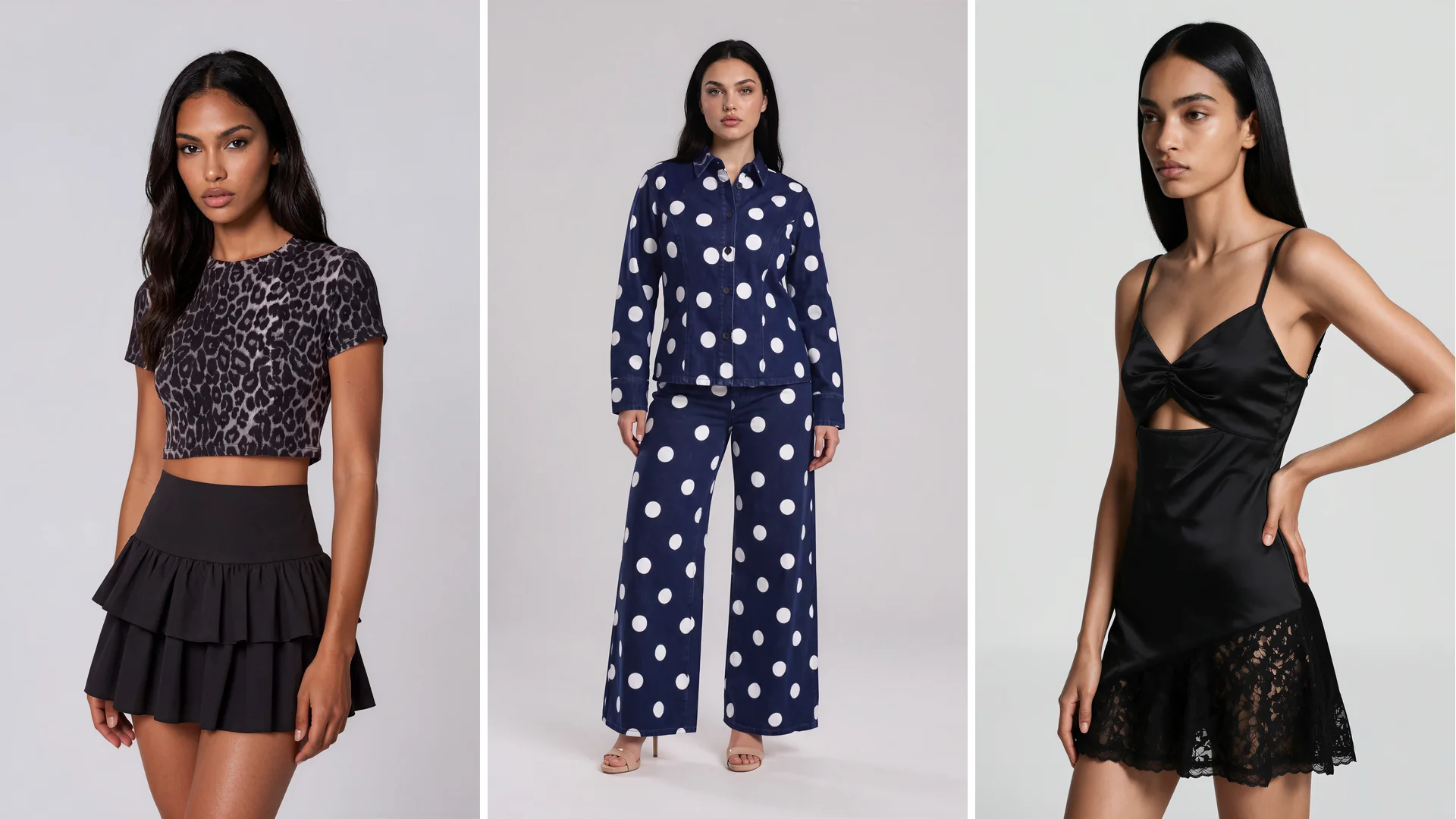
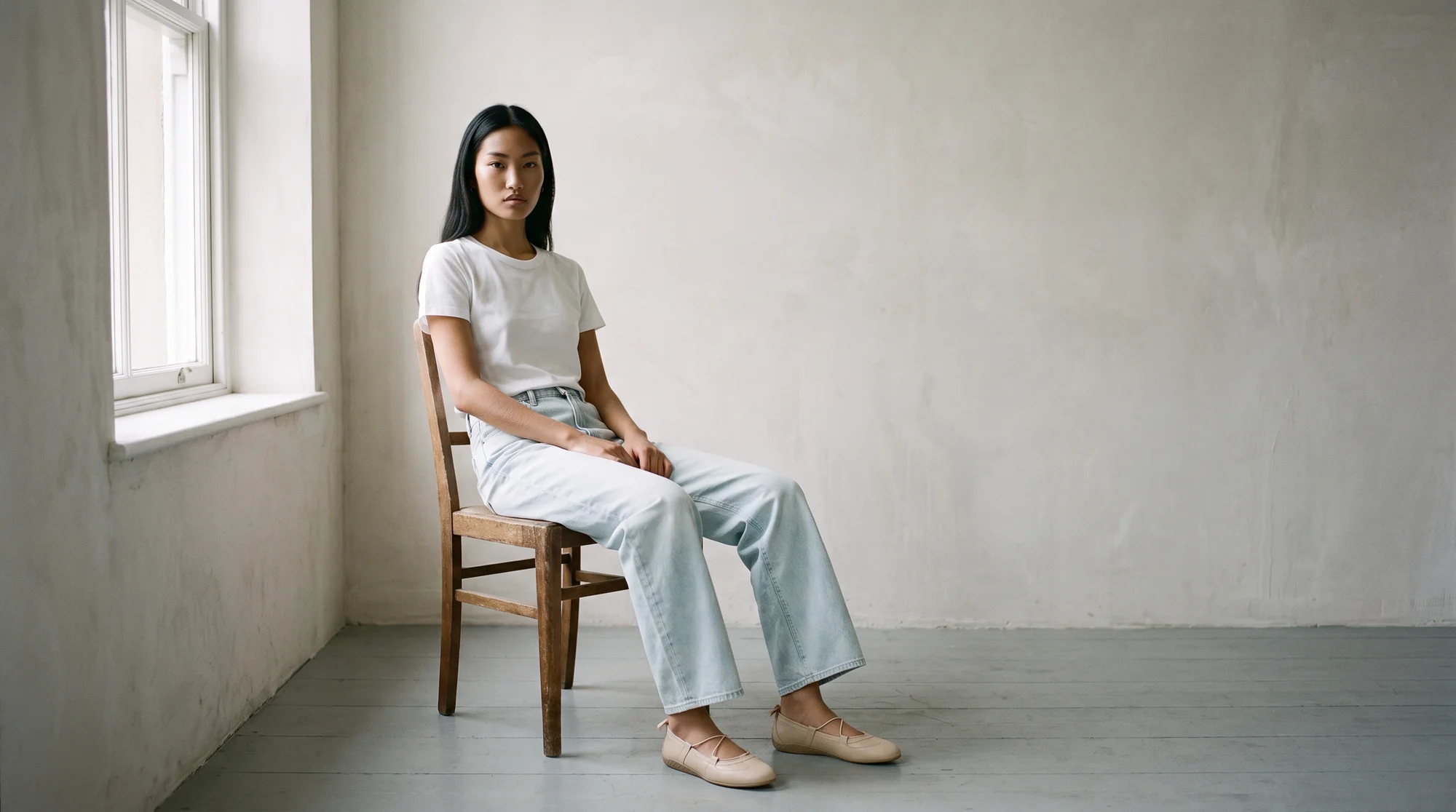
AI generated models vs real models for lookbooks
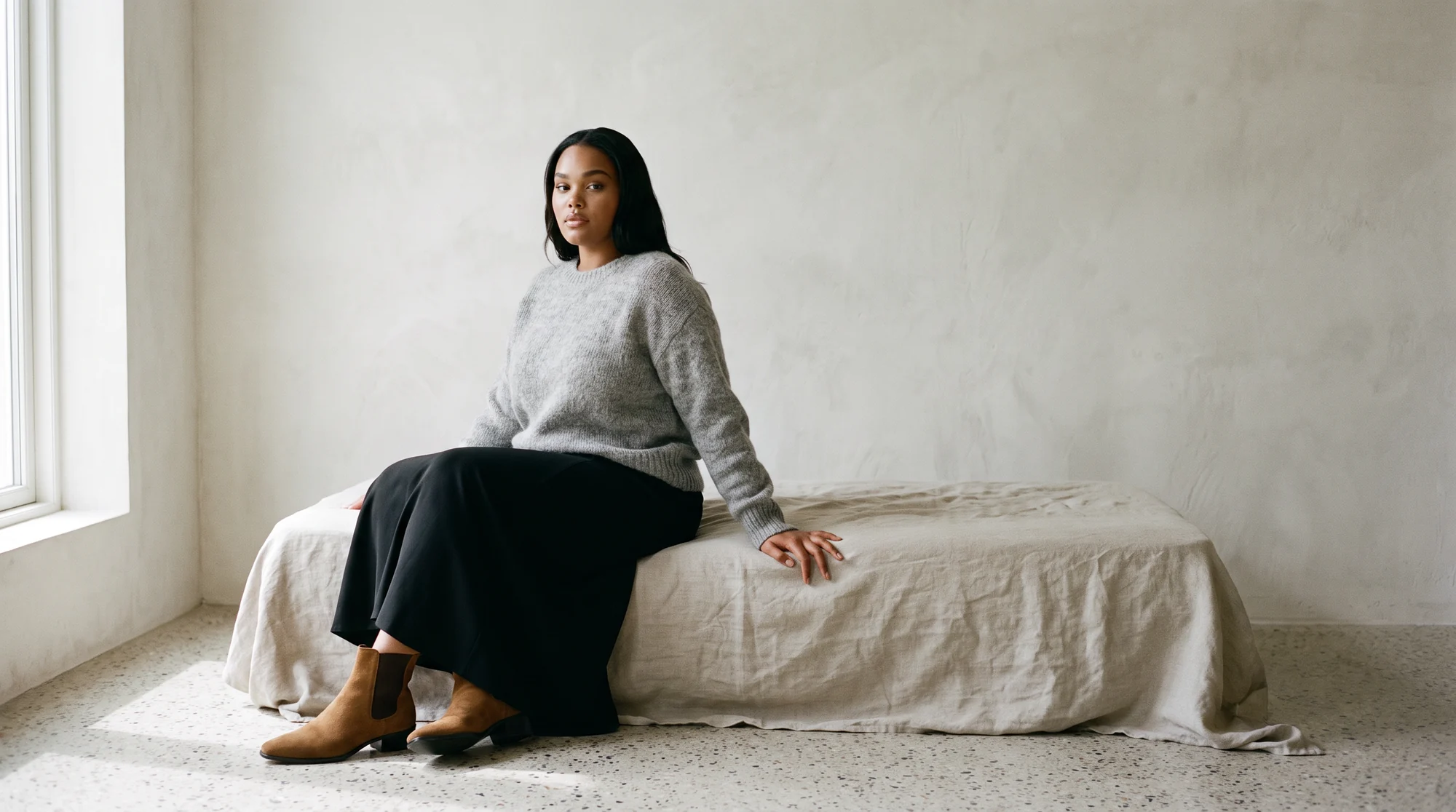
A lookbook is the first thing a buyer, a stylist or a new customer sees of a collection, and it has to make a case in a few seconds. For years that meant a shoot: a location, a cast, a photographer and a long list of looks to get through in a day.
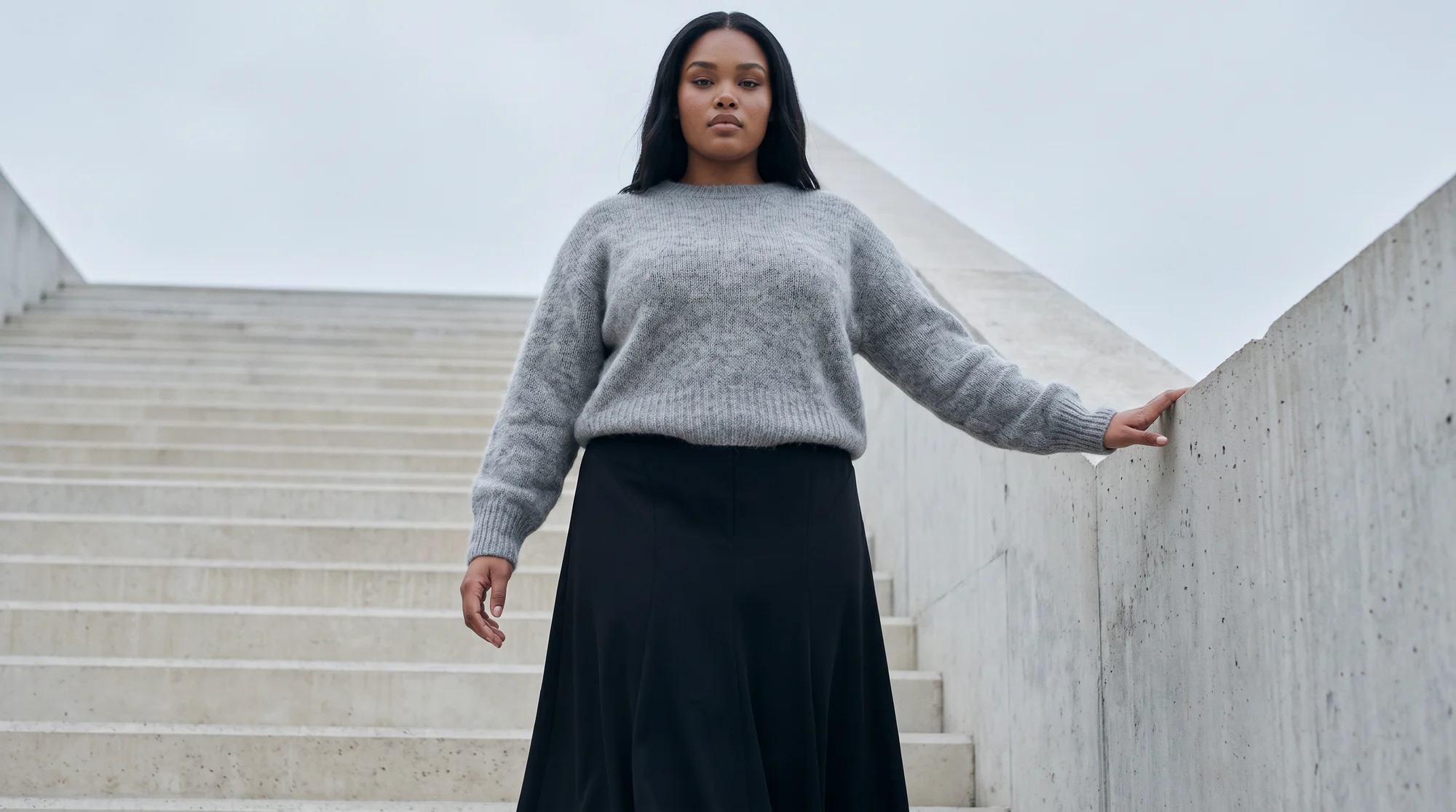
Now the cast can be synthetic. AI generated models can wear your real garments in a chosen setting, in any number of looks, without the booking. Real models still bring things no software does. The useful question is which one each lookbook needs.
The choice between AI generated models and real models for lookbooks comes down to what the lookbook is for: a real model suits a lookbook built around a person, a place or a moment, while an AI model suits one built around range, consistency and speed.
This guide compares the two across eight dimensions, covers consent and disclosure, and shows how brands combine them.
What a lookbook is for
A lookbook is a compilation of photographs that showcases a clothing line, its styling and its models, usually as finished outfits rather than separate garments. It is built for buyers, press and customers, and its job is mood and styling as much as product detail.
That separates it from a product page, which needs accuracy and consistency, and from a campaign, which needs a hero idea. A lookbook sits between them. It needs a point of view, but it also needs to cover a whole range.
That second need is where the cast matters most.
A lookbook also travels. It goes into a buyer deck, onto the site, into an email and onto social feeds, so the same images have to work in several places and at several sizes. Consistency across all of them is part of the job.
Where real models are the better choice
A real model brings presence. Expression, movement, the way a person interacts with a place: these are what make an image feel unrepeatable, and they are hard to fake.
If the lookbook is built around a person, a location or a story, such as a founder, a hometown or a trip, a real shoot carries it. The same goes for a collection where movement is the product, like dance wear, outerwear in weather or anything designed to be photographed in action.
It is also the right route when a model's own audience is part of the value. A recognisable face brings a following that no gallery model will.
Where AI generated models are the better choice
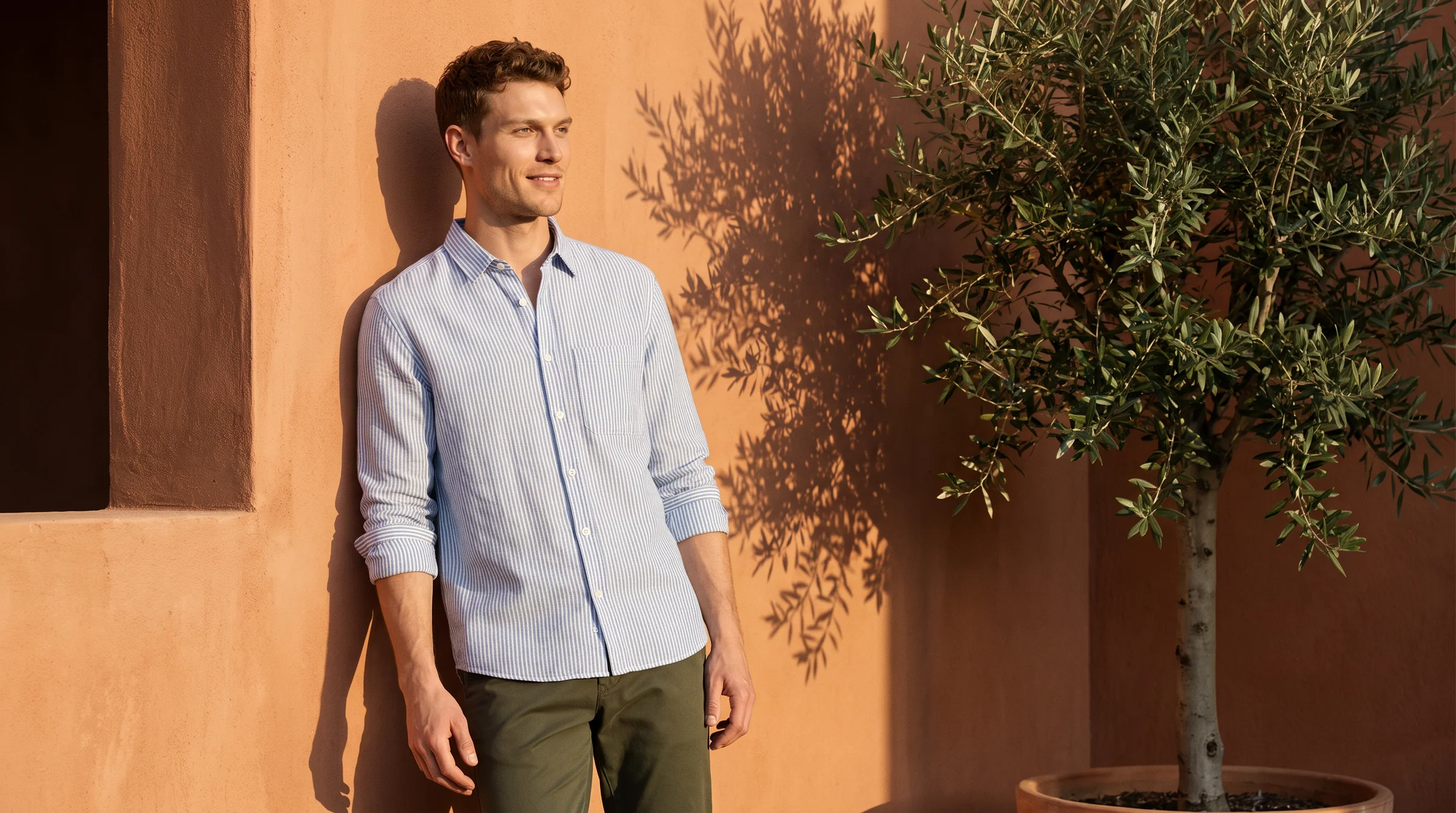
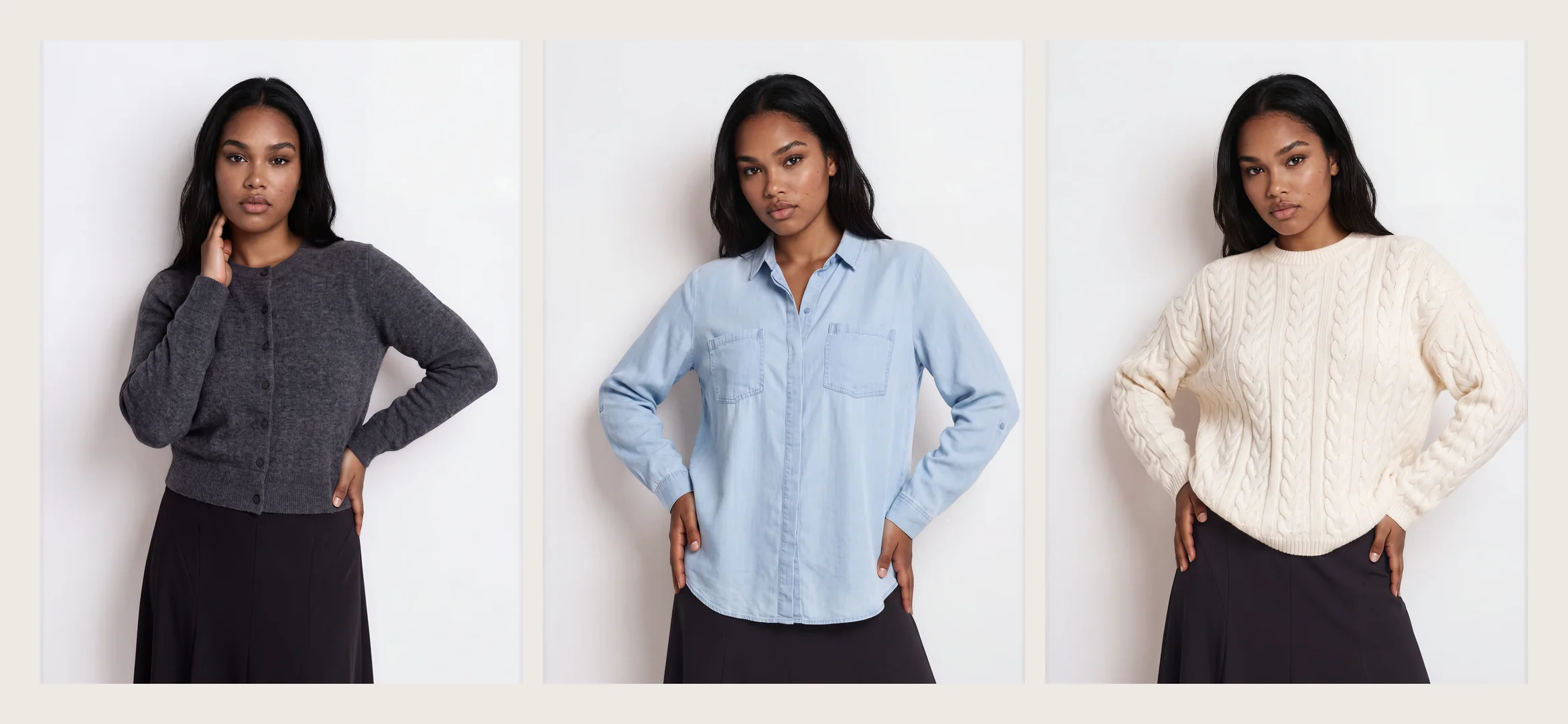
AI models shine when the lookbook is about range. Putting thirty looks on one consistent model, in one consistent setting, across the whole collection, is exactly what a shoot day struggles to do.
They also help before the collection is finished. Buyers and press often need to see a range when only samples exist, and a lookbook made from sample photos can be ready while production is still running.
And they make casting flexible. The same looks can be shown on different models for different markets, without a second production. Our guides to AI lookbooks for fashion collections and AI fashion campaign imagery show how that works in practice.
Eight dimensions to compare
When you weigh the two, these are the points that tend to decide it.
1. Look and feel
Real shoots capture natural movement and expression. AI models give a controlled, polished look. Decide which one the collection's story needs.
2. Garment accuracy
With a real model the garment is the real garment. With AI, it depends on the platform. Botika starts from your own garment photo, so the product in the image is always the real one.
3. Speed
A shoot has to be scheduled, produced and edited. AI images from existing photos arrive in minutes. At Botika, processing takes about 15 minutes per photo.
4. Consistency
One AI model can appear in every look, in the same light. A real shoot achieves this within a day but not across seasons.
5. Range and casting
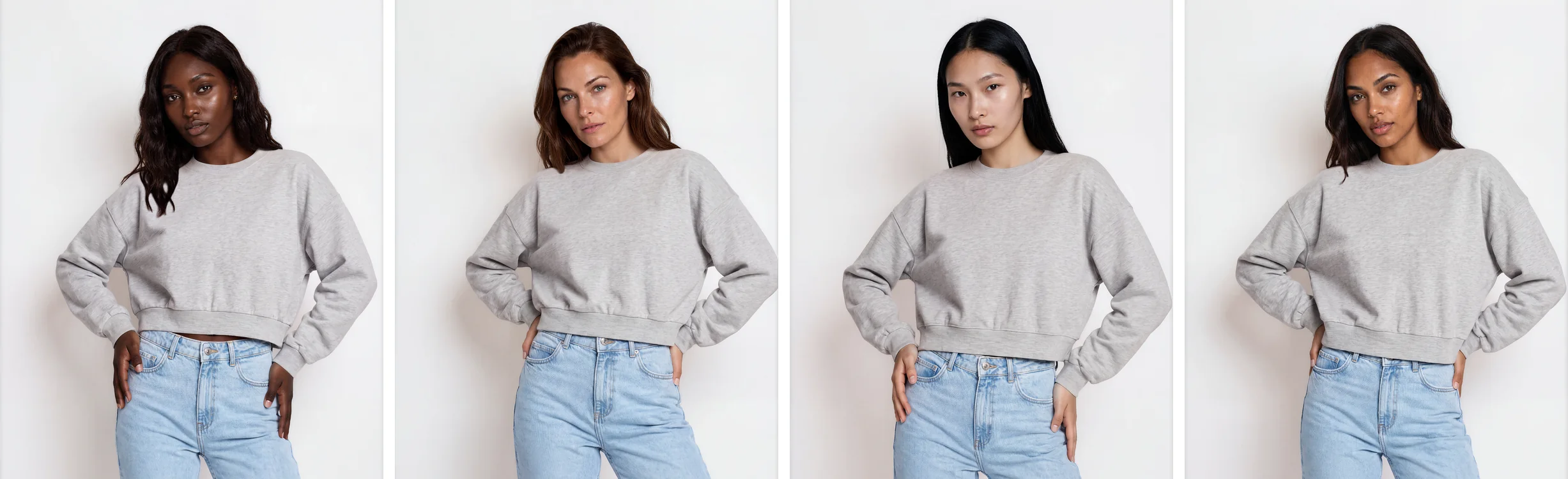
A gallery of 150+ fully synthetic models lets you show a collection on different ages, builds and ethnicities. A real shoot is limited to who is booked.
6. Consent and rights
Real models sign releases. AI models are synthetic, with no real person behind a gallery model. Where a digital twin of a real person is used, consent matters, and we cover it below.
7. Disclosure
Readers and customers care whether images are real. Decide how you will say so, and say it clearly.
8. Cost structure
A shoot is a fixed cost for a day. AI images are paid per image as you make them. Compare cost per finished look, not cost per day.
A quick rule of thumb: if the lookbook is about a story, shoot it. If it is about coverage, consistency and speed, make it with AI models. If it is both, do both and make them match.
Consent and disclosure are part of the choice
If a brand uses an AI replica of a real person, the terms matter. When H&M announced digital twins of 30 models, it said the models had given permission, kept control over use of their replicas and were paid as they would be for photographs, with the first images watermarked as AI-generated. That is a useful template for any brand working with a person's likeness.
Disclosure deserves the same care. When a fashion advertisement with AI-generated models ran with only a footnote disclosing it, readers and image professionals criticised the publication on social media. The lesson is simple: tell people up front.
With gallery models there is no real person to consent, but the disclosure principle still applies. Our guide to custom AI fashion models and digital twins covers the consent side in more detail.
How brands combine them, step by step
The most common pattern is a split. A real shoot produces the hero looks that carry the story, and AI models cover the rest of the range in the same visual language.
To make the two feel like one lookbook, match the light, the framing and the palette. Choose an AI model whose look suits the real cast, and keep backgrounds consistent across both.
Start with clean photos of every garment: flat lays, ghost mannequin shots or existing on-model images, steamed and evenly lit. Botika works from all three, including cropped and headless photos.
Choose one model and settle the direction before you generate: the pose, the framing and the setting. Botika lets you pick a model from the gallery, a pose, and a background from clean studio to bold or on-location, rather than writing prompts.
Generate a pilot set of five looks and review each image at full size next to the real garment. On managed accounts, Botika Creative Ops reviews and retouches every visual before it goes live.
When the pilot passes, run the rest of the collection with the same settings so the looks read as one set. Add the images to a page, a deck and a line sheet, and you have a lookbook in the time a shoot would take to book.
Common questions about AI generated models and real models for lookbooks
Can AI generated models replace real models in a lookbook?
For many lookbooks, yes, especially those built around range and consistency. For lookbooks built around a person, a place or movement, real models remain the better fit. Many brands use both.
Are AI generated models allowed in fashion advertising?
Generally yes, with growing expectations about transparency. Disclose clearly, and where a real person's likeness is involved, get explicit consent and agree terms for compensation and use.
Will my garments look accurate on an AI model?
At Botika the image starts from your own garment photo, so fabric, colour and construction come from the real product. Always review each image at full size before publishing.
Can I use the same AI model across my whole collection?
Yes. Choose a gallery model once and reuse it, or license a custom model that belongs only to your brand.
Do I need a photoshoot to make an AI lookbook?
No new shoot is needed, but you do need a photo of each garment, such as a flat lay, a ghost mannequin shot or an existing on-model image.
How should I label AI models in a lookbook?
State it plainly where the images appear, in the captions or on the page, instead of burying it in small print. Clear labelling builds trust.
Where this is heading
Lookbooks are moving from a single event to something that can be refreshed whenever the range changes. The brands that benefit most keep one consistent look and add real people where a story needs them.
See the model gallery, read our guide to AI female fashion models or AI male models, or start with a free trial.