AI Mannequin Generator: From Mannequin Shot to On-Model
Ghost mannequin photography solved a real problem. It shows the shape of a garment, holds the shoulders and the neckline, and it can be shot in volume without booking anyone.
It also leaves a gap that every apparel merchandiser knows. A hollow garment shows construction, but it does not show how a piece falls on a person, and that is the thing a shopper is actually trying to judge.
An AI mannequin generator closes that gap by taking a mannequin or ghost mannequin photograph and producing the same garment worn by a model. The shape you shot is preserved, and the body is added.
For brands that already shoot on mannequins, this is the shortest route to on-model imagery that exists, because the source material is already in the library.
Why mannequin libraries are the easiest place to start
A mannequin shot is close to an ideal input. The garment is already on a three dimensional form, the shoulders sit correctly, and the drape is real rather than arranged flat.
That gives the conversion step far more to work with than a flat lay does. Sleeve position, neckline shape and the way a hem hangs are all already resolved in the source.
It also means no new photography. Most brands shooting mannequins have years of consistent frames, shot to the same standard, sitting in a DAM and doing nothing beyond the original listing.
Converting that archive is a coverage exercise rather than a production one, which is a very different budget conversation.
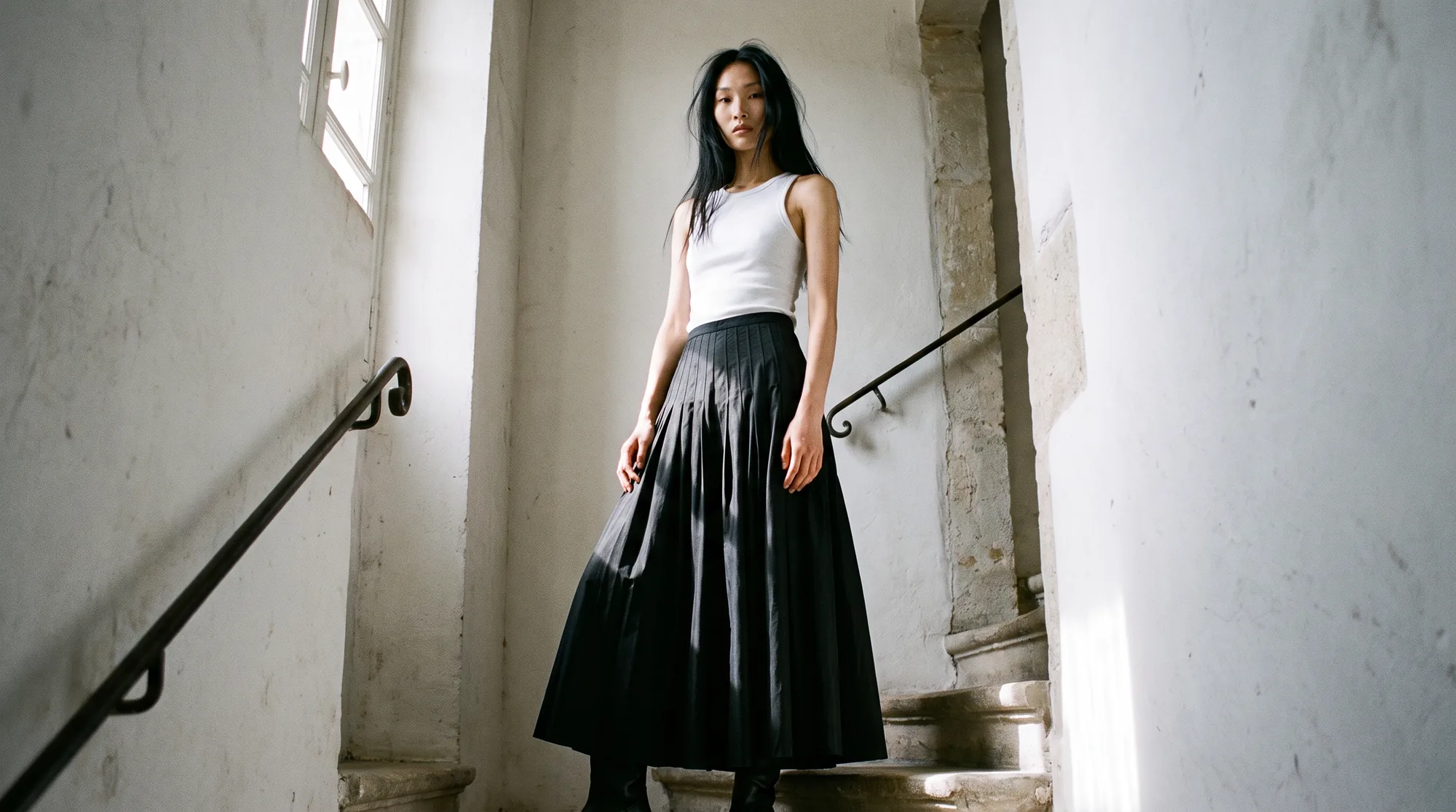
What the conversion has to preserve
1. The silhouette you shot
The reason to shoot on a mannequin is the shape. If the conversion reinterprets the cut, the original shoot was wasted.
2. Print scale and placement
A repeat that sits at the wrong interval, or a placement print that migrates across a chest, is the most visible failure on a patterned garment.
3. Hardware and trims
Zip pulls, buttons and branded trims are small on screen and specific in reality. Generic replacements are a common and costly shortcut.
4. Colour under a real light
The garment has to read as the same colour it was photographed in. Colour drift between the listing image and the parcel is a straightforward returns driver.
5. A believable body inside the shape
The added model has to fill the garment the way a person would, with the shoulders and the waist landing where the mannequin put them.
6. Consistency across the archive
An archive converted over weeks has to look like one set, which is the property that separates a pipeline from a prompt.
Where this fits against a live shoot
Mannequin photography and on-model photography have never really been alternatives. Most brands do both, with the mannequin covering the range and the model covering the hero styles.
Conversion changes the ratio. The mannequin shoot stays as the capture step, and the on-model layer stops being rationed by studio hours.
Practically that means one capture process feeding two outputs. The ghost mannequin image still does its job on the listing, and the converted on-model frame carries the page.
Shopify's own guide to product photography is a reasonable baseline for the capture side, and the standards it describes are exactly the ones that make a source image convert well.
Getting the capture right so the conversion works
This is where most of the outcome is decided, and it costs nothing to fix.
Dress the mannequin properly. Pin the back so the garment sits as it would on a body, and make sure the shoulders are seated rather than bunched, because the conversion inherits whatever the mannequin was doing.
Light it evenly and avoid hard shadows across a print. Shadow across a pattern makes the repeat ambiguous, and ambiguity is where reinterpretation starts.
Shoot the full garment in frame, square to the camera, with nothing cropped at the edges. A front and a back frame is materially better than a front alone.
Keep the file quality high on the way in. It is worth remembering how much of page performance rides on images, a point Smashing Magazine covers well, so start from a good original and compress once at the end rather than working from something already degraded.
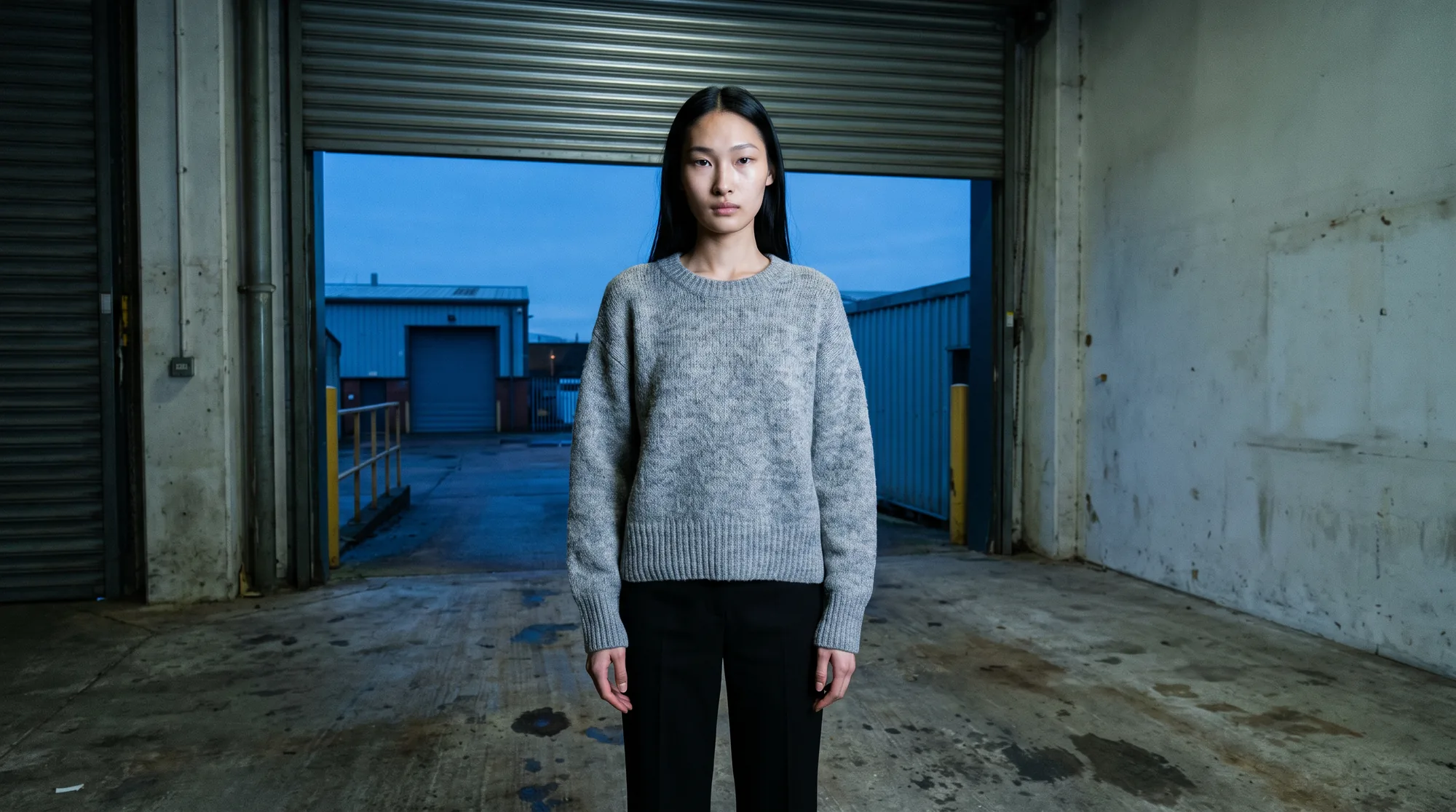
What this is worth at catalogue scale
Online apparel is not a marginal channel any more. US Census retail ecommerce figures, published quarterly, show ecommerce holding a substantial and growing share of total retail sales.
Which means the product page is the shop floor for most ranges, and a hollow garment is a weaker sales assistant than a worn one.
The compounding effect is in the tail. Converting a hundred archived mannequin shots costs the same per image as converting five, and the hundred is where the unclaimed revenue sits.
Botika runs conversion through one pipeline with a fashion-trained QA and retouching team reviewing output before it reaches you, which is what keeps an archive-wide conversion looking like a single set rather than a hundred separate decisions.
Common questions about AI mannequin generators
What is an AI mannequin generator?
It is a tool that takes a mannequin or ghost mannequin photograph of a garment and produces the same garment worn by a model. The silhouette from the original shot is preserved and a body is added inside it.
Does it work with ghost mannequin images?
Yes, and those are among the best inputs available. A ghost mannequin frame already carries the shape and drape, which gives the conversion more to work with than a flat lay does.
Do I have to re-shoot anything?
No. An existing mannequin archive can be converted as it stands, which is why brands already shooting this way see a result faster than brands starting from flat lays.
Will the garment shape change?
It should not, and that is the point of starting from a mannequin. Preserving the silhouette you actually shot is the core requirement, so compare the converted image against the original at full size.
Can I choose the model?
Yes. Casting, pose and setting are selected rather than booked, so the same garment can be shown across different body types and ages without another shoot.
Is a mannequin shot better than a flat lay as a source?
Usually. A flat lay works, but a mannequin frame resolves drape and shoulder position in advance, so there is less for the process to infer.
Where this is heading
The mannequin is not going anywhere. It is quietly becoming a capture device rather than a final image, which is a more useful role for it.
The brands getting the most out of this are the ones treating their existing archive as an asset rather than a historical record, because the conversion cost of an old frame is the same as a new one.
If you already shoot on mannequins, start there. Ghost mannequin conversion is the direct route, the model range is worth checking against your customer first, and per-image pricing makes more sense once you have converted a real batch.