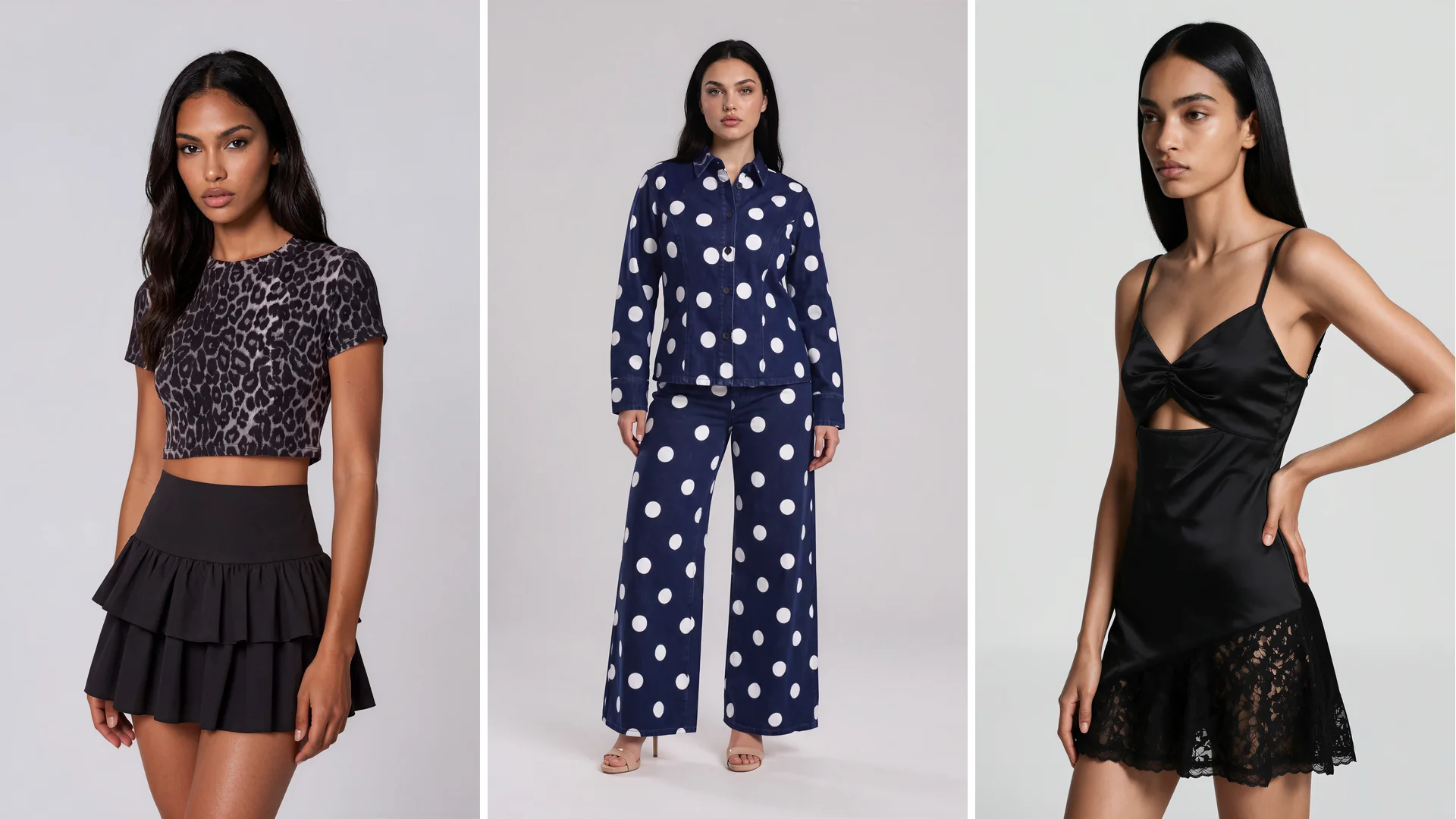
AI lookbook: Build a full collection lookbook without a shoot
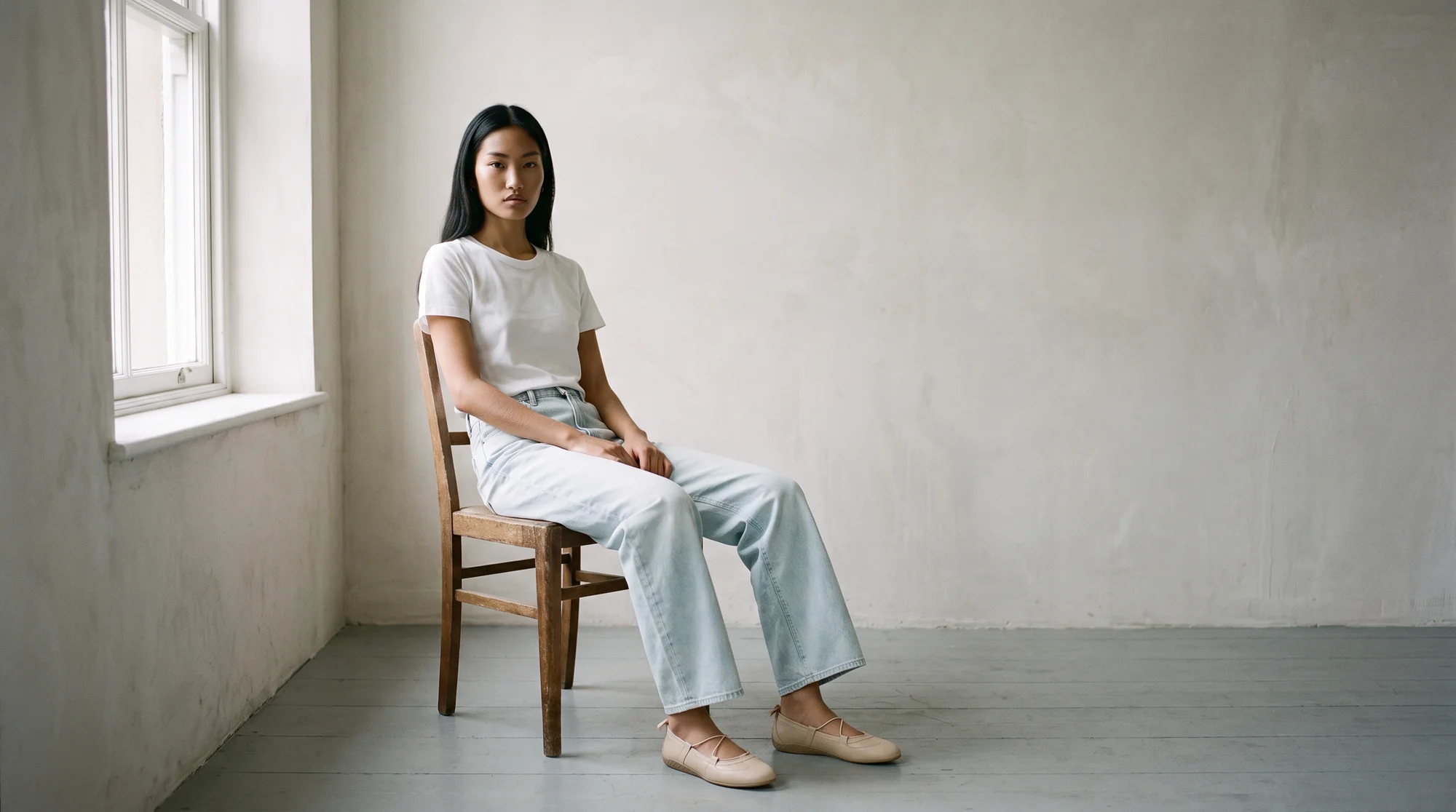
A lookbook used to be a production. A location, a model, a photographer, a stylist, two days, and a budget line that made you choose which twelve pieces out of forty were worth it.
That is what an AI lookbook removes. You start from the product photography you already have, choose the models and the setting, and generate a full set of styled on-model images without booking anything.
An AI lookbook is a coherent set of on-model images across a collection, generated from existing garment photos rather than shot. The point is not one striking picture. It is thirty images that look like they came from the same day.
This guide covers what makes a generated lookbook hold together, how to build one, and where it fits alongside the shoots you still want to run.
Consistency is the whole job
Anyone can generate one good image. A lookbook lives or dies on whether image twenty-nine looks like it belongs beside image one.
Four things have to stay locked across the set: the lighting, the setting, the model roster, and the framing logic. Drift in any of them and the collection reads as a folder of unrelated pictures.
This is where generated lookbooks actually have an advantage over shoots. A real shoot loses the light as the afternoon moves. A generated set does not, as long as you fix the parameters before you scale rather than after.
So the discipline is front-loaded. Decide the look once, prove it on five pieces, then apply it across the collection.
It is worth being clear about what consistency is not. It does not mean every image looking identical. A set where nothing changes is boring, and boring does not sell a collection. What has to stay fixed is the world the images live in. What should change is what happens inside it.
How to build one
Start with clean inputs. Every garment needs a sharp, evenly lit source image, a flat lay, packshot, or ghost mannequin shot. The output inherits whatever the input gives it, so this is the step worth being fussy about.
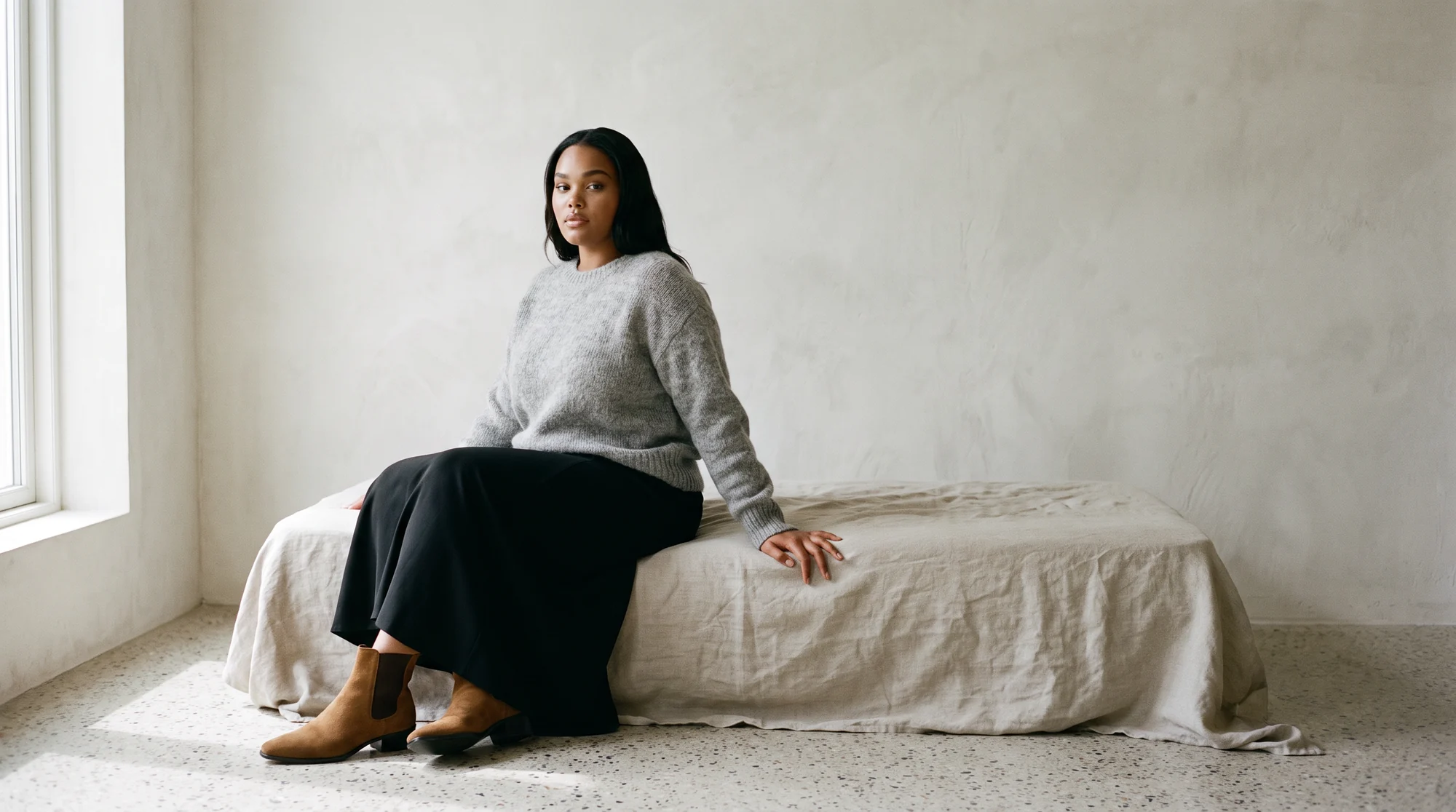
Choose a model set and keep it small. Two or three models across a collection reads as a cast. Twelve reads as an accident.
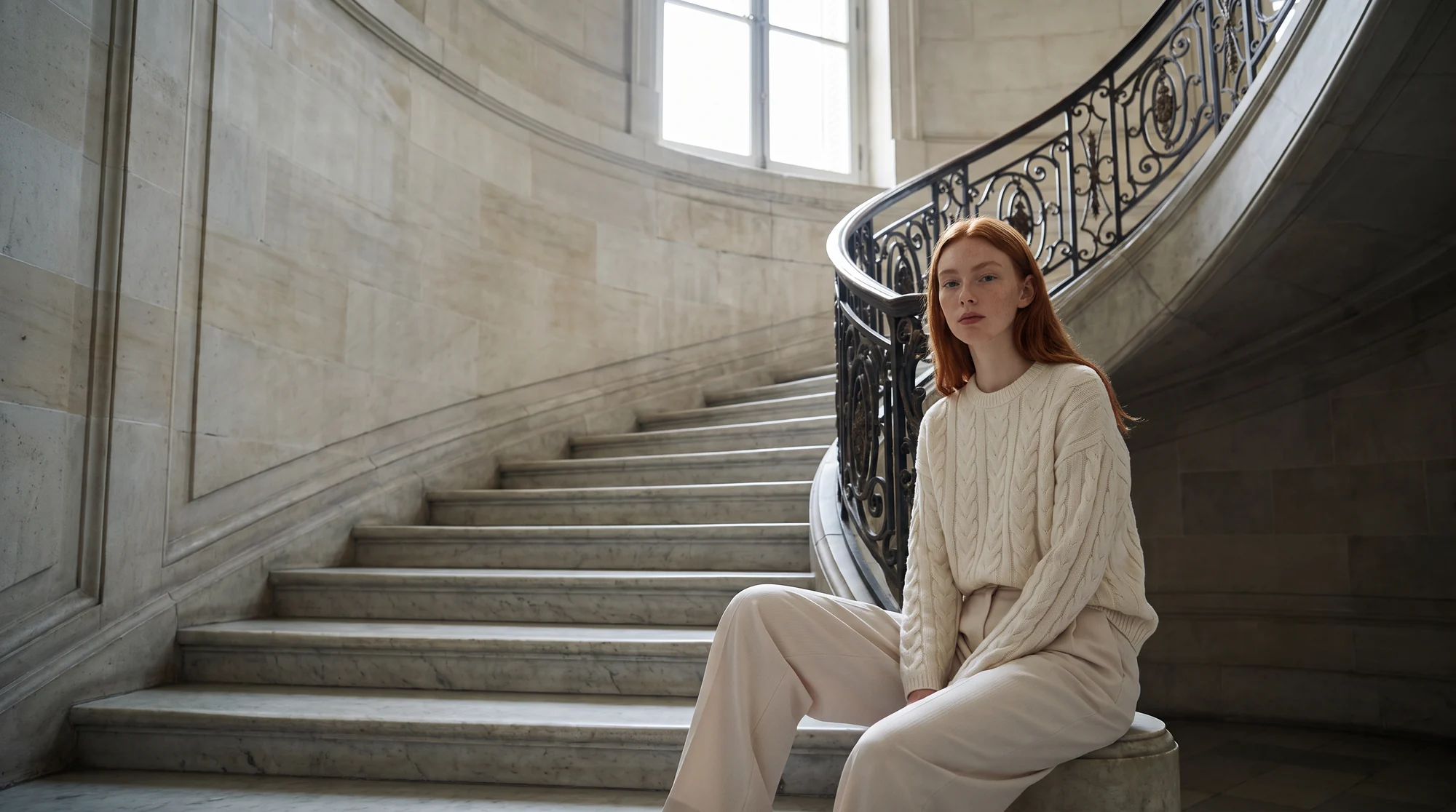
Fix the setting and the light next. A single environment, or two at most, holds a collection together better than a different backdrop per look.
Then let framing follow the garment. Tops sit best as upper-body crops. Dresses, skirts, and trousers need full-body treatment with footwear chosen on purpose, because the silhouette is the point.
Generate a test row of five before committing the range. Look at them side by side, not one at a time. Side by side is how a shopper will see them.
What a lookbook is for, and what it is not
| Product page imagery | Lookbook imagery | Campaign imagery | |
|---|---|---|---|
| Job | Help one shopper decide on one piece | Show how a collection works together | Set the brand mood |
| Priority | Accuracy over atmosphere | Styling and coherence | Atmosphere over completeness |
| Coverage needed | Every SKU | Every look in the collection | A handful of hero pieces |
| Consistency requirement | High, per category | Highest, across the whole set | Lower, one story |
| Generated or shot | Generated works well | Generated works well | Often still a shoot |
A lookbook does a different job from a product page image, and conflating them wastes both.
Product page imagery has to be literal. The shopper is deciding whether to buy this specific piece, so accuracy beats atmosphere.
Lookbook imagery is doing the styling work. It shows how pieces combine, what the collection is about, and who it is for. It feeds wholesale conversations, campaign assets, social, and the editorial slots on your own site. That work pays: across advertising broadly, creative is the single biggest driver of sales lift, ahead of targeting or spend.
Both benefit from the same underlying asset, which is why generating from your real garments is what makes a lookbook usable commercially rather than just pretty. And on the product page side, high-quality product images lead the list of what fashion shoppers say matters most.
The business case, in order
1. The garments stay real
A lookbook that flatters pieces a buyer will not recognise on arrival damages trust with both wholesale and retail. Fabric, print, and fit have to survive the process.
2. Consistency across the set
This is the defining requirement of a lookbook specifically. Thirty images that share a light and a cast, or it is not a lookbook.
3. Coverage of the whole collection
The old constraint was choosing which pieces earned a shoot. Removing that means the full range gets styled treatment, not just the hero styles.
4. AI with a human check
Botika pairs its AI with a QA and retouching team that reviews output before delivery, which matters more here than anywhere, since a lookbook goes out to buyers and press.
5. Cost that does not scale with looks
A traditional lookbook gets more expensive with every additional style. Generating from existing photography breaks that link.
Where shoots still win
Being straight about this makes the rest more credible.
A campaign built on a specific location, a named model, or a particular photographer's eye is a shoot. That is not a gap in the technology, it is a different brief.
Hero imagery for a flagship launch often deserves a real production, and generated imagery can cover the other thirty-eight styles in the same collection.
Most brands land on both: a shoot for the campaign, generated imagery for the range, and the same visual language across the two.
Styling a generated set
The styling decisions matter more than the generation settings, and they are the part teams tend to skip.
Decide what the collection is saying before you generate anything. A lookbook with no point of view is just a catalog with better lighting, and no amount of consistency rescues it.
Group by look rather than by SKU. Shoppers and buyers read outfits, so a set built around six styled combinations lands harder than thirty isolated garments in the same light.
Vary pose and crop deliberately within the fixed setup. A set where every model stands identically reads as mechanical, even when the lighting is perfect. Changing posture while holding the light is what makes a generated set feel shot.
Sequence it like an edit. Open on the strongest look, group related pieces, and close on something memorable. That ordering is doing work that no individual image can do on its own.
Keep the parameters on file once a set works. A lookbook you can reproduce next season, with the same light and cast, is worth considerably more than one you got right by accident and cannot repeat.
Common questions about AI lookbooks
What is an AI lookbook?
A consistent set of styled on-model images across a collection, generated from garment photos you already have rather than produced on a shoot.
How do I keep it consistent across a collection?
Fix four things before scaling: lighting, setting, model roster, and framing rules. Prove them on five pieces, then apply across the range without changing them mid-set.
What source images do I need?
One sharp, evenly lit photo per garment. A flat lay, packshot, or ghost mannequin shot all work. Sharper and simpler beats stylised.
Can I use it for wholesale and press?
Yes, provided the garments stay accurate, which is the reason to use a fashion-specific tool with a QA step rather than a general image generator.
How many models should a lookbook use?
Two or three across a collection reads as a deliberate cast. Many more starts to read as inconsistency rather than range.
Does it replace a photoshoot?
For collection coverage, largely yes. For a campaign built around a location, a named model, or a specific photographic voice, no. Most brands use both.
Where this is heading
Lookbooks are moving from an annual production to something a brand can generate per drop, which changes how often a collection can be presented properly rather than partially.
Discovery is shifting alongside it. More product research now starts inside AI-powered search and overviews, which reward catalogs whose imagery is complete and consistent across a range.
The quickest way to judge it is on one collection. See how Botika builds on-model imagery from photos you already have, browse the model roster, or start a free trial and generate a test row of five looks.