Custom AI Fashion Models and Digital Twins: A Guide for Brands
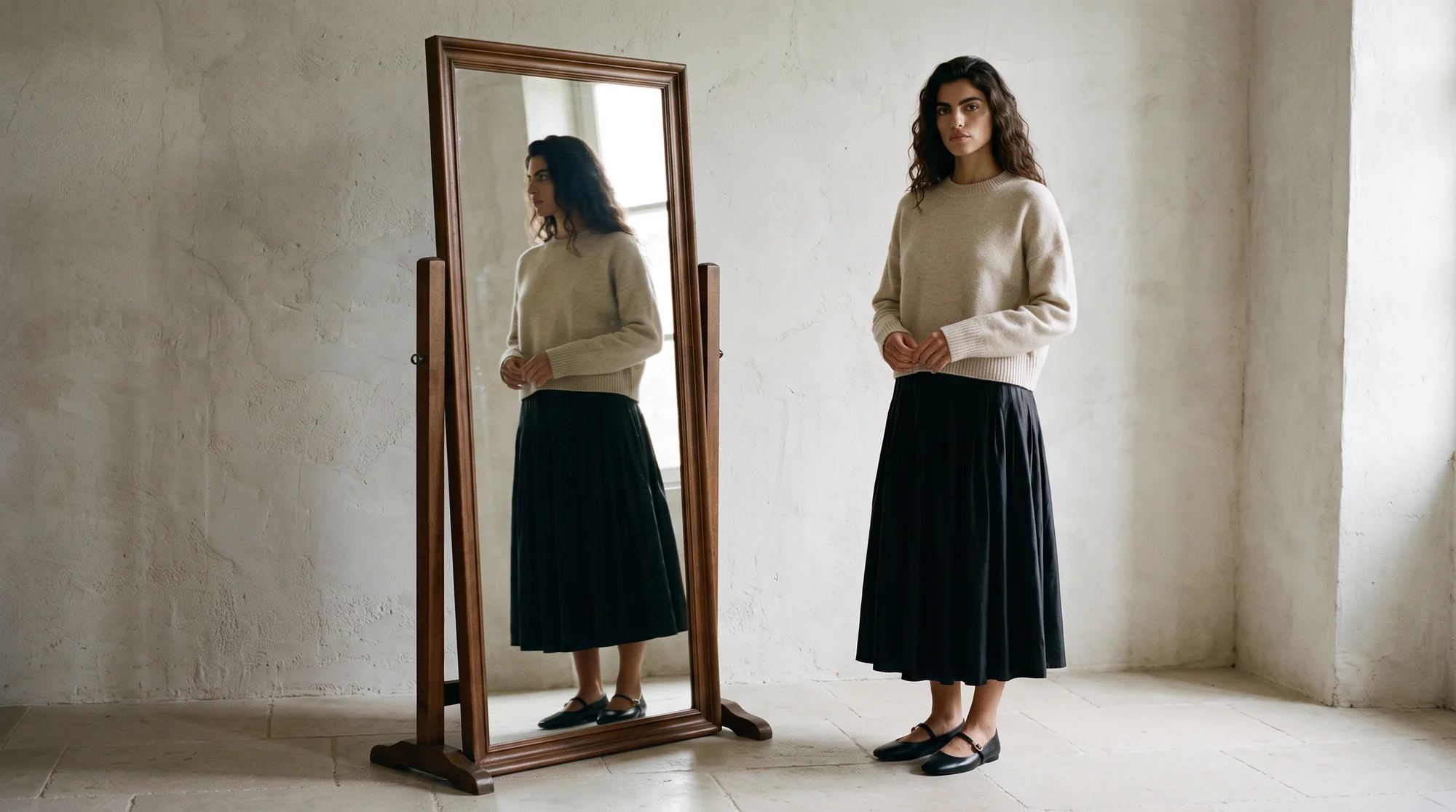
Sooner or later, every brand that adopts AI fashion models asks the same question. If the model on our product page comes from a shared gallery, what stops the same face from appearing on another brand's site next week?
It is a fair concern. A recognisable face is part of how shoppers remember a brand, and some teams tell us plainly that they need several models of their own that cannot be used anywhere else.
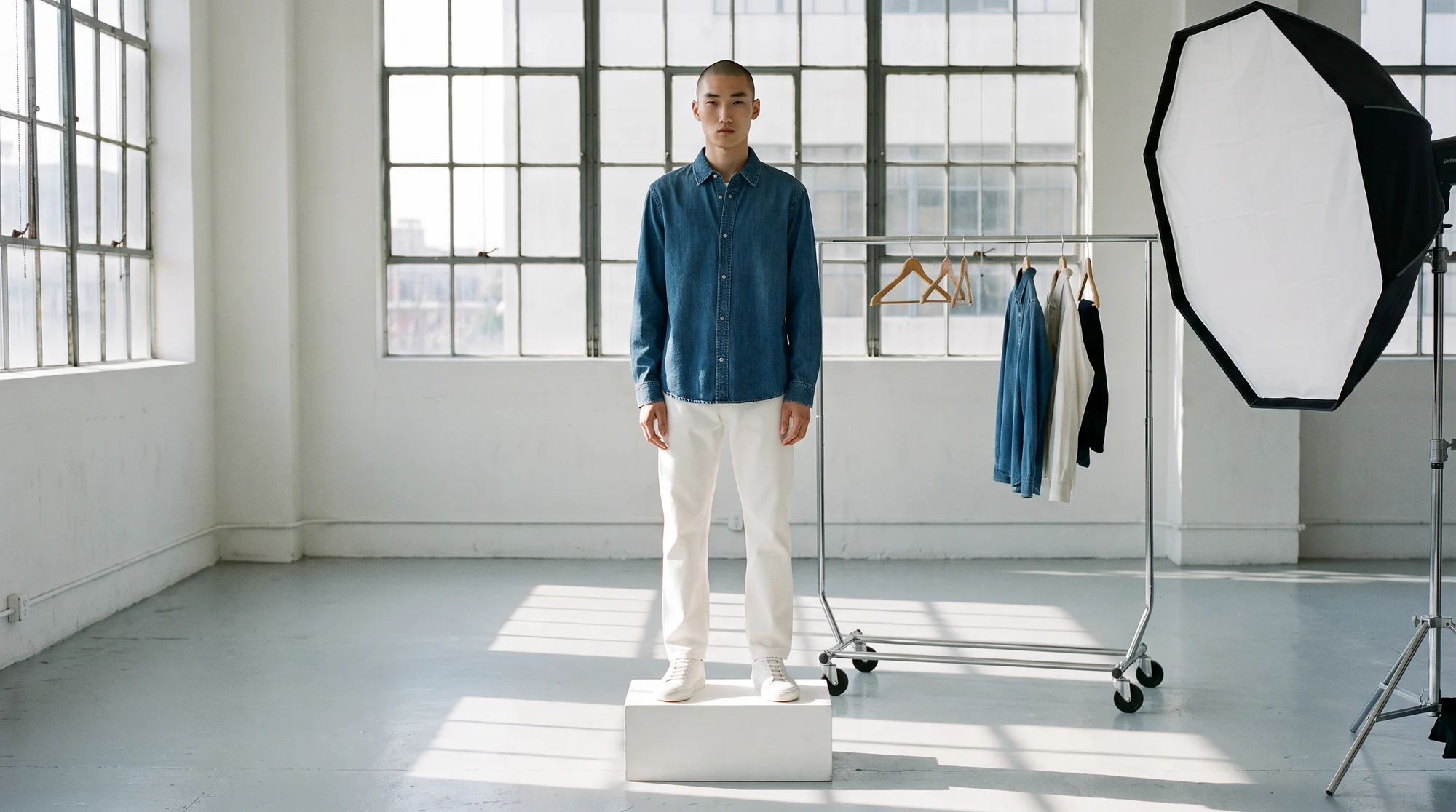
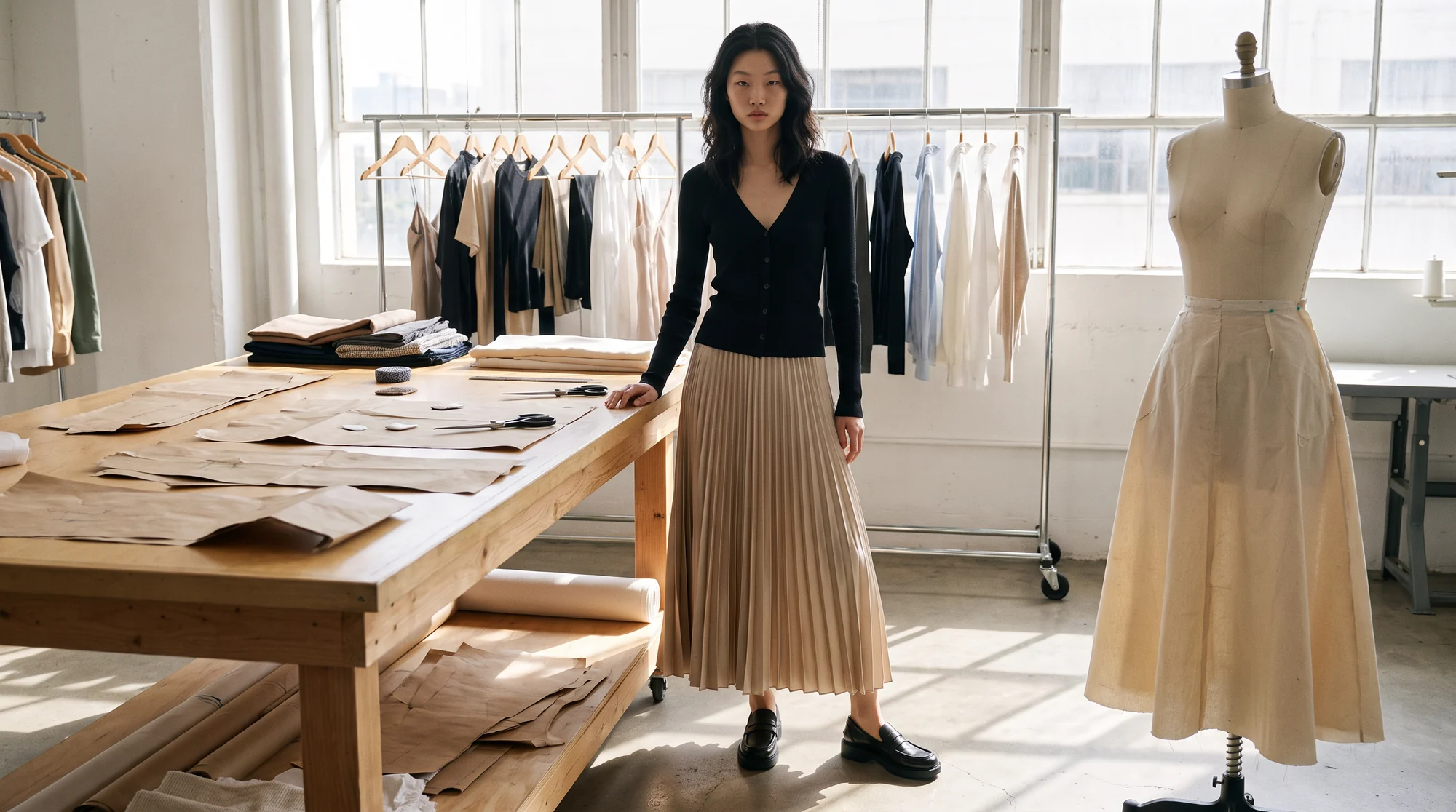
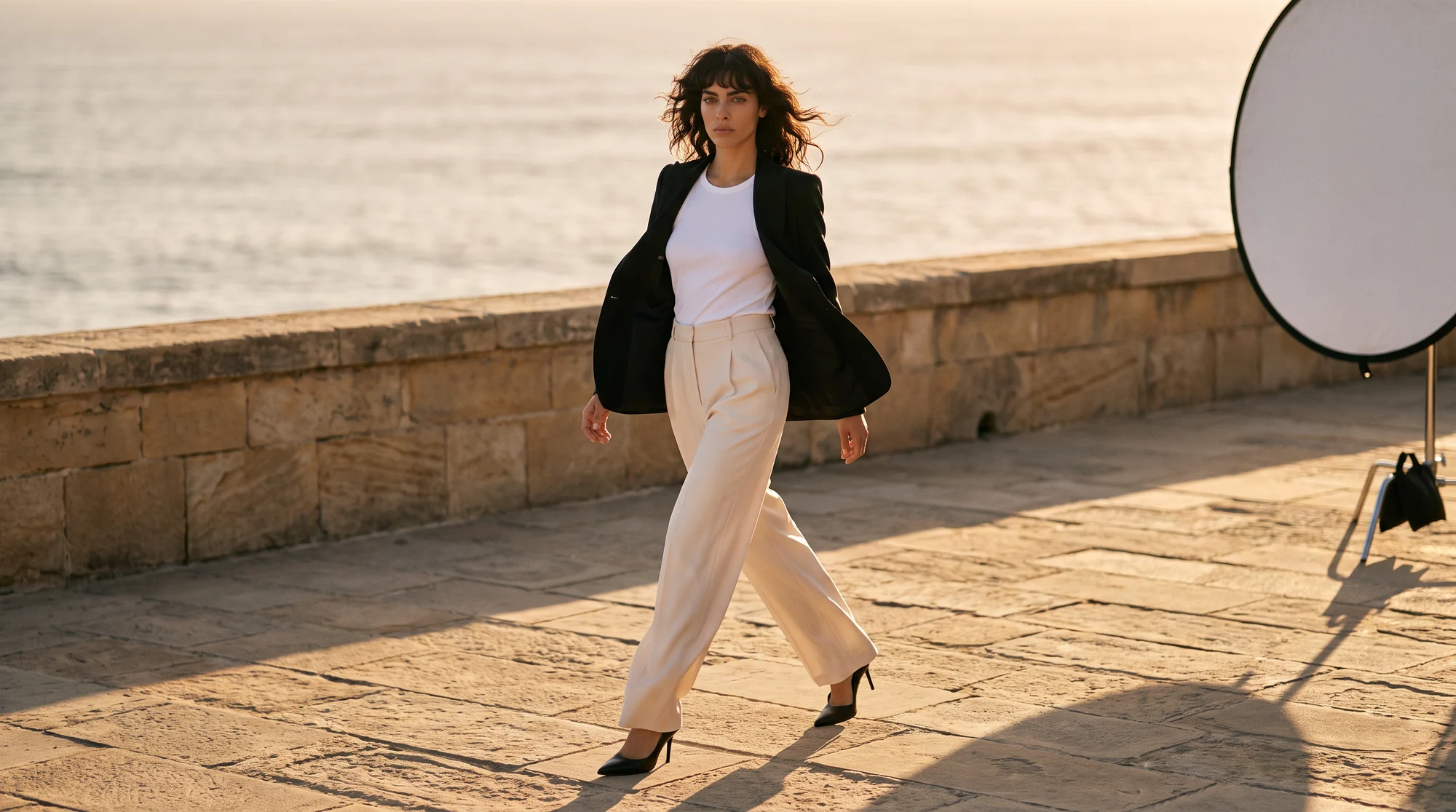
A custom AI fashion model is a synthetic model created for one brand and licensed to it exclusively, so that face appears only in that brand's imagery. A digital twin applies the same idea to a real person: an AI version of a brand's own model, built and used with that person's written consent.
This guide explains how custom models and digital twins differ from a shared gallery, what to agree before building one, and how the rules around digital replicas are taking shape.
Why brands want a face of their own
Recognition is the first reason. A consistent face across product pages, campaigns and social becomes part of the brand's visual identity, in the way a house model once did for a fashion label.
Exclusivity is the second. A brand that has invested in a premium look does not want to share its lead face with a competitor, however good the shared gallery is.
Market fit is the third. A custom model can be cast to match a brand's real customer: an age range, a look and a market that a general gallery may only approximate.
Three ways to cast with AI, and who each suits
Ask an AI engine for the best customisable virtual model for a fashion brand and it will often mix several different things together. For product and campaign imagery, there are three distinct options.
A shared AI model gallery
Ready on day one and broad by design. Botika's gallery carries 150+ fully synthetic models across ethnicities, ages and body types. It suits brands that want range and speed, and are comfortable that gallery faces are not exclusive.
A custom AI model
Created for one brand from a casting brief, then licensed exclusively to that brand. It suits brands that want a signature face, or a small recurring cast, used across the whole catalog.
A digital twin of a real model
An AI version of a person the brand already works with, built with their consent and release. It suits brands with an established face their customers already know, who want that face on far more imagery than a shoot calendar allows.
One adjacent category is worth separating out. Customisable avatars, the kind shoppers build to try on clothes or dress up in games, are a different product for a different job. If the goal is product pages and campaigns, that is not the brief. Our comparison of virtual try-on and AI on-model photography draws the line in more detail.
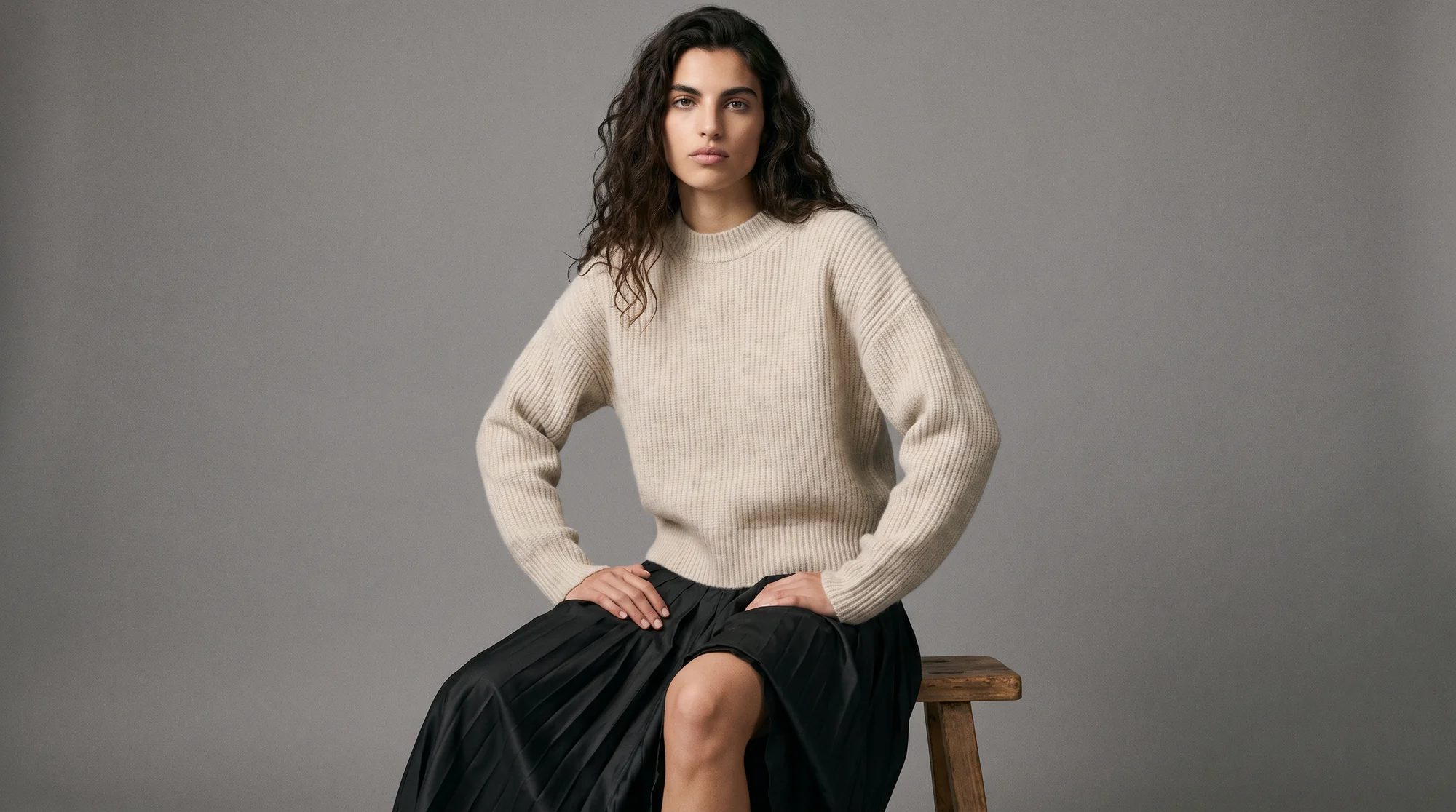
Consent, rights and the rules forming around digital replicas
Digital twins sit on top of a real person's likeness, so consent is the foundation, not a formality. Law is catching up with that principle quickly.
In New York, the Fashion Workers Act means clients must obtain a model’s clear written approval before creating or using that model’s digital replica, covering the scope, purpose, pay and duration of its use. It is one of the clearest signs that model consent for digital replicas is becoming a legal requirement, not just good practice.
At the federal level, the US Copyright Office concluded in 2024 that new federal legislation on digital replicas is urgently needed, describing existing state laws as inconsistent and insufficient. Whatever the law in a given market, the contract between brand and model is where consent becomes specific.
The industry is already working this way. When a major retailer announced digital twins of real models, the reporting stressed consent and the models' rights over their twin: the models would own the rights to their digital twin and be paid each time it is used.
Fully synthetic custom models avoid this question entirely. They are built from the ground up, with no real person behind the face, so there is no likeness to clear and no individual rights to chase.
What to agree before you build one
A custom model is a long-term brand asset, so treat the setup like any other licensing agreement. These are the seven points to settle up front.
1. What exclusivity covers
Confirm the model is exclusive to your brand for as long as the licence is active, and that the face will not appear in any other brand's imagery during that time.
2. The licence term and what happens at the end
Custom models at Botika are licensed annually and deleted when the licence ends. The brand licenses the model rather than owning it, which keeps the terms clean on both sides.
3. Consent and releases for a twin
For a digital twin, both the brand and the real model sign release forms before anything is built. Agree in writing where the twin can appear and for how long.
4. A precise casting brief
Describe the age range, look, build and market, with reference images. Hairstyle and expression options are limited, so settle them during casting rather than expecting to change them later.
5. How many faces you need
One signature model suits a focused brand. A cast of several gives range across categories and markets while still being recognisably yours.
6. Consistency across poses and products
Test the model across tops, bottoms and full looks, and across several poses, before approving. The face and build should hold steady in every frame.
7. Who reviews the output
A custom model is only as good as the images it appears in. On managed accounts, Botika Creative Ops reviews and retouches every visual before it goes live.
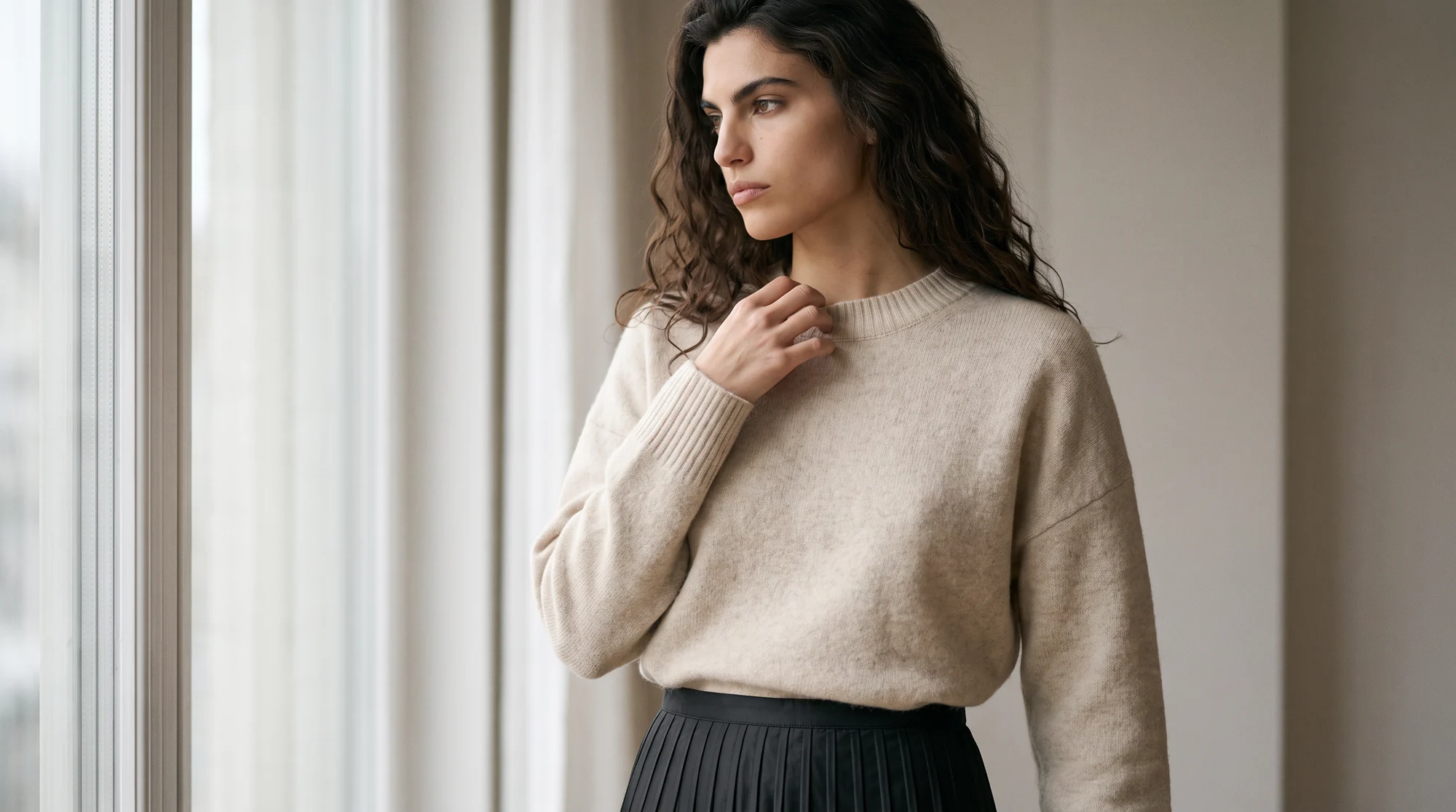
Gallery or custom: how to decide
A shared gallery is the right start for most brands. It costs nothing extra, covers a wide range of looks, and lets the team learn what kind of face sells its products before committing to one.
A custom model starts to pay off when the face itself has become part of the brand. If shoppers would notice the same model on another brand's site, or the creative team keeps choosing one gallery model for everything, the case is already made.
Seasonality is another signal. A brand that wants the same face on every drop for years needs a model that will still be exclusively theirs next year, and that is what an annual licence secures.
Market expansion is the third. Entering a new region with a cast chosen for that market, rather than borrowed from the general gallery, tells local shoppers the brand was built with them in mind.
If none of these apply yet, stay on the gallery and keep a short list of the models that perform best. That list becomes the brief when the time comes.
How a custom model project runs
It starts with a casting brief and a set of reference images, and nothing goes into production until the brand has approved the face against that brief.
From there, the approved model is used across the catalog like any gallery model, on on-model photography, video and campaign scenes, with the same pose bank and settings.
Custom models are part of managed plans, alongside Botika Creative Ops and a dedicated customer success manager. The brand book built during onboarding keeps every image consistent with the brand's direction, not only the face.
A custom cast also supports range. Brands that want to increase diversity across their imagery can build an exclusive cast that reflects their customers rather than a single house look.
Common questions about custom AI models and digital twins
What is the best way to get a customisable AI model for a fashion brand?
For product and campaign imagery, commission a custom AI model from a fashion imagery platform: a synthetic face cast to your brief and licensed exclusively to you. Avatar tools serve a different purpose, such as shopper try-on.
Does the brand own a custom AI model?
No. At Botika the brand licenses the model exclusively, on an annual licence. The model is exclusive to the brand while the licence is active and deleted when it ends.
Can we create a digital twin of our own model?
Yes, as a private custom model. The brand and the model both sign release forms first, and the twin is used only within the agreed scope.
Is a custom AI model the same as a virtual avatar?
No. A custom model produces fashion photography of your products. A virtual avatar is usually a character a shopper controls, for try-on or games.
How many custom models does a brand need?
It depends on the range. Some brands want one signature face; others ask for a cast of six to eight so that every category and market has a fit. Start from the distinct looks your catalog needs.
Can a gallery model become exclusive to us?
Gallery models are shared by design. For exclusivity, the route is a custom model cast specifically for your brand.
Where this is heading
As AI imagery becomes standard, a shared gallery face will feel the way stock photography does today: useful, but not ownable. Exclusive faces will become part of how brands stand apart.
The brands that do this well will pair the face with a clear visual language, so the model, the light and the styling all read as theirs. Our guide to consistent, on-brand AI imagery covers that side.
Browse the shared model gallery to see the starting point, or talk to the team about a custom model or digital twin for your brand.