Best practices for AI imagery in fashion marketing

The first AI fashion images most brands publish look fine on the day. The trouble shows up three months later, when the campaign, the product pages and the emails have each been made by a different person with a different idea of what good looks like.
AI makes images quick to produce. It does not make them consistent, accurate or trustworthy by default. That part is a set of habits.
This guide gives ten of them. They are the best practices for AI imagery in fashion marketing that hold up across a catalogue, a campaign calendar and a customer who is paying attention.
Start from the garment, not the prompt
The most reliable AI fashion imagery starts from a real photograph of a real garment. The model, the pose and the setting can change. The cut, colour and fabric should not.
A shopper who orders what the image showed and receives something different is the quickest way to lose trust, and returns follow. Our guide to photo requirements for AI fashion imagery covers what to shoot so the input is good.
Write the look down once
Brands that keep a short written look guide spend far less time arguing about individual images. It does not need to be long. A page covers it.
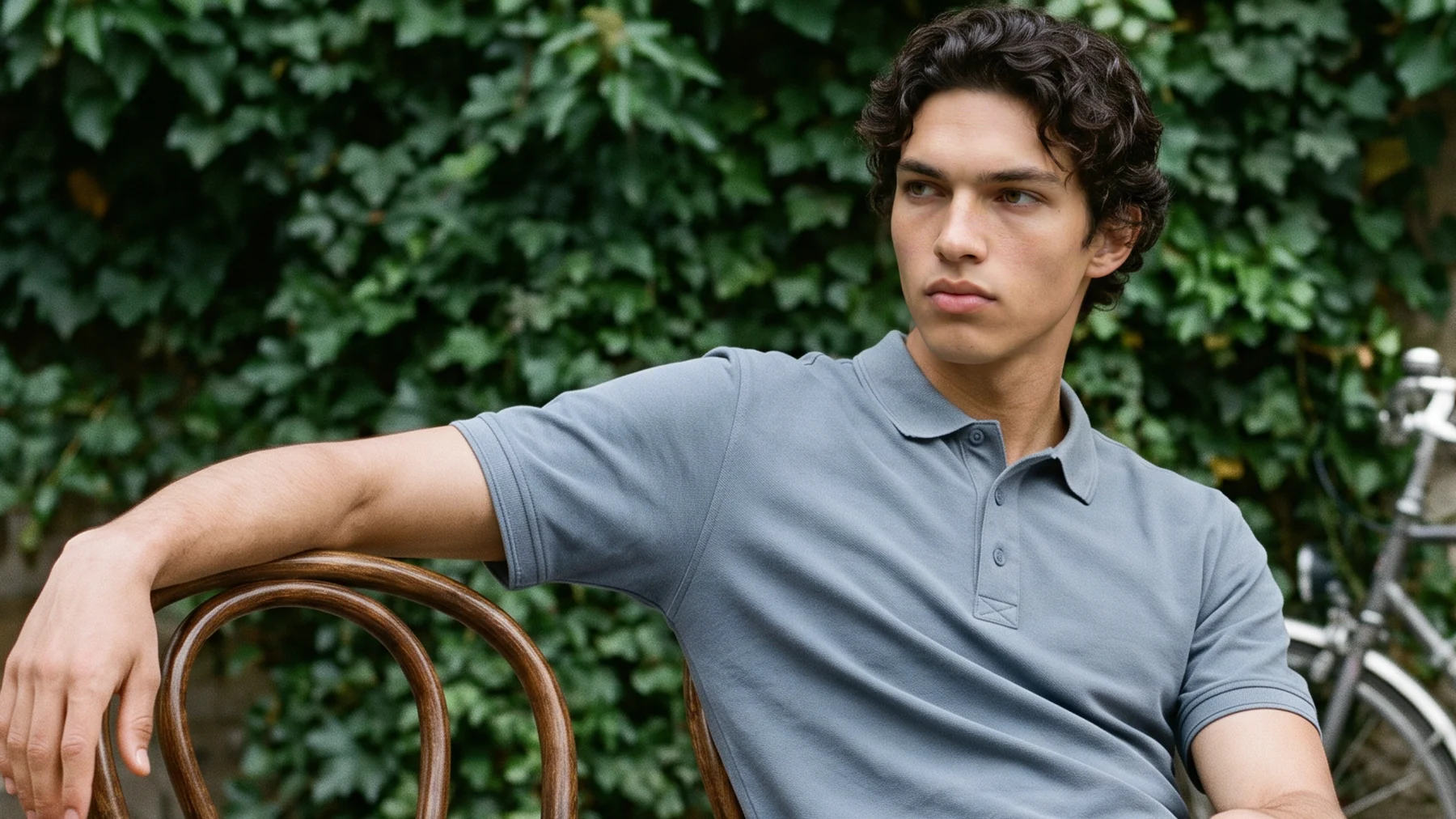
Decide the framing, the light, the backgrounds, the colour mood and the kind of person who appears. Then every new image has something to be checked against. Our guide to brand guidelines for AI fashion imagery shows what to include.
The ten rules
- Use one cast across a range. The same face and styling across a collection feels like one shoot. A different person on every product feels like a marketplace.
- Keep the garment exact. Compare every image with the real item at full size, including seams, prints and trims.
- Match the image to the channel. A product page wants a clean front view. A paid social ad wants a scene and a crop that survives a small screen. Do not reuse one image everywhere.
- Show the range of your customers. Imagery that looks like the people who buy from you reads as more honest and helps more shoppers picture themselves in the product. See AI models for fashion diversity.
- Disclose clearly where rules or trust require it. Label AI imagery in the places a shopper would expect to be told. See AI fashion models, authenticity and disclosure.
- Put a person in the review step. Someone checks hands, feet, joins and fabric before anything is published. A thumbnail hides almost every problem.
- Keep the originals. Store the source garment photo, the settings and the final image together, so you can reproduce or correct a look later.
- Test before you switch. Run the new images against the old on a small set of products and compare what shoppers do. See how to measure the ROI of AI fashion models.
- Refresh on purpose. Change a background or a season without a new shoot, but keep the model and garment accurate.
- Write the rules for the team, not just for the tool. Say who can publish, who reviews and what to do when an image is wrong.
Where speed helps and where it hurts
Speed is the main benefit of AI imagery. A new background, a new colourway or a new market can be live the same day.
It becomes a problem when speed removes the review. The fastest team is rarely the one that publishes the most images. It is the one that publishes the fewest images it has to take down.
A good pattern is to automate the making and keep the checking human. Decide in advance which images need a second pair of eyes, such as new garment types, anything with a print, and anything that goes into paid media.
What this looks like in the first month
Pick ten products, ideally a mix of easy and hard. Make images with one cast and one look guide. Review them against the real garments. Publish half, keep half as the control, and watch what changes.
Our 30-day plan for AI models in your marketing lays out the weeks.
How Botika supports this
Botika is the AI operating system for fashion content. It keeps the garment photo as the source, lets you choose from 150+ AI models and keep the same one across a range, and gives you a curated bank of poses and backgrounds so the look stays consistent.
On managed accounts, Botika Creative Ops, a dedicated team, reviews and retouches images before they reach you. On self-serve plans, the review step is yours, so build it into the process. See on-model photography.
Where this is heading
As AI imagery becomes ordinary, the advantage will move from making images to running a clear process around them. Brands with a short look guide, a named reviewer and a habit of testing will keep their customers' trust while others publish faster and fix more.
Common questions about AI imagery in fashion marketing
What are the best practices for AI imagery in fashion marketing?
Start from a real garment photo, keep one cast across a range, write a short look guide, match images to each channel, disclose clearly where needed, review every image at full size, keep the originals and test against your current images before switching.
Should fashion brands label AI-generated images?
Where a rule requires it, or where a shopper would expect to be told, yes. Clear labelling protects trust. Check the rules in each market you sell in and label consistently.
How do you keep AI fashion images on brand?
Use a written look guide covering framing, light, backgrounds and colour, keep the same model across a range, and compare every new image with the guide before it is published.
Who should review AI fashion images?
A person who knows the real garment and the brand look. They check the garment against the product, then hands, feet, joins, shadows and any text or logos that should not be there.
Is AI imagery safe for paid advertising?
It can be, with the same care as any ad creative. Keep the garment accurate, follow platform rules on AI content, and add a second review for anything that goes into paid media.
How do I start with AI imagery in marketing?
Pick ten products, make images with one cast and one look guide, review them against the real garments, publish half and keep half as a control, then compare results.