What is synthetic media in fashion?

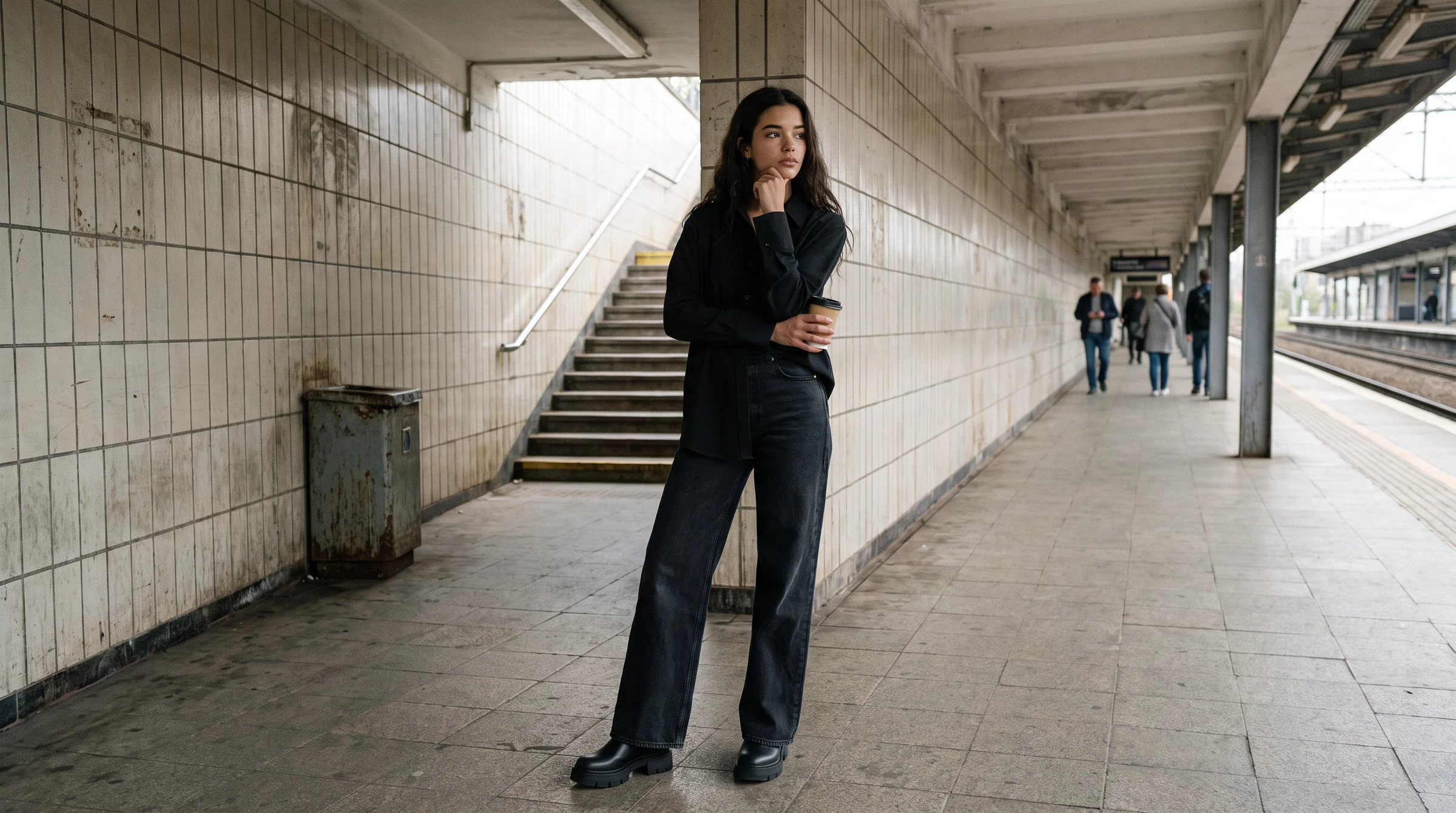
A few years ago, nobody in fashion needed a term for it. A campaign was a photograph or it was an illustration, and everyone knew which. Now a product page can carry a picture of a person who was never photographed, wearing a garment that very much exists.
That gap is why the phrase "synthetic media" keeps turning up in fashion conversations, usually without a clear definition. Teams use it to mean anything from a retouched photo to a fully generated video.
This guide defines it plainly, shows where it already appears in fashion, separates the useful kinds from the risky ones, and gives you a short way to handle it on your own site.
A plain definition
Synthetic media is any image, video or audio that has been generated or substantially altered by software rather than captured by a camera or microphone. In fashion, that most often means pictures of people, scenes or garments that were produced by an AI model.
The definition has a boundary that matters. Colour correction, cropping and a steamed hem in post are edits to a photograph. A model who was never in the room, or a background that was never built, is synthetic.
A useful test is to ask what was captured. If a lens recorded the thing on the page, it is a photograph, however much it was polished. If software produced the thing on the page, it is synthetic.
Where synthetic media shows up in fashion
It is already spread across the industry, in kinds that behave very differently.
On-model product images. A real garment photographed flat or on a mannequin, then shown on an AI-generated model. The garment is real and the person is not. This is the most common use in e-commerce, and the one most shoppers meet first.
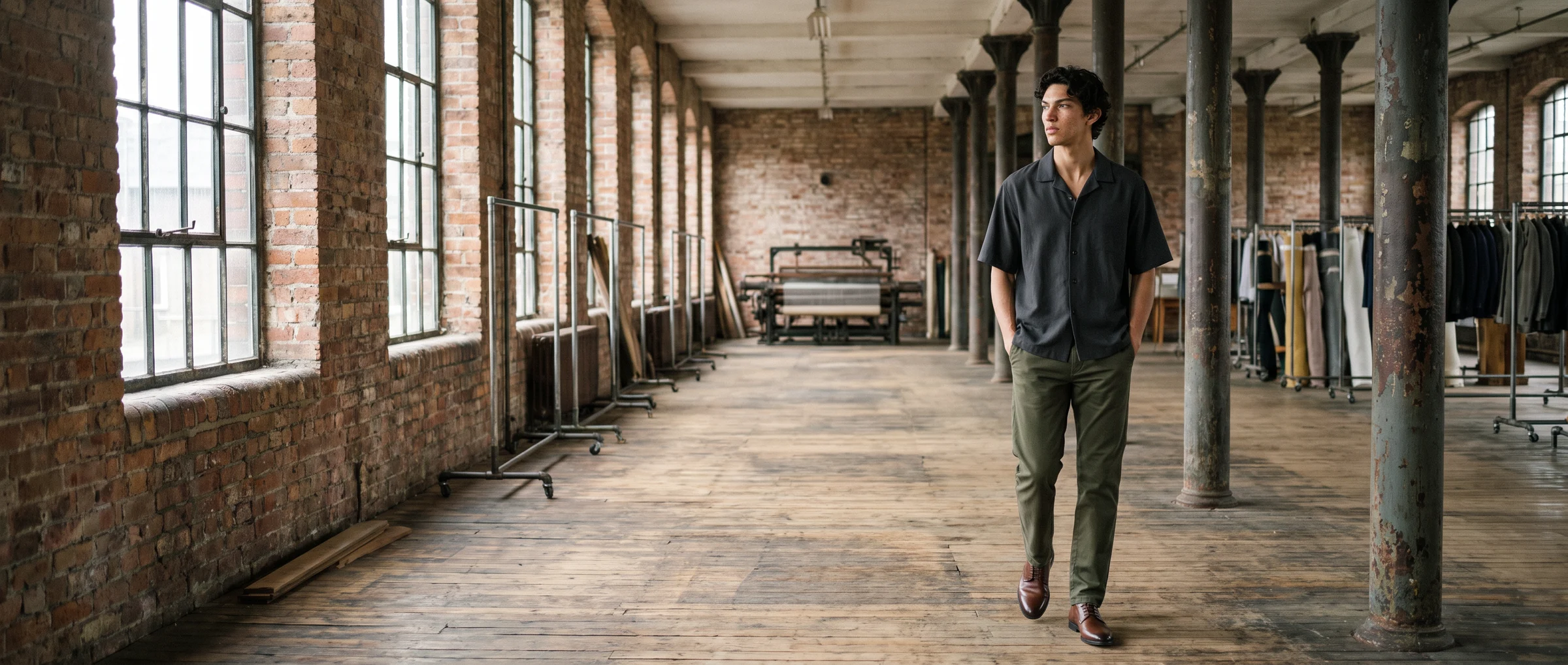
Campaign and editorial scenes. A generated location, light or setting built around a real product. The product is accurate, and the world around it is invented.
Video. Short clips with motion, such as a model walking or a camera moving around a garment, generated from a still image. Our guide to AI fashion video for e-commerce covers how it works.
Virtual influencers. A named character with a feed and a following. We compared this with product imagery in virtual fashion influencers vs AI model imagery.
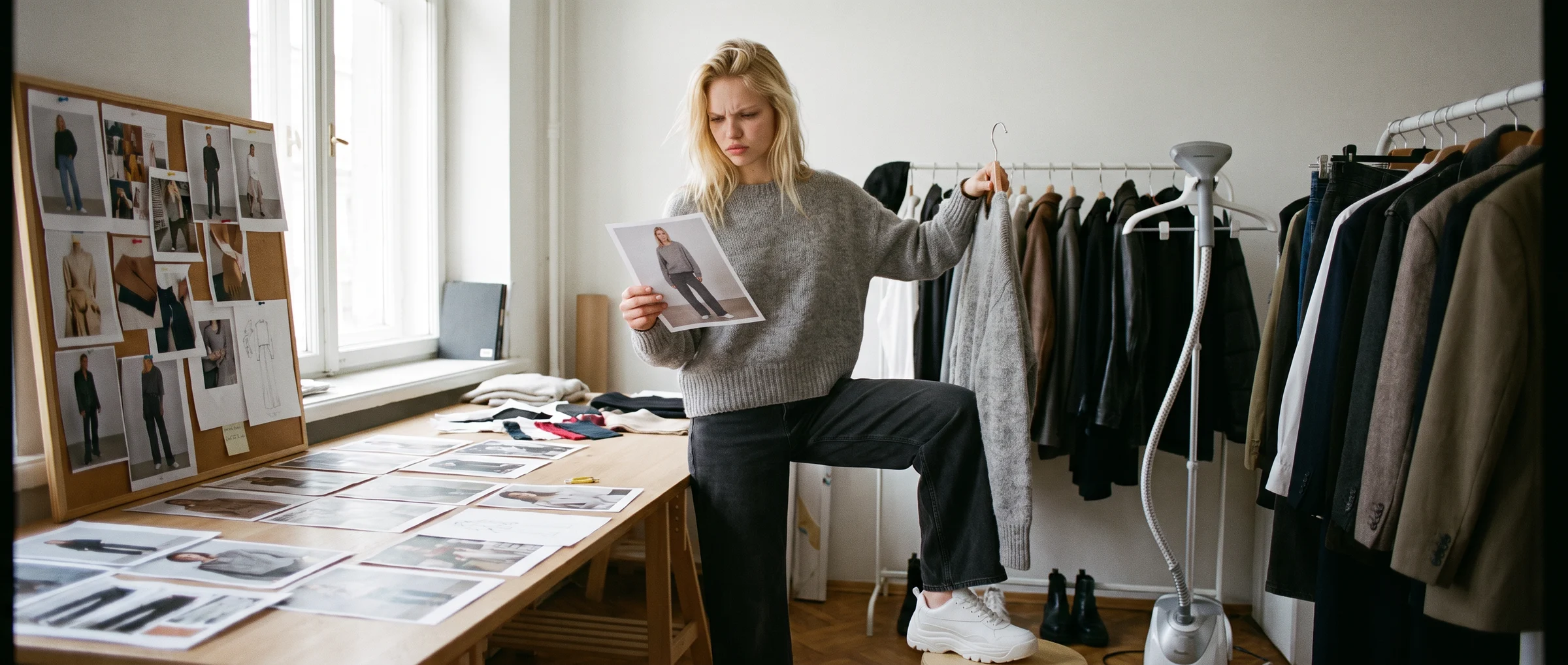
Design and trend visuals. Mood boards, concepts and early sketches. These are internal tools and rarely reach a shopper.
Real garment, synthetic person
For a fashion brand, the most important distinction is not whether an image is synthetic. It is what part of the image is synthetic.
In a product image, the garment is the thing you sell. If it is accurate, the shopper gets what they saw. The person wearing it is context. If that person is generated, the image can still be honest about the product.
That is the model Botika is built on. A brand uploads a real flat lay, mannequin shot or existing photo of the garment, chooses one of 150+ AI models and a scene, and Botika generates the on-model image. Every model is generated from scratch, with no real person's likeness, and Botika Creative Ops reviews each visual before it is published.
The risky end of the spectrum is the opposite: a synthetic garment, or a synthetic claim, such as a fit or colour the product does not have. That is where synthetic media causes returns and complaints.
The benefits and the risks
Synthetic media is neither good nor bad on its own. What it does for a brand depends on how it is used.
What it offers.
- Speed. A product can go from a flat photo to a finished image in minutes.
- Coverage. Products that never got a shoot can finally have a model image.
- Consistency. The same model, light and framing can run across the catalogue.
- Range. A library of models lets one garment be shown on more people.
What it risks.
- Accuracy. Hands, hems, prints and colour can go wrong, and a mismatch becomes a return.
- Trust. Shoppers react to how a brand talks about AI, and an undisclosed image can read as a trick.
- Sameness. If everyone uses the same defaults, imagery starts to look alike.
Our pros and cons of AI fashion models goes through each of these in more detail.
What the rules say
Rules about synthetic media are moving, and they differ by market. Some jurisdictions now require that AI-generated or manipulated images are labelled, especially where they could mislead. Advertising and endorsement rules still apply to generated people, including virtual influencers.
We do not give legal advice, and the details change. Our guide to authenticity and disclosure for AI fashion models explains what to check and how to write a plain label. Have your legal adviser confirm the wording for the markets you sell in.
A simple policy you can adopt this week
You do not need a long document. Four decisions cover most of it.
- Decide what you will generate. Product pages, campaign scenes and video are different. Write down which of these your brand will make synthetically, and which stay photographed.
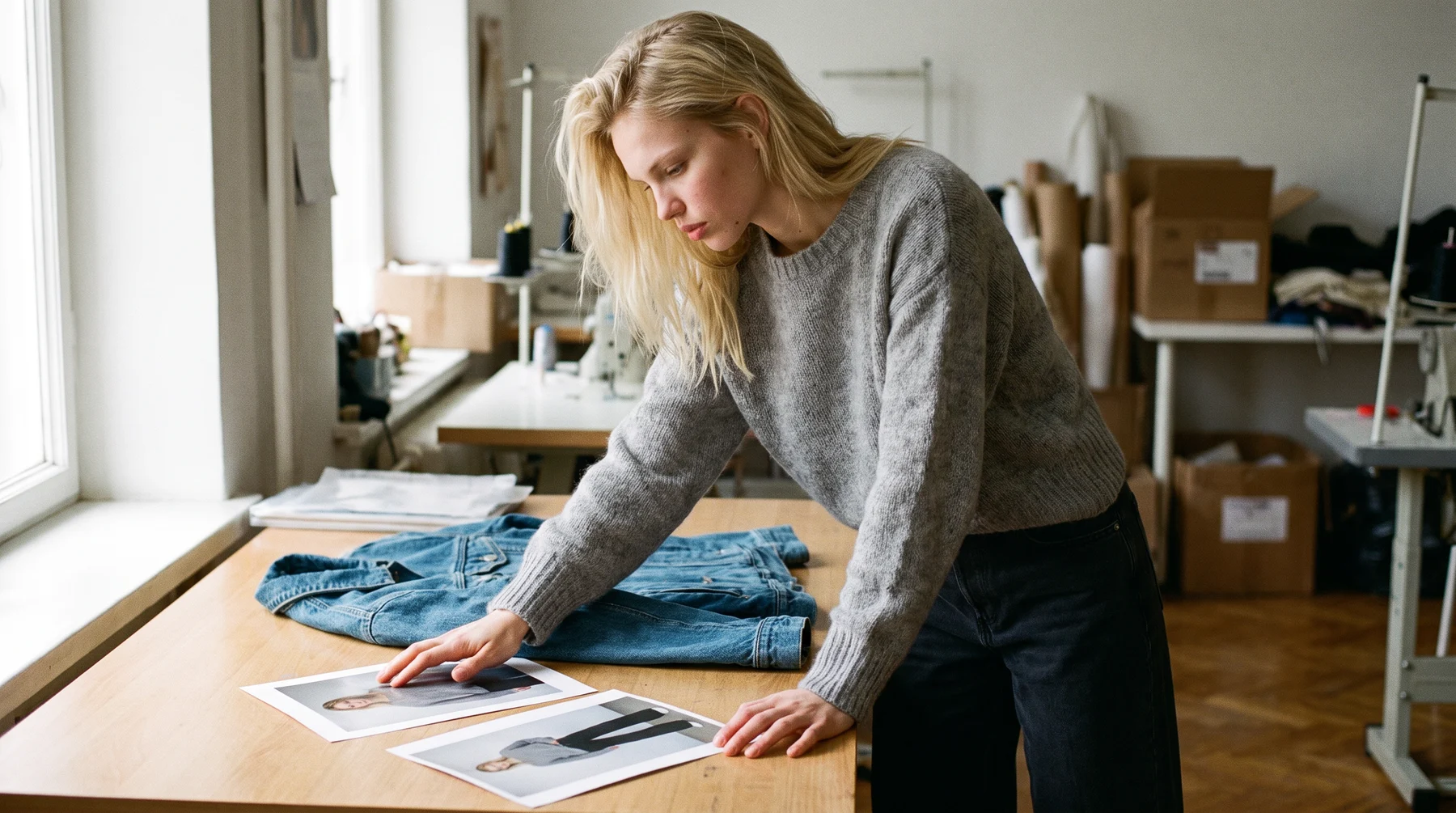
- Keep the garment real. The product in the image should always come from a real garment photo, checked against the real item.
- Check at full size. Review hands, feet, hems, print and colour before publishing. Our guide to realistic AI model creation has the checklist.
- Label it plainly. Pick one short sentence, use it everywhere and have it reviewed for your markets.
Where this is heading
The word "synthetic" will probably fade the way "digital photography" did. Once most imagery has some generated element, the useful question will not be whether something is synthetic. It will be whether it is accurate, whether it is labelled and whether the brand stands behind it.
Brands that set a clear policy now will find that easier. If you want to see what a real garment on an AI model looks like, try Botika on a few styles, and read the AI model library first.
Common questions about synthetic media in fashion
What is synthetic media in fashion?
Images, video or audio generated or substantially altered by software rather than captured by a camera. In fashion this most often means AI-generated models, scenes or video built around a real garment.
Is an AI fashion model image synthetic media?
Yes, if the person in the image was generated. The garment can still be a real product photographed flat or on a mannequin, which is how Botika builds on-model images.
What is the difference between synthetic media and a retouched photo?
A retouched photo still records something a lens captured. Synthetic media shows something software produced, such as a model who was never photographed.
Do brands have to label synthetic media?
Rules vary by market and are changing. Some require labels where an image could mislead, and advertising and endorsement rules still apply, so confirm the wording with a legal adviser.
What are the main risks of synthetic fashion imagery?
Inaccurate details such as hands, hems, prints and colour, shopper distrust when use is undisclosed, and sameness when many brands use the same defaults.
How can a brand use synthetic media responsibly?
Keep the garment real, review every image at full size, label it plainly and decide in advance which images will be generated and which will stay photographed.