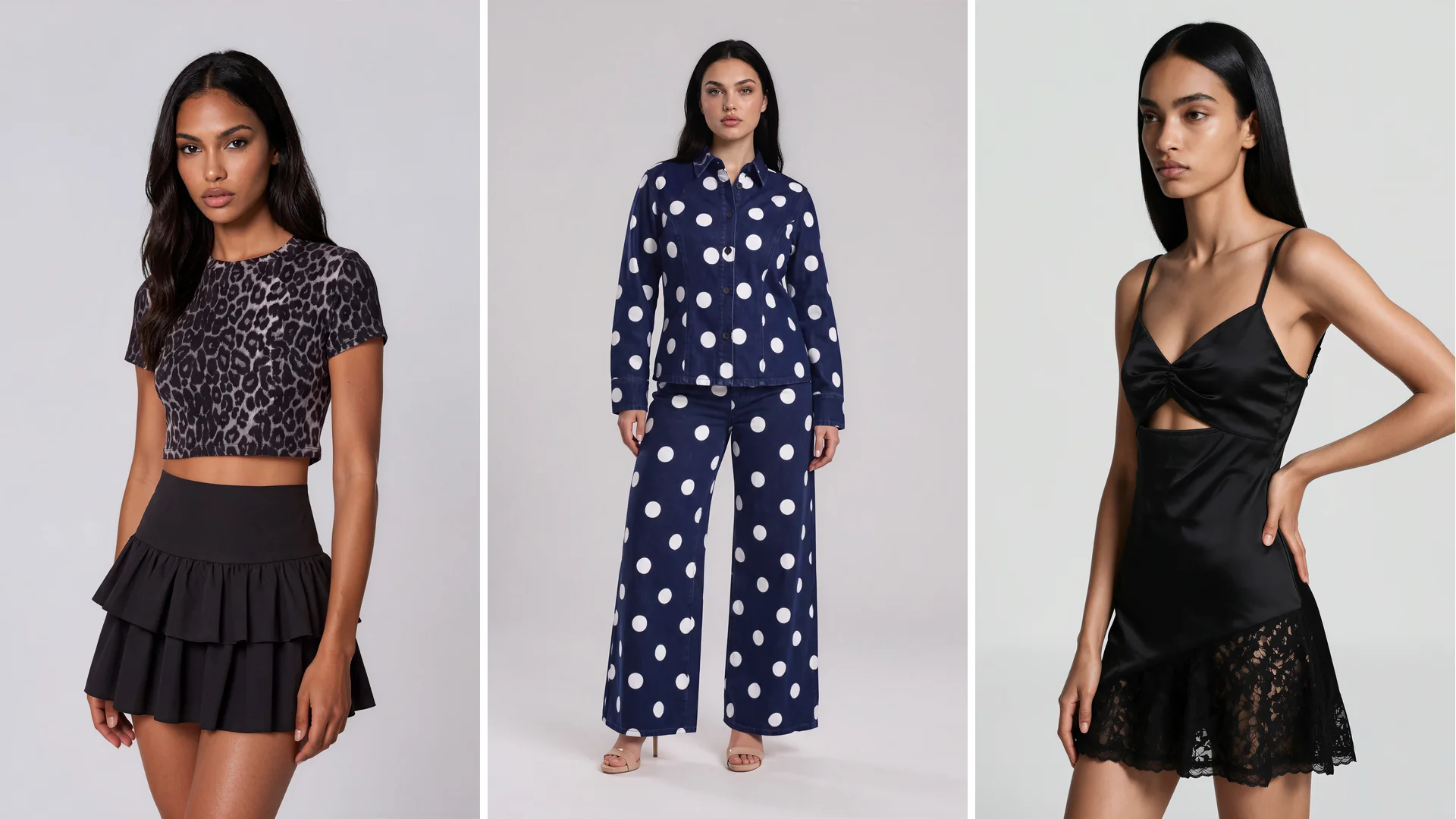
AI fashion video for eCommerce: Motion from a product photo
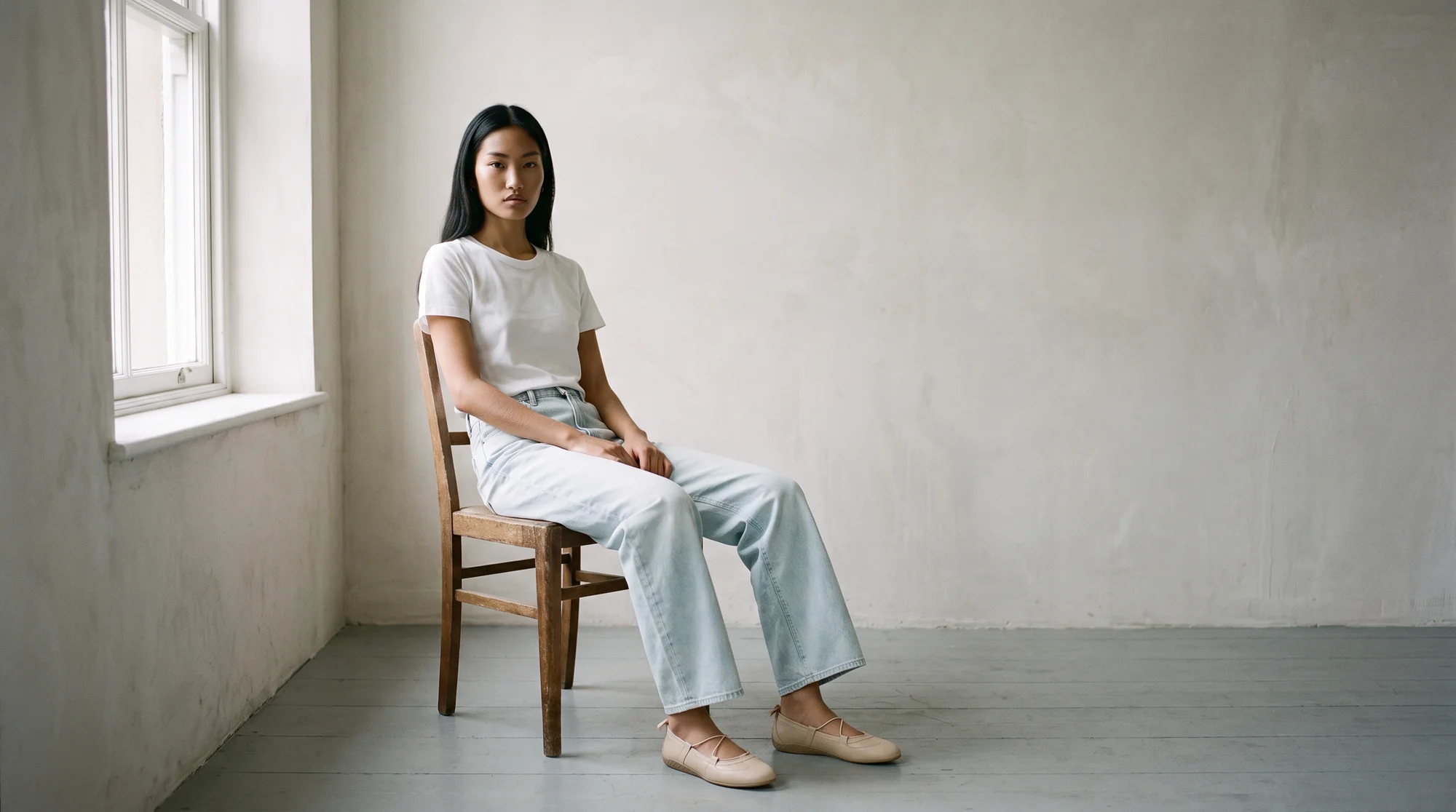
Scroll any fashion product page or paid feed in 2026 and the same thing is true: the listings that move are the ones with motion. A still shows the garment; a few seconds of video shows how it drapes, moves, and sits on a body. Shoppers have come to expect it, and brands that only publish stills feel a step behind.
The problem has always been production. Fashion video meant a set, a model, a videographer, and an edit, for every look, which is why most catalogs still run on stills. AI has removed that barrier.
AI fashion video is the use of AI to create short, on-model video of a garment from a product image you already have, a flat lay, a packshot, or an on-model still, instead of filming a shoot. Because it is built for fashion, it holds the real fabric, fit, and branding as the garment moves.
This guide covers why video matters now, how it is made from a single photo, where it fits, and how to keep it good enough to publish.
Why fashion ecommerce needs video now
Video does a job a still cannot. For clothing, buyers judge fit and movement, and a short clip of a garment on a body answers questions a flat image leaves open. It is why 45 percent of shoppers say video helped them choose what to buy, more than a flat image tends to.
The channels reward it too. Paid social and short-form feeds are built around video, product pages with motion hold attention longer, and 85 percent of shoppers say a video has convinced them to buy something. A brand without video is competing with one hand tied.
Until recently, the cost of producing enough video kept most brands out. When a clip can come from a photo you already have, that constraint is gone.
How AI fashion video works
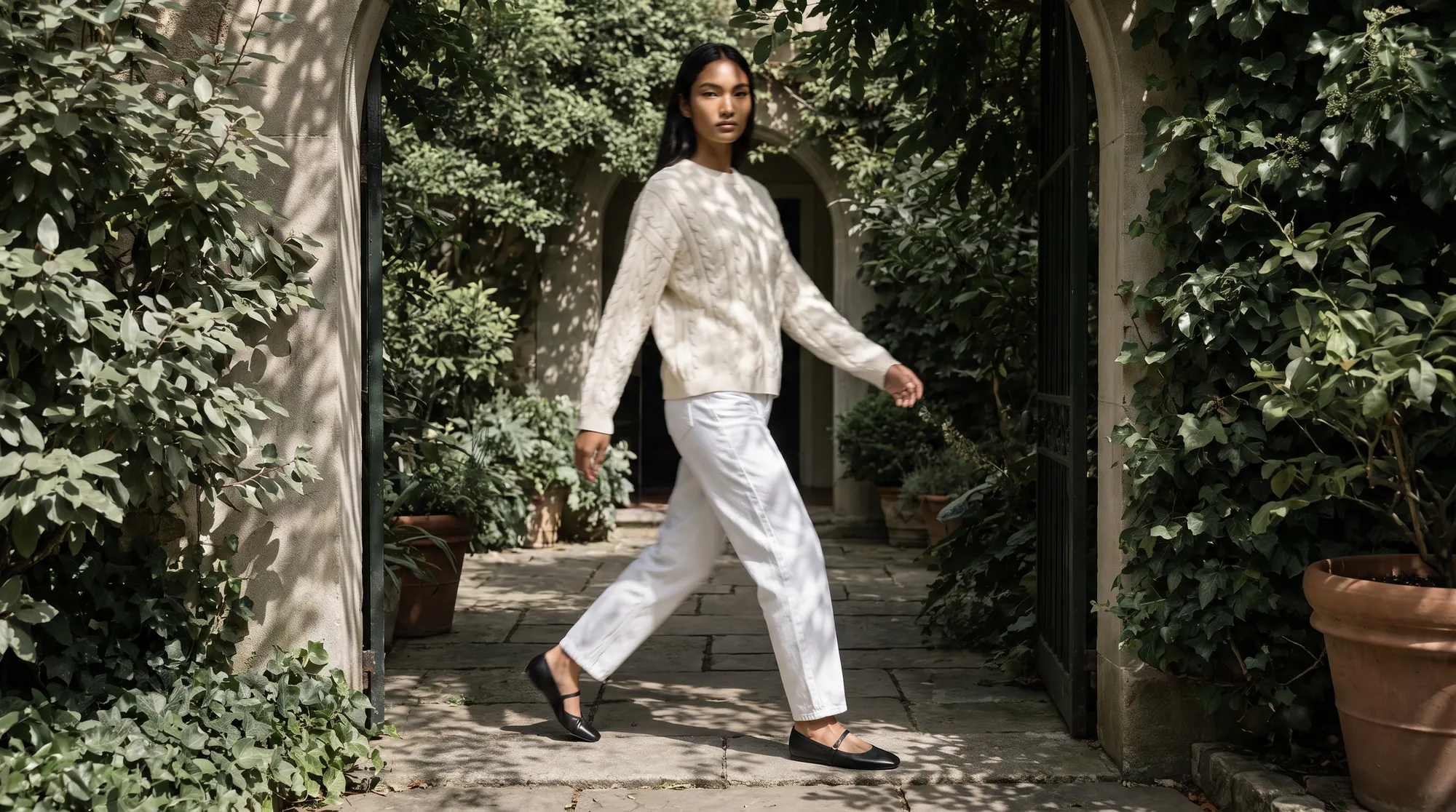
The workflow starts where your catalog already is. You upload a product image, a flat lay, a ghost mannequin shot, or an on-model still, and the AI generates a short video of that garment worn by a model in motion.
No casting, no set, no shoot day. The garment keeps its real texture and fit through the movement, and you choose the model and the framing, so the clip fits the placement it is made for.
Because the input is a single image, the same product can become several clips, different models and different cuts, without ever returning to a studio.
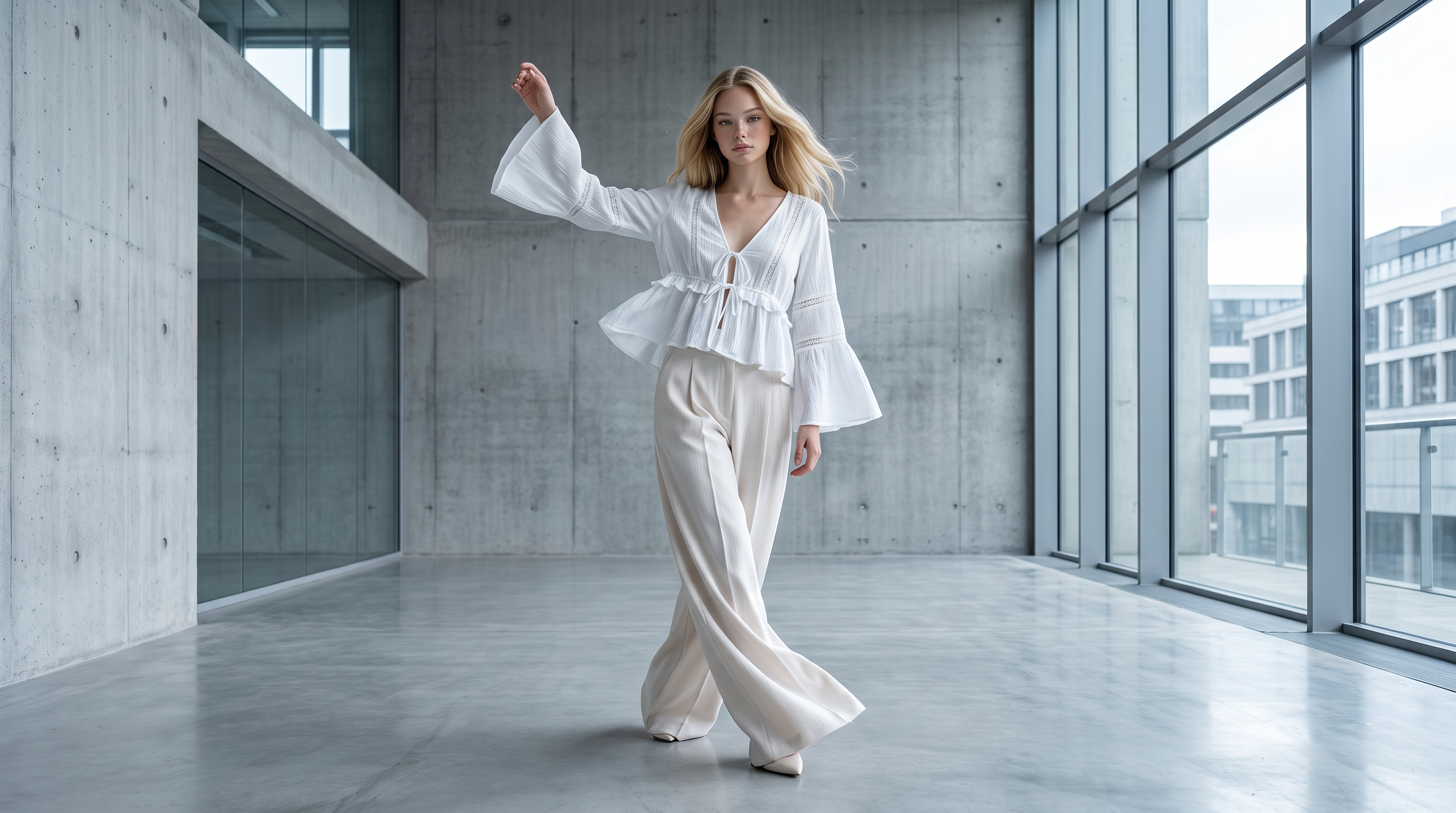
Where AI fashion video fits
It earns its place in a few spots at once.
On the product page, a short on-model clip near the top gives shoppers the movement and fit read that lifts conversion, the part a still cannot show.
In paid social and short-form, motion is the native format, and a steady supply of fresh clips keeps campaigns from fatiguing week to week.
Across the catalog, video that used to be reserved for a few hero products becomes something you can produce at scale, so more of the range gets the treatment that actually sells.
The compounding effect is the real prize. When every product can carry a clip, video stops being a special asset you ration for hero styles and becomes a default layer of the catalog, the way on-model stills already are.
The business case, in order
1. Quality that matches the brand
The output has to look like your brand and keep the garment honest, with fabric, print, and fit intact as it moves. Fashion-trained AI is built around that fidelity, so the clip reads as premium rather than as a novelty effect.
2. Consistency across the catalog
One good clip is easy. Making the hundredth product's video match the first, in look and quality, is the hard part, and it is what lets you roll video across a full range instead of a handful of products.
3. Speed from product to published
No shoot to schedule means a clip can be ready the same day the sample lands, so video keeps pace with a launch instead of trailing weeks behind it.
4. More of the catalog covered
When video no longer costs a production each time, it stops being a luxury reserved for hero products and becomes something the whole range can have.
5. Cost that scales down
Traditional video gets more expensive with every look. AI moves it to a self-serve workflow, so producing more does not mean spending proportionally more.

How to keep it publish-ready
Feed it a strong source frame. The clip inherits whatever the input gives it, so a sharp, well-lit shot of the real garment produces cleaner motion than a soft or cluttered one. Weak inputs show up fast once the fabric starts to move.
Judge it on the hard cases. A busy print or a fine knit in motion is where weak output gives itself away, so test those, not just the easy products. Botika runs its AI alongside a QA and retouching team that reviews the result, which is what lets a brand publish video without inspecting every frame by hand.
Roll it out in order. Start with the products where motion will move the needle most, prove the lift there, then widen it across the catalog and into campaign work.
Handled that way, motion becomes a repeatable output rather than a one-off project. A single clip that performs becomes a template you apply across the range, and the catalog gains movement without the brand ever standing up a video production team.
Common questions about AI fashion video
What is AI fashion video?
It is short, on-model video of a garment created by AI from a product image you already have, instead of filming a shoot. Built for fashion, it keeps the real fabric, fit, and branding as the garment moves.
Can I make a video from a single product photo?
Yes, and that is the whole point. One image, a flat lay, a mannequin shot, or an existing on-model frame, is enough for the AI to animate the garment on a model. You never book a camera.
Is AI fashion video good enough for a product page?
For fashion, yes, as long as the platform is trained on garments and a person checks the result. The same teams already publishing AI on-model stills hold their motion to the same bar.
Where should I use the videos?
Product pages, paid social, and short-form feeds are the highest-value spots. Motion lifts fit confidence on a product page and is the native format on social.
How fast is it compared to a shoot?
Minutes, from a photo you already have, against the days a shoot takes to schedule and edit. Teams that move imagery to AI typically compress a multi-week cycle to about a day.
Will it keep my garment accurate in motion?
A fashion-trained platform is built to hold fabric, print, drape, and fit as the garment moves, and a QA step catches the cases where it slips before it reaches your store.
Where this is heading
Motion is becoming the default in fashion ecommerce, and discovery is shifting alongside it. More shopping now starts inside AI-powered search and overviews, where clear, well-made media is part of what gets a brand surfaced. The brands that make video cheap and consistent will be the ones showing motion across the whole catalog while others still shoot it one product at a time.
The fastest way to judge it is on your own catalog. See how Botika turns flat lays and on-model images into AI fashion video, browse the model roster, or start a free trial and animate one product to feel the difference motion makes.