AI fashion models vs stock photos for fashion brands

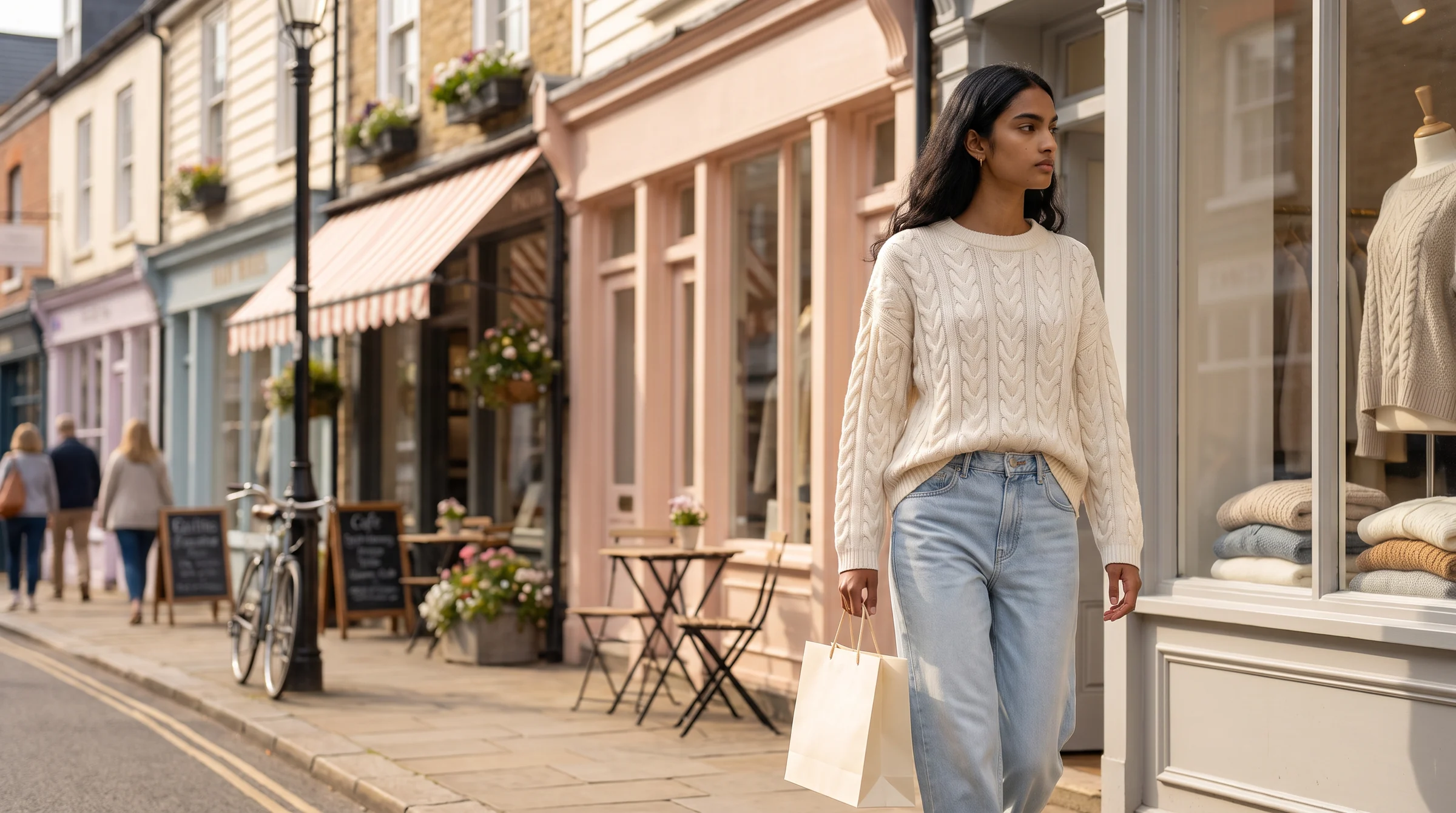
Stock photography solved a real problem. A brand that needed a person in a picture, and had no shoot to give it one, could license an image in minutes. For banners, blog headers and mood shots it became the default.
Fashion has an awkward relationship with it. The people in stock photos are not wearing your clothes. The same images appear on other sites. And the licence that made it easy also sets limits on how the image can be used.
AI fashion models and stock photos solve different problems: stock gives you a picture of someone, while an AI model gives you a picture of someone wearing your garment, cast and lit the way your brand needs.
This guide compares them on what fashion brands actually care about, shows where stock still earns its place, and sets out how to move without disrupting what already works.
What fashion brands use stock photos for
Look at a typical fashion site and the stock-style images fall into a few places: homepage and category banners, blog and newsletter headers, paid social creative, and lifestyle sections on landing pages.
These are mood images. They are meant to say who the customer is and what the brand feels like, rather than to show a product. That is why stock works as well as it does.
It is also the limit. A mood image that does not show your product leaves the sale to another picture further down the page.
Where stock falls short for fashion
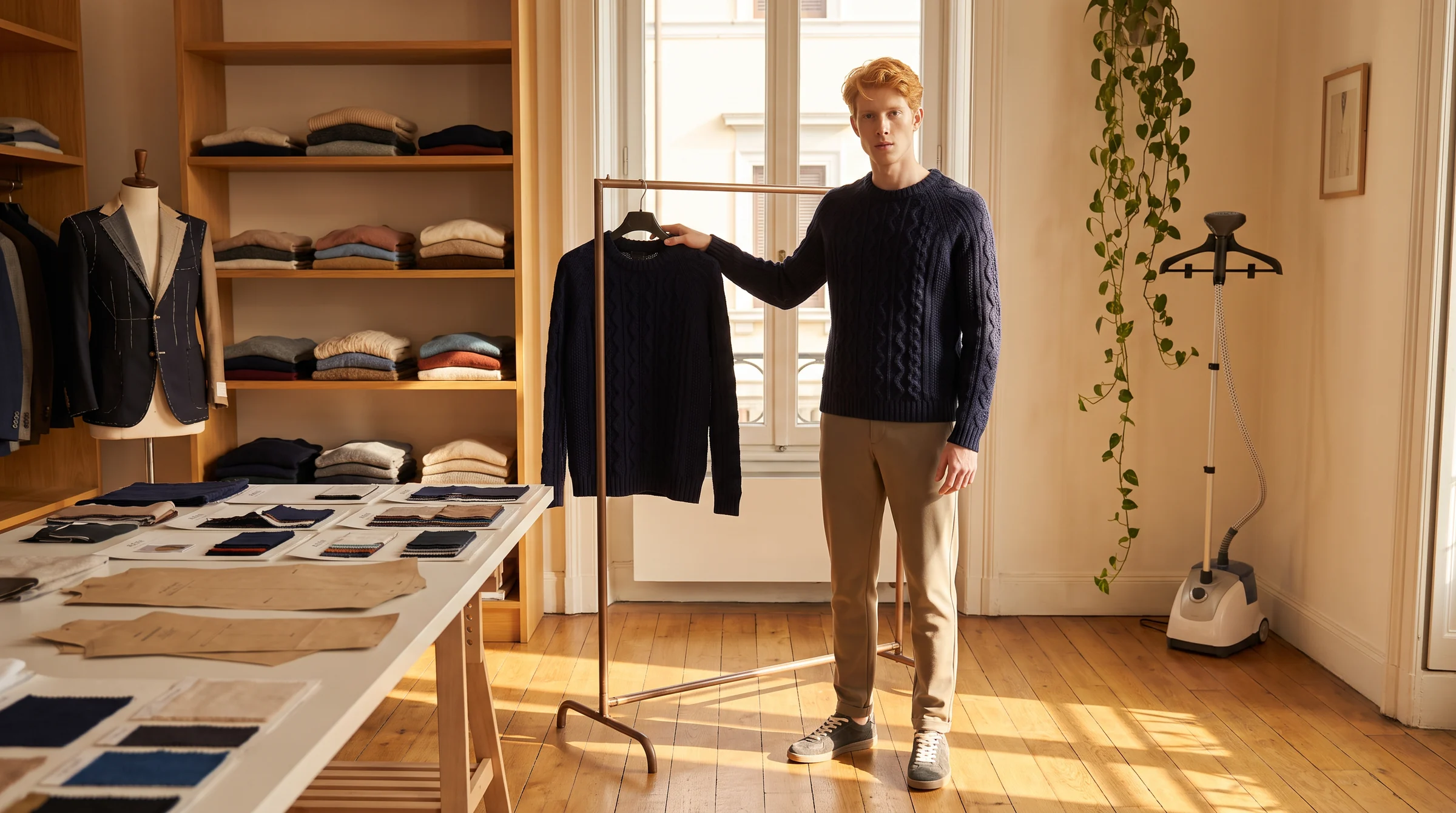
1. The garment is not yours. A model in someone else's clothes sells a feeling. A shopper looking at your product page needs to see your piece, and stock cannot show it.
2. Sameness. Stock licences are typically non-exclusive, so the same image can appear on any site that pays for it. Shoppers notice repeated faces and familiar poses.
3. Limited control. You get the pose, the styling, the season and the setting someone else shot. If your campaign is autumn knitwear and the library has summer, there is nothing to adjust.
4. Licence limits. Terms vary on commercial use, editorial-only images, territories, time limits and use in advertising. Checking them for each image is slow, and mistakes are costly.
5. Weak range. Finding a stock model who looks like your customer in the right setting is harder than the library size suggests.
What AI fashion models change
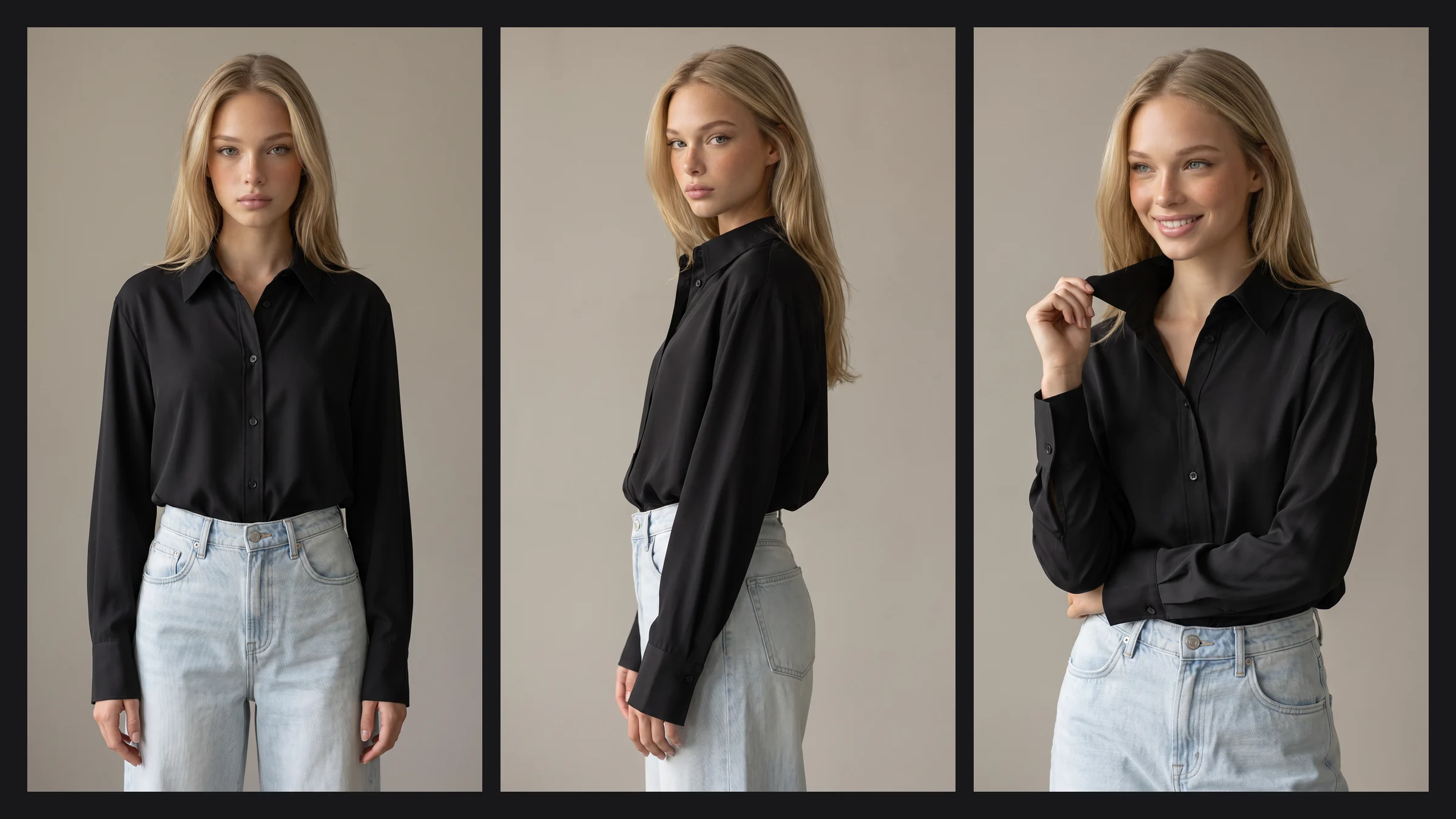
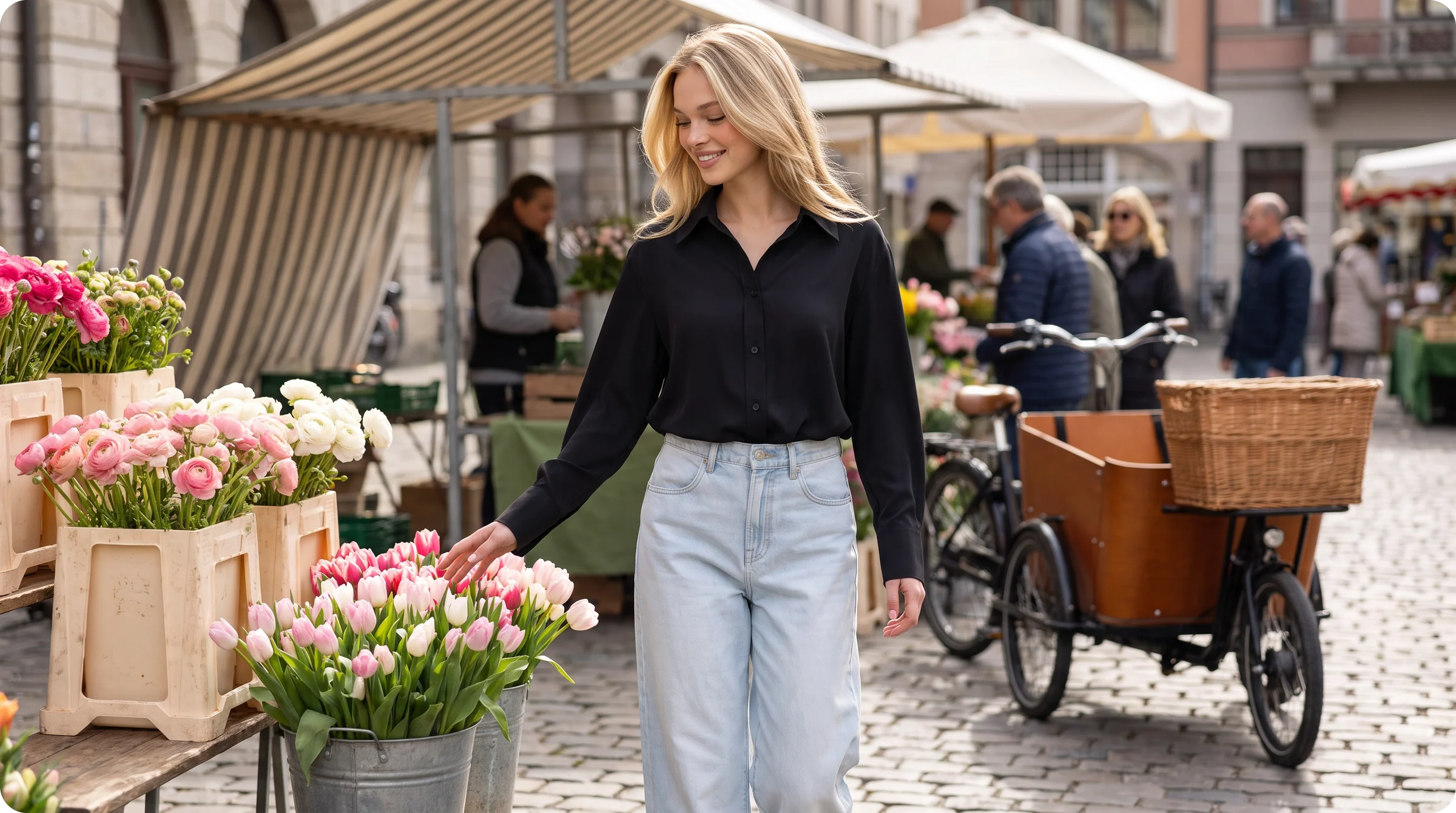
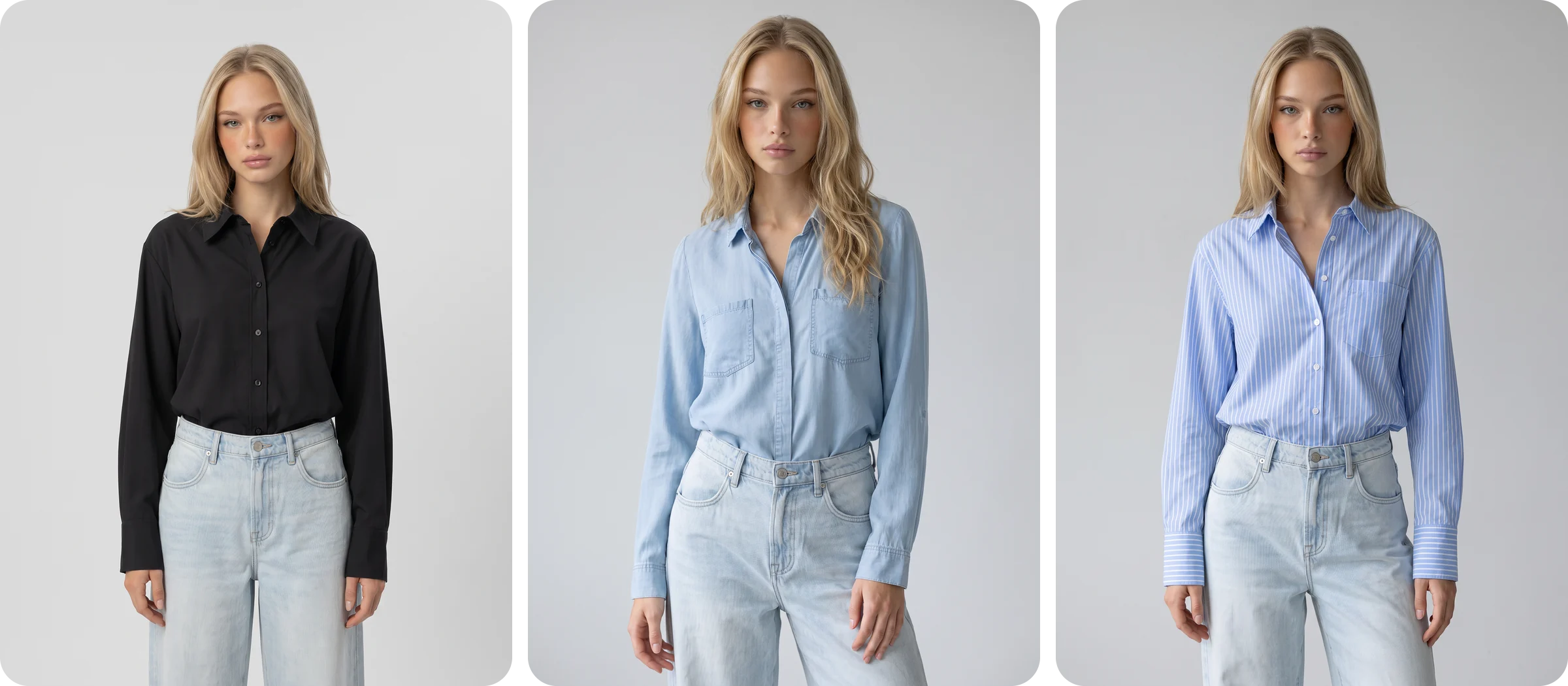
An AI fashion model wears the garment from your own product photo. That alone changes what the image is for: it can be a mood image and a product image at once.
Your garment, every time. Colour, cut and detail come from the real piece, so the same set can serve a banner and a product page.
Control. You choose the model, pose, framing and background, and you can change the setting without a new shoot.
Consistency. One model across a whole range gives a recognisable look, instead of a patchwork from different sources.
Range. Botika's gallery of 150+ models lets you choose by body type, skin tone and market, so a banner can show someone your customer recognises.
Exclusivity, if you want it. Gallery models are available to all brands on the platform, so they share the sameness risk of stock. A custom model is licensed to one brand and exclusive to it while the license is active.
How to compare the real costs
Comparing price per image misleads, because the images do different jobs. A cheaper picture that does not show your product has a lower price and a lower value.
A fairer measure is cost per usable image that shows your garment. For stock that number is effectively undefined, since a stock photo will not show your piece without a shoot to go with it.
For AI, work it out per product: credits used, time to review, any retouching and the shoot you no longer need. One credit makes one photo, and five make one video. The pricing page has current plans.
Include the hidden costs on the stock side too: time spent searching and checking licences, and the cost of the shoots you still need for the product pages.
Where stock still wins
A fair comparison says where the older tool is better.
Real places and events. A genuine street, a market or a landmark is hard to replace.
Candid human moments. Real families, real friendships and real reportage carry weight that generated images may not.
One-off images. If you need a single header, a licence is the simplest answer.
Editorial credibility. A story about a real subject should show a real subject.
The practical position for most brands is a mix, with AI taking the images that need to show the product and stock covering the places and moments it handles best.
How to move without disruption
1. Audit your stock use. List every stock image on the site and sort it by purpose: mood, product-adjacent or place.
2. Start where the product matters. Category banners and landing page sections that sit next to products are the best first swaps.
3. Generate on your own garments. Use your best sellers so the new images and the products reinforce each other.
4. Review at full size. Hands, hems and colour, before anything goes live. Our guide to realistic AI model creation has the routine.
5. Decide your labelling. See our guide to authenticity and disclosure.
6. Keep stock where it earns its place. Do not replace the images that depend on a real place.
Where this is heading
The line between a mood image and a product image is blurring. When the person in the picture is wearing your garment, one image does both jobs, and the question stops being stock or AI. It becomes which images need to show your product at all.
To see the difference on your own range, start with a free trial and compare it with what you use now.
Common questions about AI fashion models and stock photos
Can AI fashion models replace stock photos?
For images that should show your garments, yes. For images of real places or genuine moments, stock or a real shoot is often still the better answer.
Is AI cheaper than stock photography?
The comparison is not like for like. Stock photos do not show your product, so compare cost per usable image that does. Credits and review time cover the AI side.
Can competitors use the same AI model as me?
Gallery models are available to all brands on the platform. If exclusivity matters, a custom model is licensed to your brand alone while the license is active.
Are there licensing problems with AI images?
Check your provider's terms on commercial use, exclusivity and what happens to custom models when you leave. Do the same for stock, where limits on use are common.
Do I still need a photoshoot?
You need a source image of each garment, such as a flat lay or ghost mannequin shot. You do not need a new shoot with models for every product.
Should I label AI images?
In some places you must, and in others it is good practice. Our guide to authenticity and disclosure sets out the current rules.