Fashion brands using AI models: what happened next

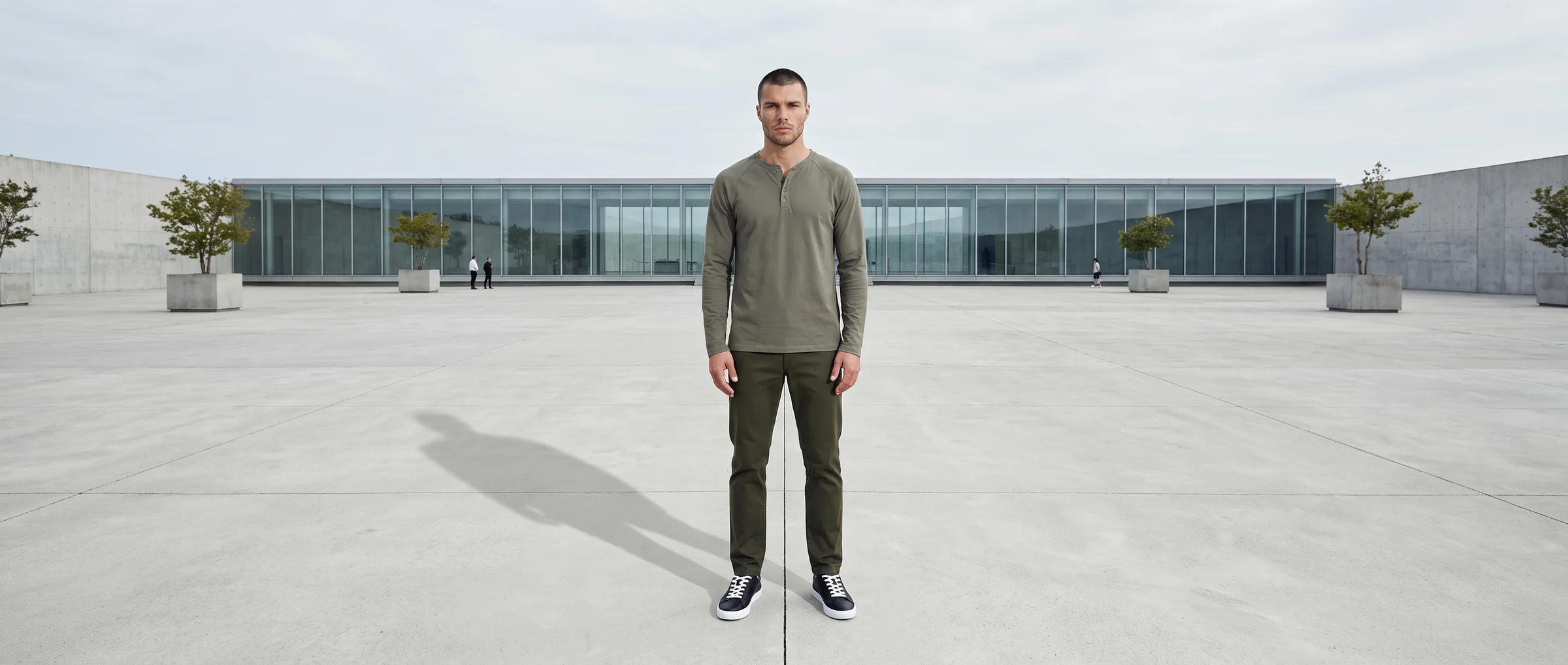
Fashion's biggest names have spent three years trying AI models in public, and the record is now long enough to learn from. Some announcements went quietly. Others became arguments within hours.
Reading them in order shows a pattern. The brands that ran into trouble were rarely criticised for using AI. They were criticised for how: what was hidden, who was left out of the decision and who was paid.
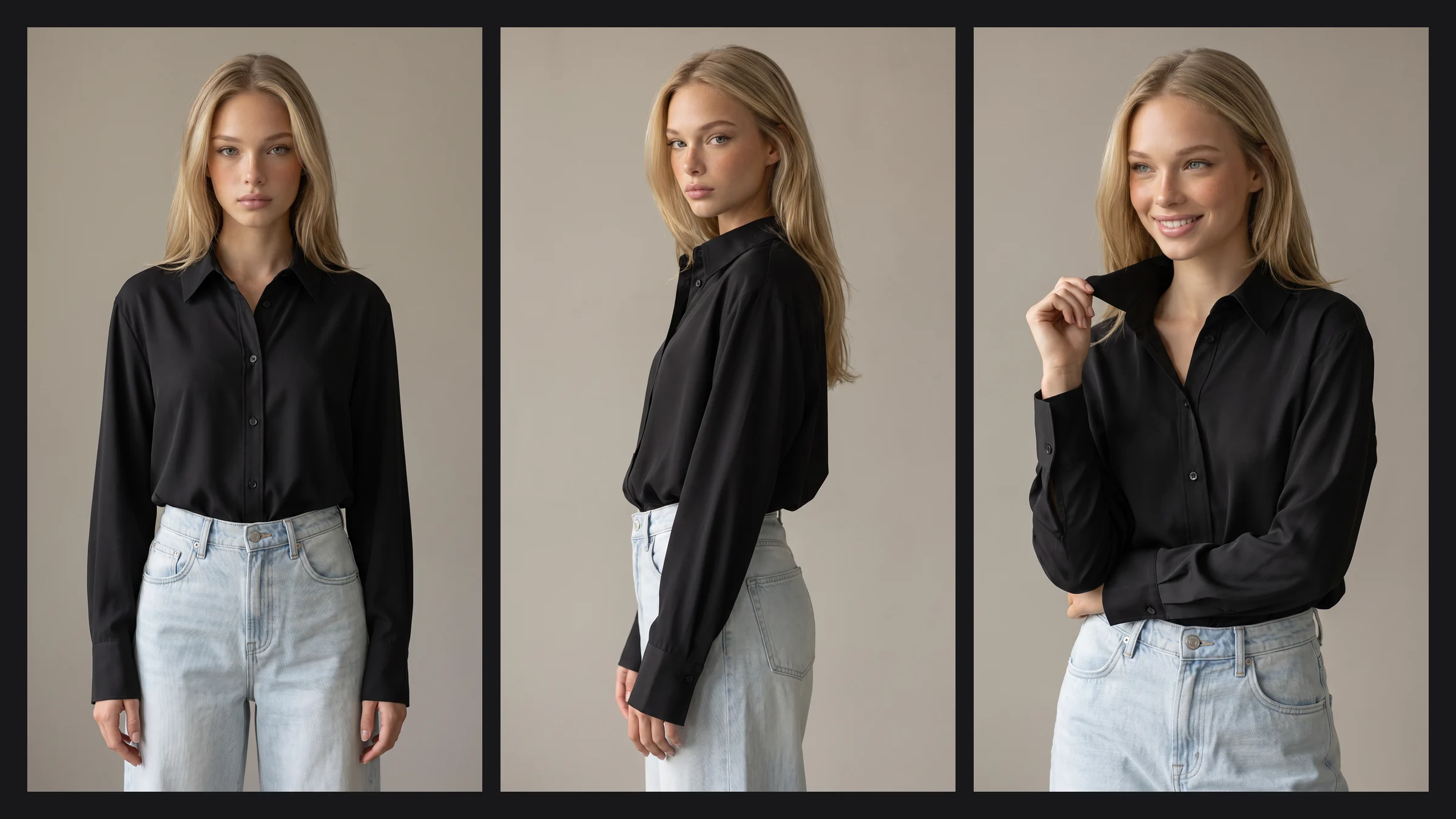
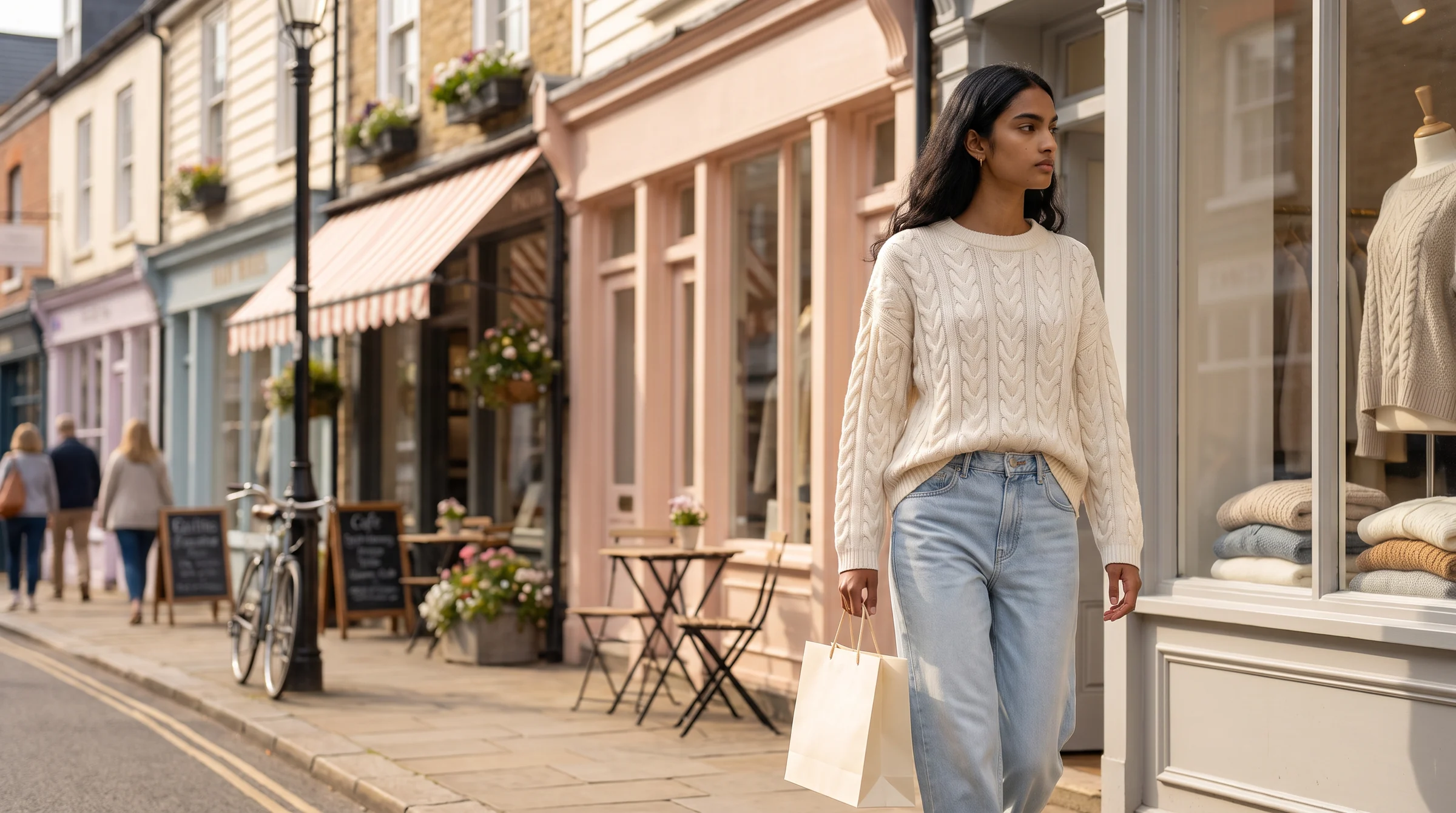
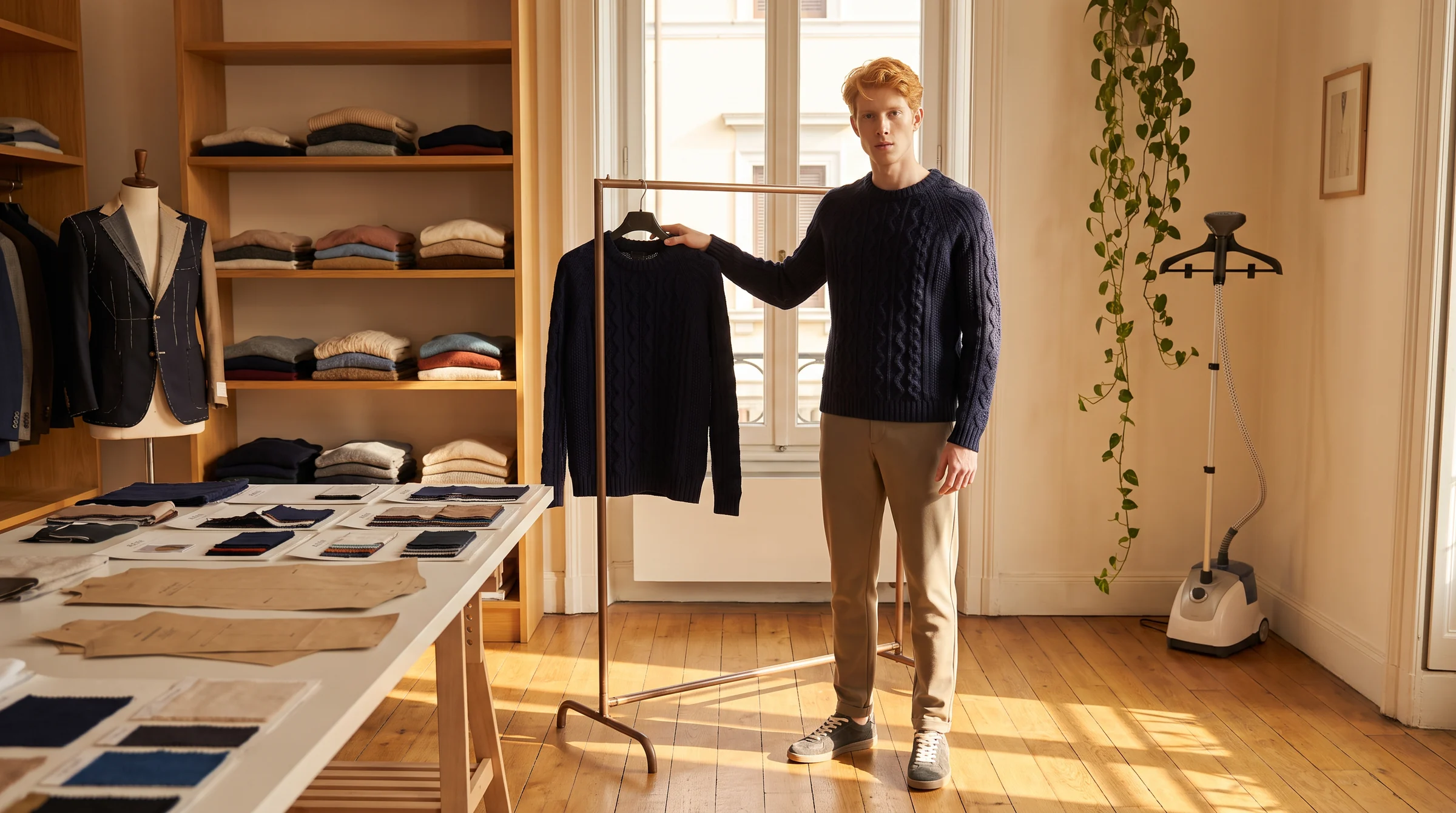
Fashion brands using AI models fall into three broad camps: those that generate fully synthetic models, those that make digital twins of real models with their consent, and those that use AI to extend photos of real models into new outfits. Each raises different questions.
Here is a dated timeline of what happened, followed by what it suggests for brands deciding what to do next.
A timeline of what brands did in public
March 2023: Levi's tests AI models. The denim brand said it would trial AI-generated models to show clothing on more body types, sizes, skin tones and ages, since it typically showed one model per product online. Critics argued the money could pay a more diverse group of real models. Levi's replied that AI would not replace human models or shoots and that it would keep diversifying its human casting.
March 2025: H&M announces digital twins. H&M said it would create AI twins of real models, with 30 models having already agreed. Models keep control over how their twins are used and are paid as they would be for photographs, and the first images were to carry watermarks so people could tell they were AI.
May 2025: Zalando describes its approach. Zalando described a pilot of digital twins, high-fidelity replicas of real models, and said about 70 percent of its editorial campaign assets in the last quarter of 2024 were AI-generated. It stated that humans still handle model scans and creative direction and that AI-supported content is reviewed.
July 2025: H&M publishes its first twin campaign. The first campaign using AI-created twins of its models went out on 2 July.
August 2025: Guess in Vogue. An advertisement in American Vogue used AI-generated models made by an AI marketing agency. The disclosure was a small line in the corner, and it drew a wave of criticism on social media, with some readers calling for boycotts. A Guess co-founder was reported as calling it a creative experiment and saying human models would stay central to the brand.
December 2025: Zara and its models. Reuters reported that Zara had begun using AI to create new images of real models wearing different outfits. Zara's parent company said it uses AI only to complement existing processes and that it works with models collaboratively and pays in line with industry practice.
2026: the rules arrive. New York began requiring disclosure of synthetic performers in advertising in June, and the EU's transparency duties for AI-generated content apply from August. Our guide to authenticity and disclosure covers both.
What the pattern shows
1. Consent and pay are now part of the story. H&M and Zara both described how real models are paid and asked. When a brand does not say, people assume the worst.
2. A hidden label is worse than a visible one. The criticism of the Guess advertisement focused on a small line that many readers missed. H&M, by contrast, announced its plans with consent terms and watermarks up front.
3. Nobody dropped human models. Every brand above described AI as a complement. The shift is in the mix, not a replacement.
4. The use case matters. Zalando talks about speed across editorial content. H&M and Zara focus on extending shoots with real people. Levi's focused on showing range. Each carries different risks.
5. Regulation is catching up. What was a reputational question in 2023 is a legal one in some markets in 2026.
Three routes, and where Botika fits
Fully synthetic models. Generated from scratch, with no real person behind them. Botika's gallery of 150+ models works this way, which means no likeness to license and no real person whose rights need managing.
Digital twins of real models. A brand's own talent, copied with release forms signed by the brand and the model. Botika supports this as a private form of custom model.
AI-extended photos of real models. Real shoot photos changed to show new outfits. This is the route the biggest brands are exploring with their own shoots, and it depends on agreements with the people photographed.
For most brands the practical question is the first two. A gallery model is the quickest way to start, and a custom model is the route when exclusivity or a particular face matters.
What comes next
Four shifts look likely over the next year or two.
Labels become normal. With rules in force in two large markets, a brand that discloses early will meet fewer surprises than one that waits to be asked.
Likeness rights become a standard clause. Contracts with real models will say what AI use is allowed and how it is paid, as H&M's did.
Hybrid becomes the default. Human shoots for ideas and place, AI for the volume around them, with people reviewing the result.
Measurement replaces opinion. Brands will compare conversion and returns with and without AI imagery rather than arguing in the abstract. Our guide to whether shoppers notice AI fashion photos shows how to run that test.
If you want earlier examples, our piece on the competitive edge of fashion brands using AI models covers the first wave.
Where this is heading
The brands that have done this in public have taught the rest of the industry what to do and what to avoid. Decide how you will treat people, how you will describe the work and how you will check it, and the rest is execution.
Common questions about fashion brands using AI models
Which fashion brands use AI models?
Several large retailers have said so publicly, including H&M, Zalando, Levi's, Guess and Zara. They use AI in different ways, from digital twins of real models to fully generated ones.
Do big brands tell customers when images are AI?
Some do. H&M said its first twin images would carry watermarks. A small line in a Guess advertisement drew criticism because many readers missed it, and new rules in the EU and New York now make disclosure a legal question in some cases.
Have any brands stopped using human models?
None of the brands above has said so. Each described AI as complementing human shoots, not replacing them.
What is a digital twin of a model?
An AI copy of a real model, made with their consent. In H&M's programme, models keep control over how their twin is used and are paid as for photographs.
Is it a risk for a smaller brand to use AI models?
The risks are the same as for large brands: accuracy, honesty about how images were made and treatment of real people. A clear label and a careful review step cover most of them.
Where should a brand start?
With a small set of products, a review at full size and a decision about labelling. The on-model product is built for that first step.