AI fashion imagery cost efficiency explained
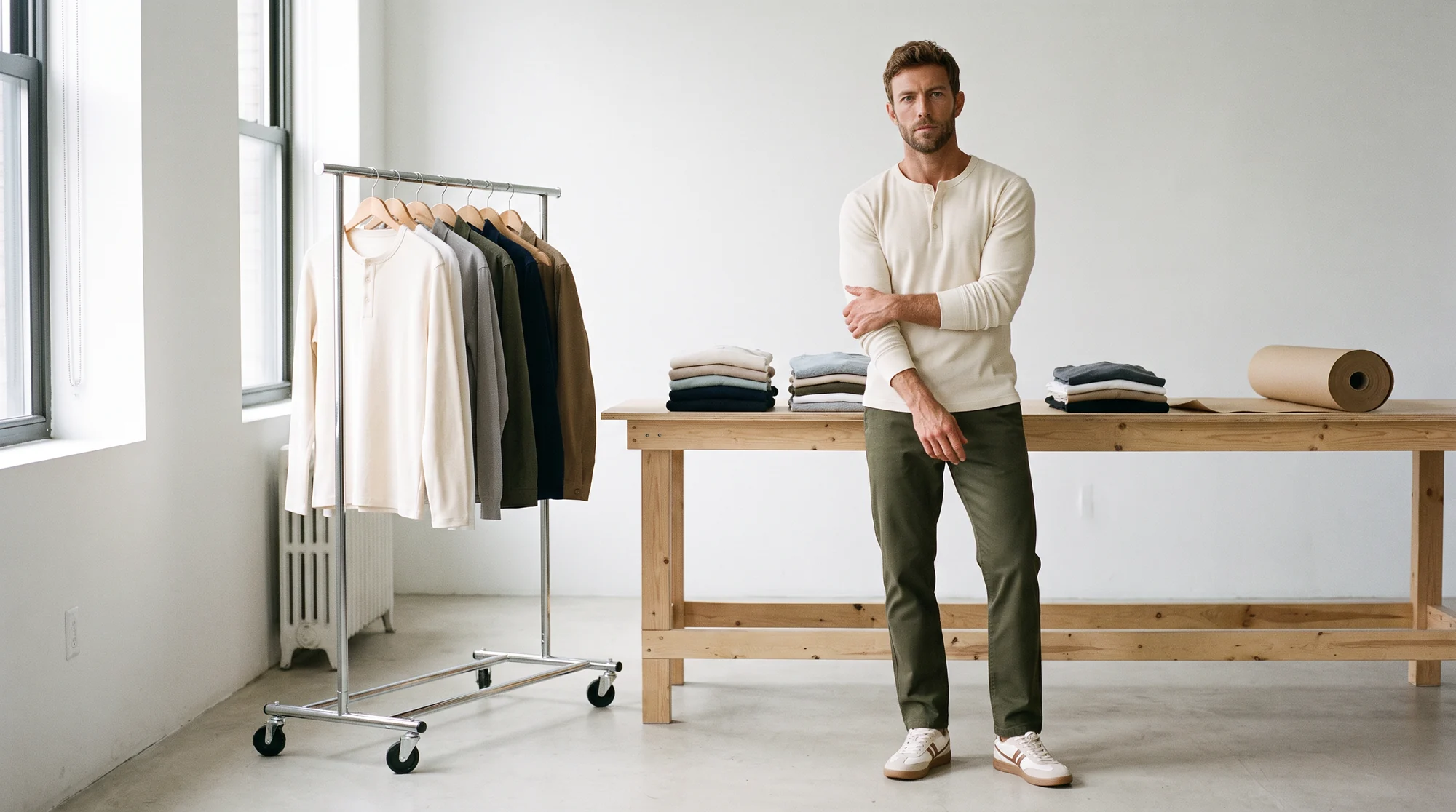
Ask a fashion brand what a photoshoot cost and you will get an invoice in seconds. Ask what it cost to get one product live, with images, on the site, ready to sell, and the answer gets vague. That gap is where most of the real cost hides.
Photography is rarely the only expense. There is the sample that has to travel, the day that has to be booked, the colorway that arrives after the shoot, and the weeks the product sits unsold while the pictures catch up. None of that shows up on the studio quote.
AI fashion imagery cost efficiency is the fall in the total cost of each live product image when on-model photos are made from garment photos a brand already has, instead of booking a new shoot for every drop. It is a measure of cost per live product, not cost per frame.
This guide explains how to measure it, where the savings come from, what quietly erodes them, and how to test it on your own catalog before you change anything.
Why the invoice is the wrong number
A shoot invoice measures what you paid for a day. It does not measure how many products went live because of it, how long they waited, or how many had to be photographed again.
That matters more every year. The US Census Bureau estimates that e-commerce reached $340.2 billion in the second quarter of 2026, 17.1% of total retail sales. For a growing share of shoppers, the product page is the store, and every product without good images is a product without a shopfront.
So the useful question is not what the shoot cost. It is what each live product cost, and how long you waited to sell it.
The four places the money goes
Whatever the method, producing on-model imagery spends money in four places. Seeing them separately makes it clear which ones change when AI is involved.
Sample logistics. Garments are packed, shipped, steamed, tracked and sometimes damaged. This is staff time and courier cost, and it repeats every season.
The production day. Studio, photographer, model, stylist, hair and makeup. A fixed cost that is paid whether the day produces forty usable frames or twelve.
Post-production. Selection, retouching, background clean-up and exports. It is slow, often outsourced, and it scales with the number of images.
Waiting. The time between a product being ready and a product being live. It has no line on any invoice, and it is often the largest cost of all.
Most quotes show only the second item. A finance team that wants the true figure adds all four and divides by the products that went live. The result is usually higher than anyone expected, and it is the number any alternative has to beat.
Where AI changes the arithmetic
The main shift is from a fixed cost to a variable one. A shoot day is paid up front. On-model images made from existing product photos are paid for as they are produced, so a small drop costs less than a large one and nothing is paid for idle studio time.
The second shift is speed. Fewer steps sit between a finished garment photo and a live page: no sample trip, no booking, no retouching queue. At Botika, processing takes about 15 minutes per photo, with no daily upload cap.
Large retailers report the same direction of travel. Zalando told Reuters that generative AI cut the time to produce imagery from six to eight weeks to three or four days, and reduced costs by 90%, with around 70% of its editorial campaign images AI-generated in late 2024. Those are one retailer's figures, not a promise for any other brand.
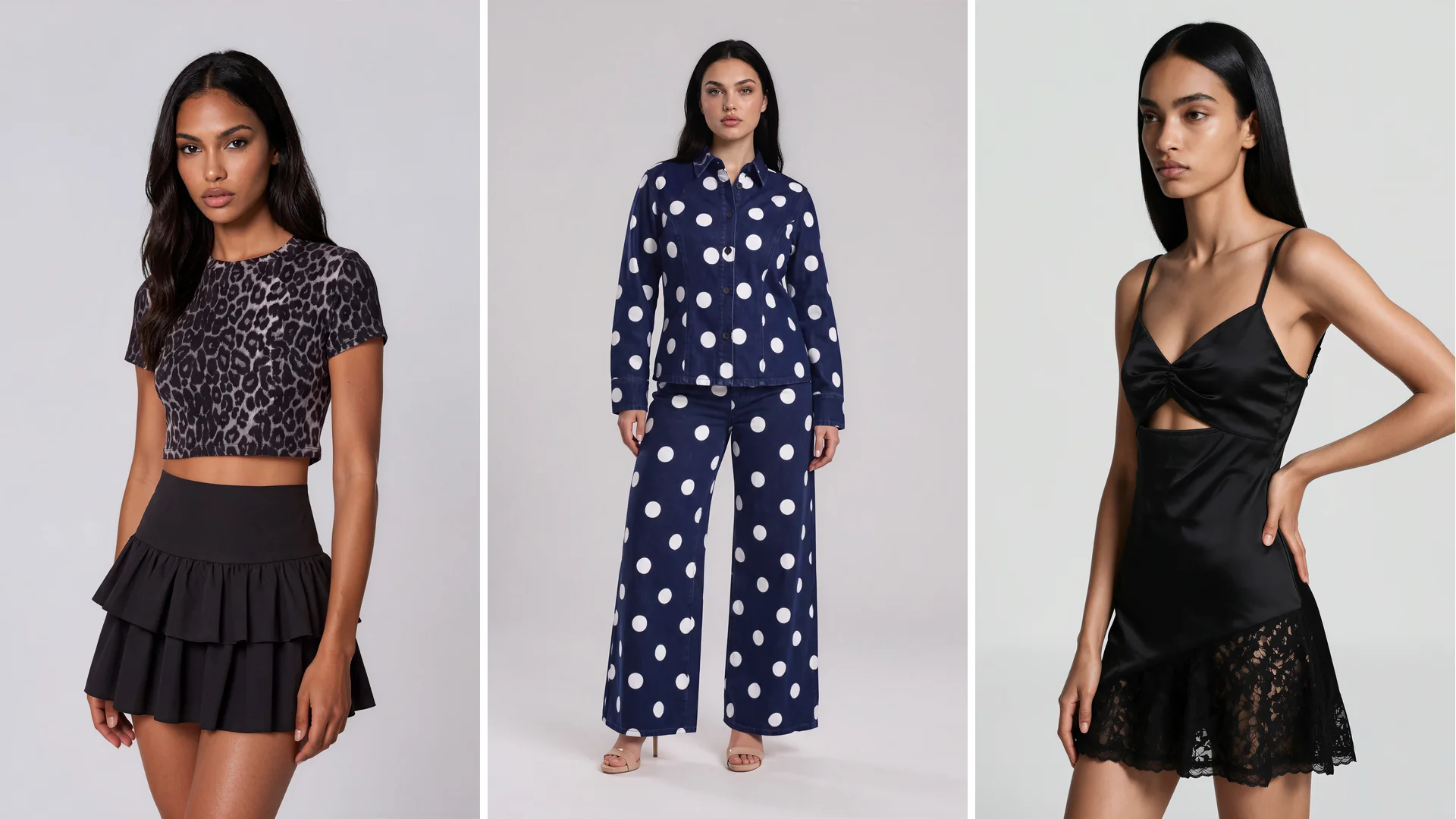
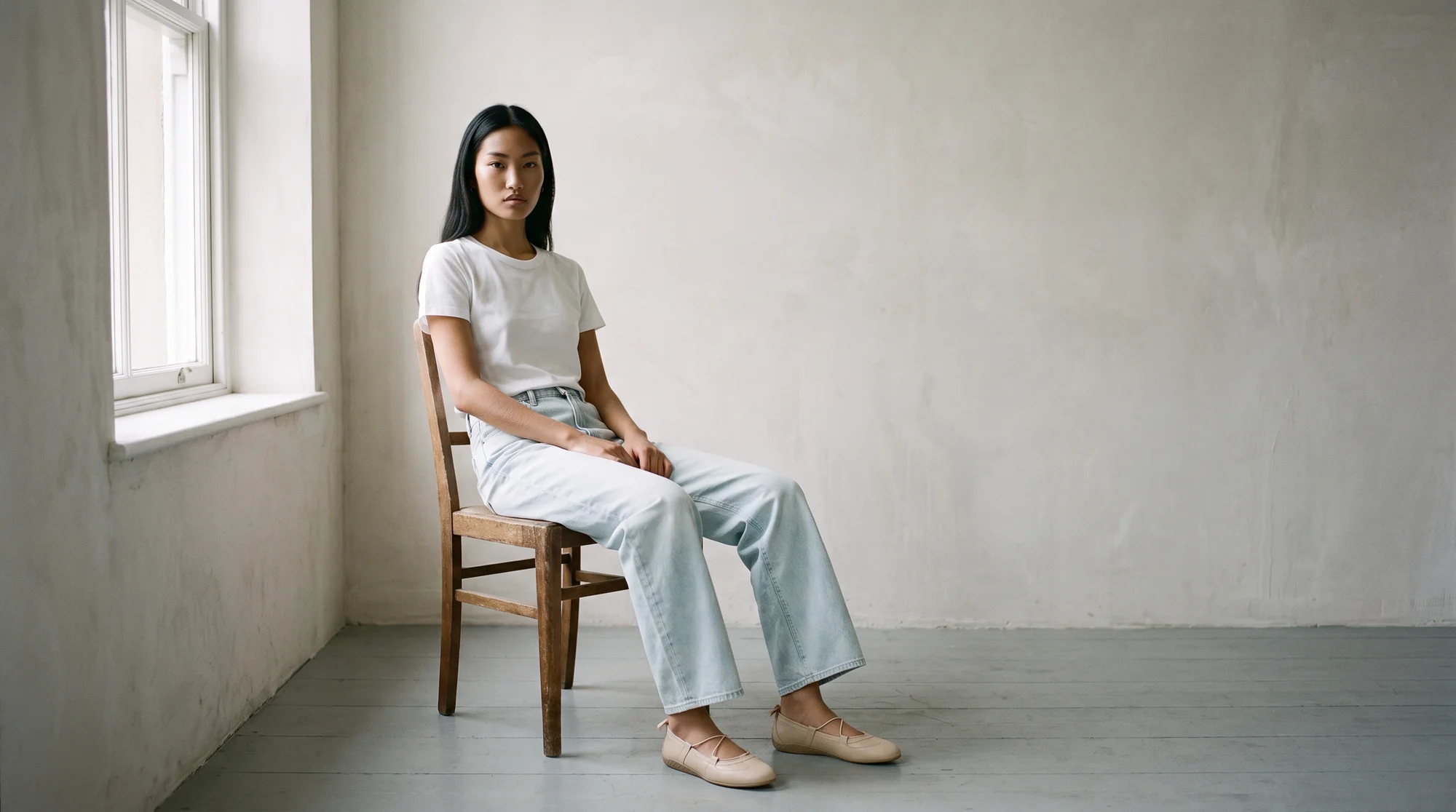
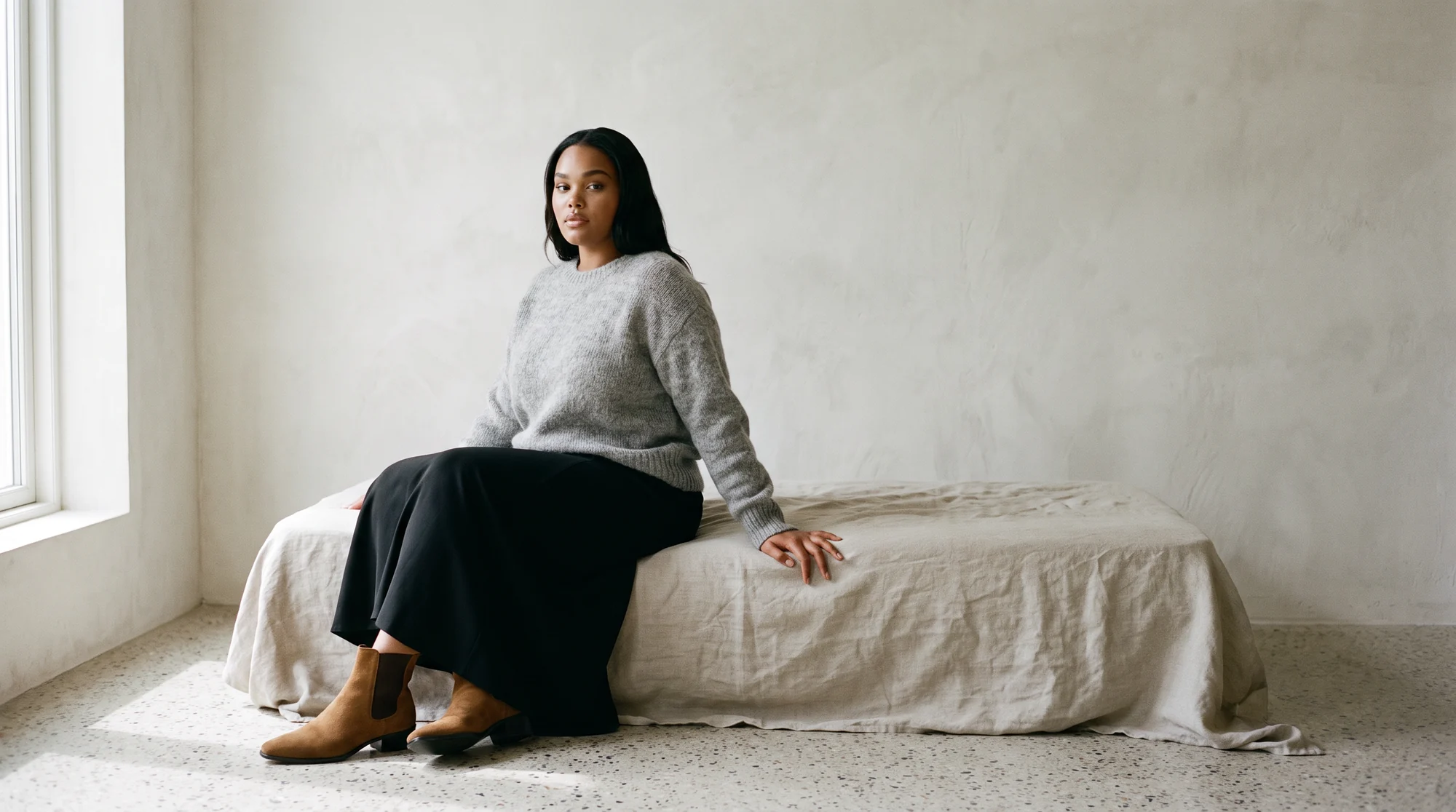
Variants are where fixed costs hurt most. A new colorway or a second market needs the same garment on a person again. With on-model images made from garment photos, another colorway is another photo rather than another day, and showing the range on different models for different regions does not need a second production.

Seven things that decide whether you save
The saving is real only if the images are good enough to publish. These seven factors decide whether a pilot ends up cheaper or just different.
1. Source photo quality
Output starts from your input. A steamed garment, even light and the full length in frame produce images that need no rework. A creased, badly lit photo produces rework.
2. Garment fidelity
Fabric, print and construction must match the real product. Every inaccurate image is a correction now and a possible return later.
3. A review step
Someone should check every image at full size before it goes live. On managed accounts, Botika Creative Ops reviews and retouches each visual first.
4. Consistent casting
Using the same model across a range avoids a patchwork catalog and the rework that follows. Our guide to consistent models covers why shoppers respond to it.
5. Volume and cadence
The more products and colorways you launch, the more a variable cost helps. A single hero shoot a year gains little.
6. Returns
Accuracy shows up downstream. The National Retail Federation reports that retailers expect 15.8% of annual sales to be returned in 2025, so an image that misleads is expensive.
7. What you keep paying for
Some shoots still earn their cost: flagship campaigns, brand films and anything built around a real person. Efficiency means moving the repeatable work, not removing the shoot.

How to calculate your own cost per live product
You do not need a model for this. You need last season's numbers and a pencil.
Add up everything spent to get one drop live: studio, talent, styling, sample shipping, retouching, and the internal hours of whoever coordinated it. Divide by the number of products that went live. That is your cost per live product.
Then measure the delay. Count the days between a product being ready to sell and being live with full images. Multiply by the products waiting. This is the cost that rarely gets counted.
Keep one more number: the share of images that were rejected or redone. Rework is the quiet drain in every method, and it is the figure most likely to change your conclusion.
Repeat the calculation for an AI pilot on a similar group of products, counting credits, review time and any rework. Compare the two on the same basis: cost per live product and days to live.
What a first pilot looks like in practice
Pick one category, such as tops or basic knitwear, and choose ten products from the last drop. Photograph them as you normally would for a catalog: flat lay or ghost mannequin, steamed, evenly lit, full length.
Set the pass mark before you begin. For example, decide that at least eight of the ten images must be publishable with no fixes, and that none may misrepresent the garment. A rule written in advance stops a pilot from being judged on enthusiasm.
Run them through the platform and review each image at full size next to the real garment. Note how many needed fixes. That rework rate is the figure that turns a promising demo into a decision.
Keep the same model and settings throughout. Our guide to flat lay to on-model conversion shows how to prepare the source photos.
Botika is the AI operating system for fashion content, built for brands that need on-model imagery to a dependable standard. It works from flat lays, ghost mannequin shots and existing photos, including cropped and headless ones, and produces on-model photography, ghost mannequin conversion and video, at up to 4K depending on the plan.
Brands on Botika cut production costs by 90%, move from sample to live 10x faster, and lift conversion by 40%. One credit makes one photo and five make one video, and unused credits roll over while the subscription stays active.
Common questions about AI fashion imagery cost efficiency
What is AI fashion imagery cost efficiency?
It is the reduction in the total cost of each live product image when on-model photos are made from existing garment photos instead of a new shoot. It is measured per live product, including delays and rework, not per frame.
How do I calculate cost per live product?
Add every cost of a drop (studio, talent, styling, shipping, retouching and internal hours) and divide by the number of products that went live. Then count the days each product waited for images before it could be sold.
Is AI fashion imagery cheaper than a photoshoot?
Often, for repeatable work such as catalog images across many products. The honest answer comes from your own numbers, so run the calculation on a real drop rather than relying on a general figure.
Which costs do not go away?
You still need a clean photo of each garment, a review step, and a budget for campaign work that depends on real people or locations. AI removes the repeatable part of the work, not the creative decisions.
How does image accuracy affect cost?
Inaccurate images lead to rework before launch and returns after it. Checking fabric, print and construction against the real garment is the cheapest quality control you have.
How do credits work at Botika?
One credit makes one photo and five make one video. Unused credits roll over for as long as the subscription stays active, which suits brands whose volume follows the season. See the pricing page for current plans.
Where this is heading
As more brands count cost per live product instead of cost per shoot, the conversation moves from whether AI is cheaper to how quickly a range can be selling. Speed to a finished page becomes the number that matters.
See the model gallery, read our guide to choosing a virtual model studio, or start with a free trial.