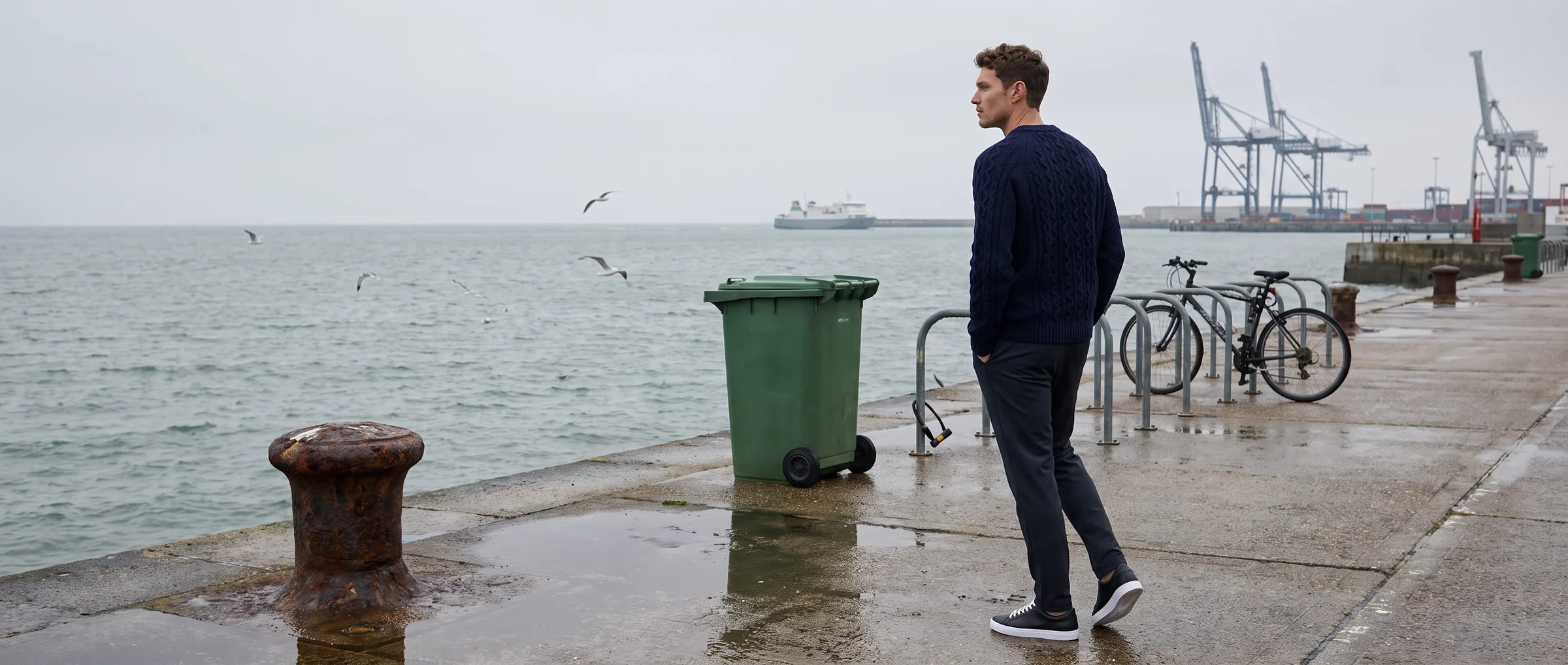
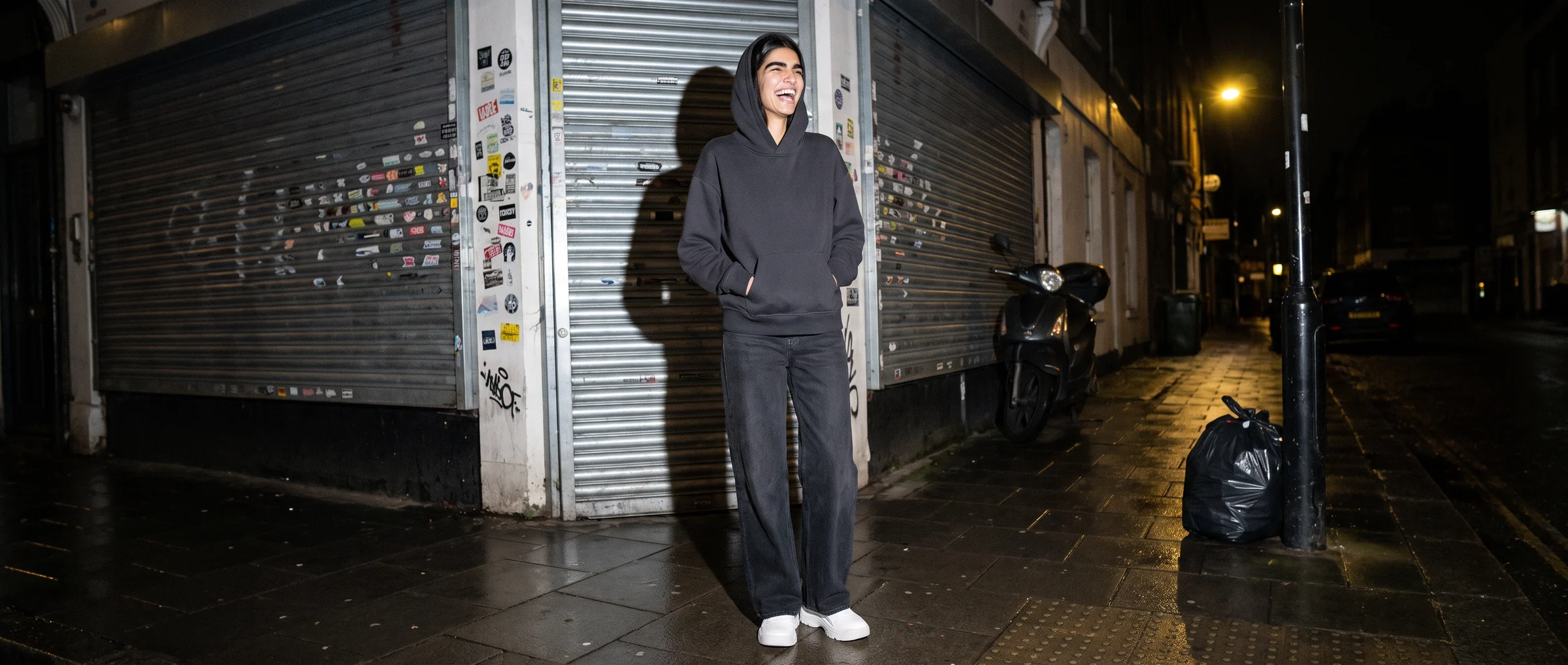
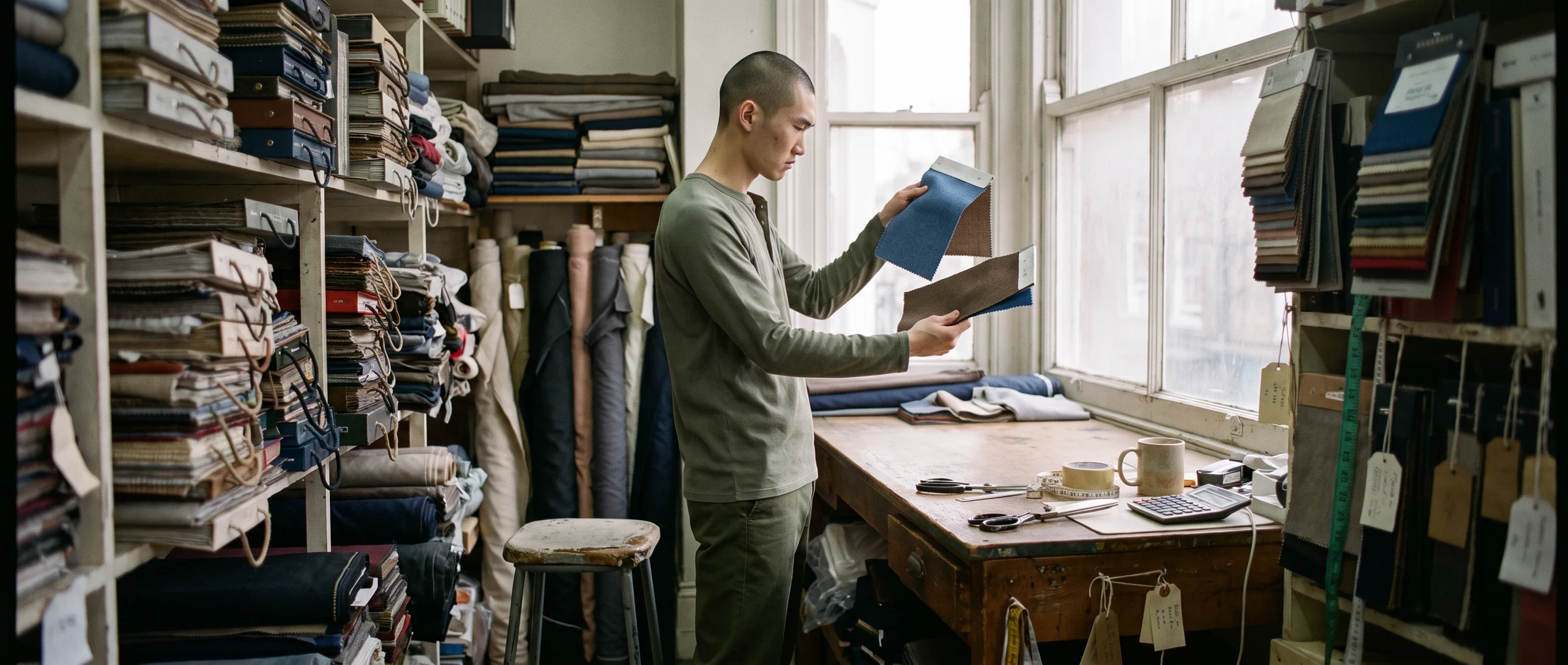
Generative AI in fashion: The 2026 playbook for eCommerce brands


Fashion has always moved fast. What changed is how much a brand has to produce to keep up.
One collection now needs shots for the product page, a handful of paid ads, an email, and whatever the social team is asking for this week. And it's all due before the stock even reaches the warehouse.
For most teams, the hold-up isn't the design or the factory anymore. It's the photography.
That's the job generative AI has quietly taken over. Here's what it means in practice: you take a photo you already have, a flat lay or a mannequin shot, and AI turns it into an on-model image. No casting, no studio booking, no shoot day.
The brands doing this well are shipping imagery in step with their drops instead of weeks behind them. It isn't a fringe experiment either. Plenty of established retailers and ecommerce labels already build AI imagery into how a collection ships, several of them further down this page.
Adoption isn't even, though, and that's worth knowing before you plan anything. Ecommerce-first and mid-market brands have jumped in fastest, because they feel the cost and the clock most. Luxury houses are more cautious, and fairly so, when a visual identity took years to build.
This piece is for the brand somewhere in between, trying to work out what the technology actually does and how to use it without gambling the brand on it.
Why these brands are pulling ahead
Imagery is usually the slowest, priciest stretch between a finished sample and a live product page.
A shoot means lining up models, a photographer, a stylist, and a space, then waiting on edits that land weeks after the sample did. By then the launch window is half gone.
And that imagery is doing the actual selling. High-quality product images lead the list of what fashion shoppers say matters most, ahead of price or description.
For clothing it goes further, because size, fit, or color is the leading reason an order comes back. Judging any of them means seeing the piece on a real body. That's exactly what an on-model shot gives them, and exactly what a flat lay can't.
AI collapses the timeline. Upload the garment, pick a model, get a usable on-model image back in minutes.
Once imagery stops being the bottleneck, the way a team works changes. You can test more products, refresh tired listings, and chase what's actually selling, instead of locking a shoot schedule months out and hoping you guessed right.
Where it fits in a real workflow
| Use case | What it replaces | Input you need | Typical output |
|---|---|---|---|
| Product page imagery | An on-model shoot per style | A flat lay, packshot or mannequin shot | On-model stills in the ratios each placement needs |
| Colourway variants | A reshoot per colour | One photo per colourway | Matching on-model images across the run |
| Model diversity | Additional casting and booking | The same single product photo | One garment across several model types |
| Lookbook and campaign | A location shoot for the full range | Source images for every look | A consistent styled set across the collection |
| Paid social creative | A production cycle per test batch | An existing product image | Multiple variants for testing |
| Product video | A separate video shoot day | An on-model still | A short clip of the garment in motion |
Generative AI isn't one button. It's a few different jobs.
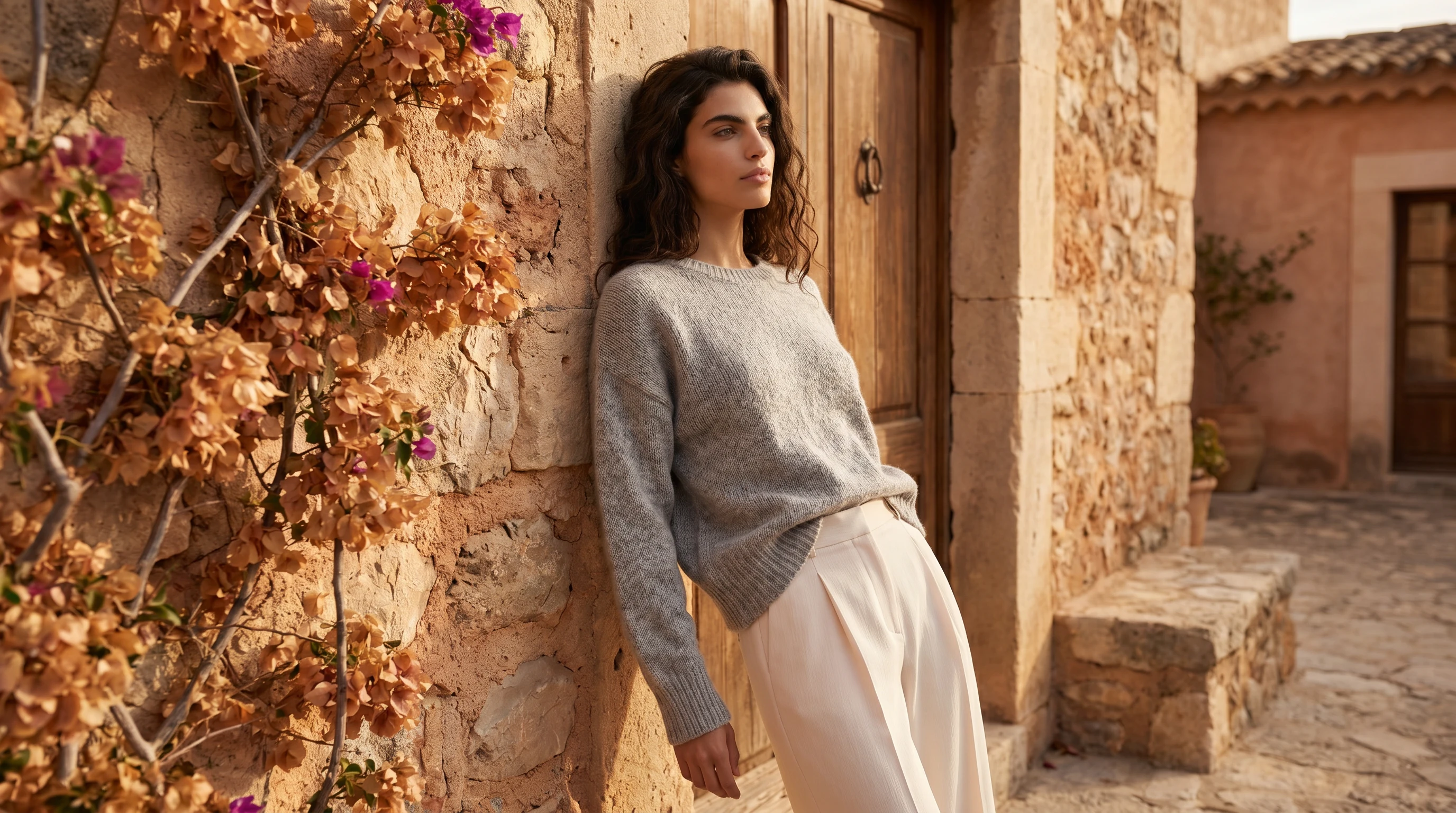
Most teams start at the product page, since that's where good imagery moves the needle on conversion. You feed in a flat lay or a ghost mannequin shot and get a finished on-model image without booking anything.
It grows from there. Run the same product across a range of models, different skin tones, ages, and body types, so a shopper in one market sees someone who looks like them.
It's not only stills, either. A flat product photo can become a short video for a PDP or a social slot, the kind of motion clip that used to mean its own production.
The pattern is hard to miss. Pretty much anywhere a brand used to book a shoot, there's now a faster route to the same image.
The business case
Strip away the technology and the reasons brands adopt this come down to a handful of outcomes a fashion team actually feels day to day.
1. Speed from sample to storefront
This is the one teams notice first. No studio slot, no waiting on edits. The sample lands and the imagery can be ready the same day, so you start selling in the window you used to forfeit.
2. Consistency across the catalog
One sharp image is easy. The trick is making your five-hundredth product look like it belongs next to your first. Shoot by shoot, the lighting shifts and the crew changes and the catalog slowly drifts. AI keeps the look steady across every SKU, so the store reads as one brand instead of fifty sessions.
3. Diversity without more shoots
Putting products on models who reflect your customers used to mean more casting and more budget. Now a single garment can appear on several model types for no extra production. It's better representation, and it's a head start when you expand into a new market.
4. Cost that scales down, not up
Traditional photography gets more expensive with every collection. AI swaps most of that out for a self-serve workflow. Cuts of up to 90 percent in content production cost are on record, with visuals improving rather than degrading.
5. Time back for the creative team
When imagery stops being a scramble, your best people stop playing logistics coordinator. The hours that went to scheduling and chasing retouchers go back into merchandising and the ideas you can't buy off a shelf.
6. A faster way into new markets
Launching in a new region usually means fresh imagery for a local audience, which is slow and costly enough that brands put it off. Generate market-specific visuals on demand and you can show up looking native from day one instead of backfilling later.
7. A lighter footprint
Every shoot has a cost beyond the invoice: flights, shipped samples, sets built and torn down. Move a real chunk of imagery to a digital workflow and that footprint shrinks, which is something more customers and sustainability targets now expect brands to track.
How to bring it in
The teams that get the most out of this start with good inputs. A clean flat lay or mannequin shot of the actual garment gives the AI something real to work from, and the results show it.
Then run a small pilot. Take one collection from upload to live page and measure it against your current imagery. That tells you more than any sales demo.
Quality is the thing to watch, and it's where platforms separate. The output has to hold up on fabric texture, print, drape, and fit, every time, not just in the cherry-picked examples.
Botika runs its AI alongside a dedicated QA and retouching team that reviews what comes out. That mix of generation and a human eye is what lets you publish without squinting at every frame.
Roll it out like a process, not a switch. Start where speed or volume hurts most, prove the quality and the conversion lift there, then widen it across the catalog and into campaign work.
Where this is heading
Generative AI in fashion has moved from experiment to part of how a collection gets made. The brands winning with it lead on quality, protect their look across the catalog, and trust the workflow because someone is actually checking the output.
Speed and savings follow from that. They're the result, not the reason to start.
The shift reaches past the product page, too. More shopping now starts inside AI-powered search and overviews, where clear, consistent, well-made imagery is part of what gets a brand surfaced and named.
For most brands the question isn't whether AI imagery is good enough anymore. It's whether you can afford to keep making visuals the slow way while the brand down the street doesn't.
If you're weighing it up, see how we build on-model imagery from photos you already have, or start a free trial and put it to work on your own products.
Common questions about generative AI in fashion
What is generative AI in fashion photography?
It is the use of AI to create fashion imagery, typically on-model photos, from assets a brand already owns, such as flat lays or mannequin shots, rather than commissioning a studio shoot. Because the technology is built for ecommerce, it preserves the garment's real fabric, fit, and branding.
Is AI-generated fashion imagery good enough to publish?
It is, when the platform is built for fashion and a human reviews the output. Brands running AI imagery on live product pages see conversion numbers that justify it.
How much does it actually cut photography costs?
It depends on volume, but cuts of up to 90 percent are on record, because you drop model bookings, studio rental, the photographer, the stylist, and most of the retouching.
How fast is it next to a real shoot?
Minutes, from a product photo you already have, against the weeks a full shoot cycle takes.
Will it keep my product details right?
A fashion-specific platform like Botika is trained to hold fabric texture, print, drape, fit, and logo placement, and a QA team checks the output before it reaches your store.
How do brands keep it on-brand at scale?
It comes down to three things: controlled generation, a clear visual standard, and quality control processes across the catalog. Drift tends to creep in once you are past a few hundred products, so the discipline is keeping your five-hundredth image looking like it belongs with your first.