AI fashion design tools vs product imagery: Where each one fits

Search for AI tools for fashion and you get two categories of software wearing one label. They sit at opposite ends of the product lifecycle, they are bought by different teams, and confusing them wastes real money.
One group helps you decide what to make. The other helps you sell what you already made. Both get called AI fashion tools, and vendors on each side describe themselves in language borrowed from the other.
This guide draws the line clearly: what design tools do, what product imagery tools do, which questions each answers, and how to tell which one your problem actually needs.
Design tools: deciding what to make
This category covers 3D garment construction, pattern making, digital sampling and fit simulation. The software builds a garment that does not physically exist yet, on a parametric body, from measurements and pattern pieces.
The buyer is a design, technical design or product development team. The value is in reducing physical samples, shortening the development cycle, and getting fit right before anything is cut.
Output is a 3D asset, a pattern file, a tech pack. It is engineering data more than photography, and it lives in the workflow long before anything reaches a website.
Crucially, you cannot photograph a listing with it. The garment in the file is a simulation of a garment you are still deciding whether to produce.
Product imagery tools: selling what you made
This category starts where the first one ends: with a garment that physically exists and has been photographed.
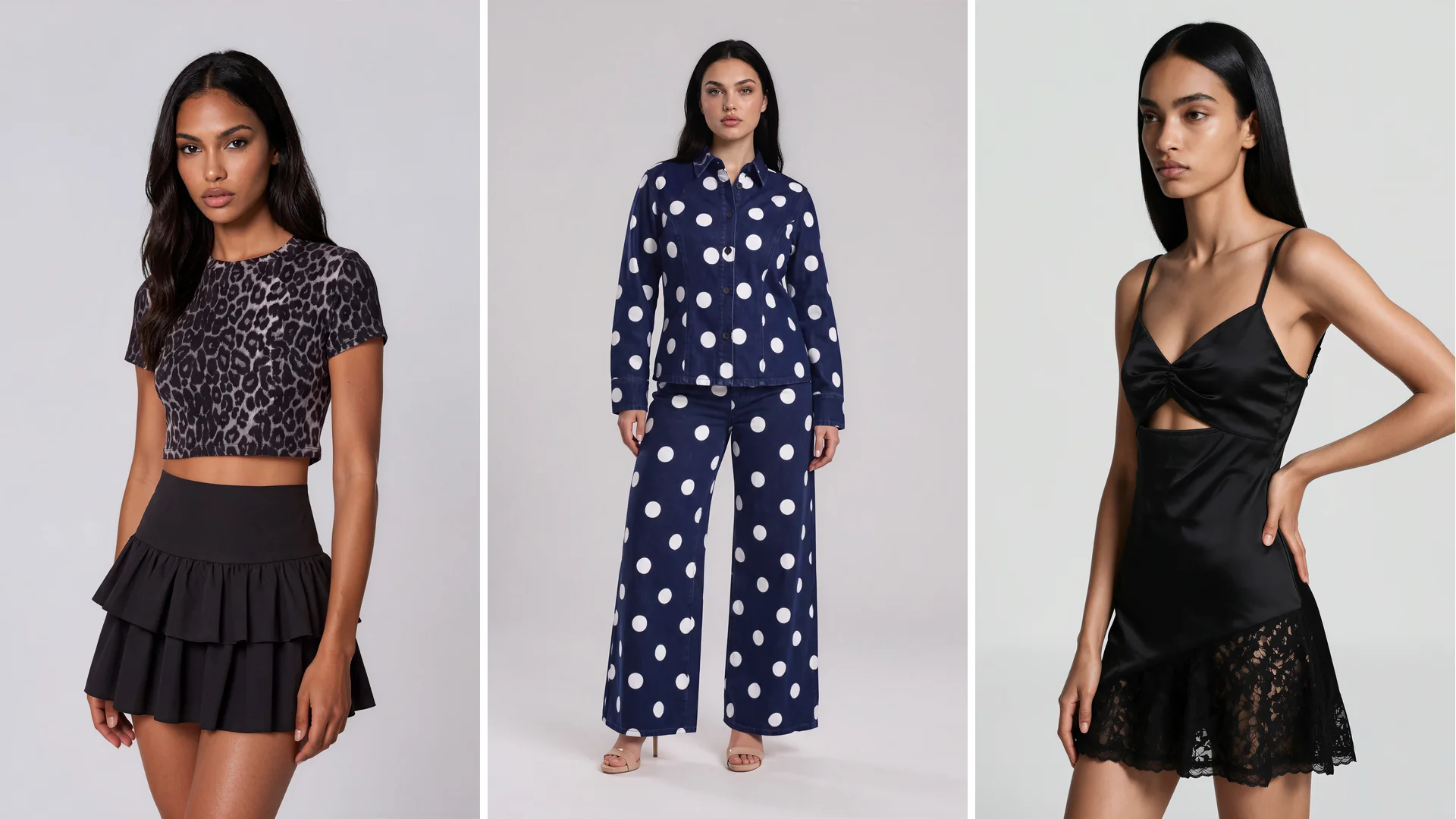
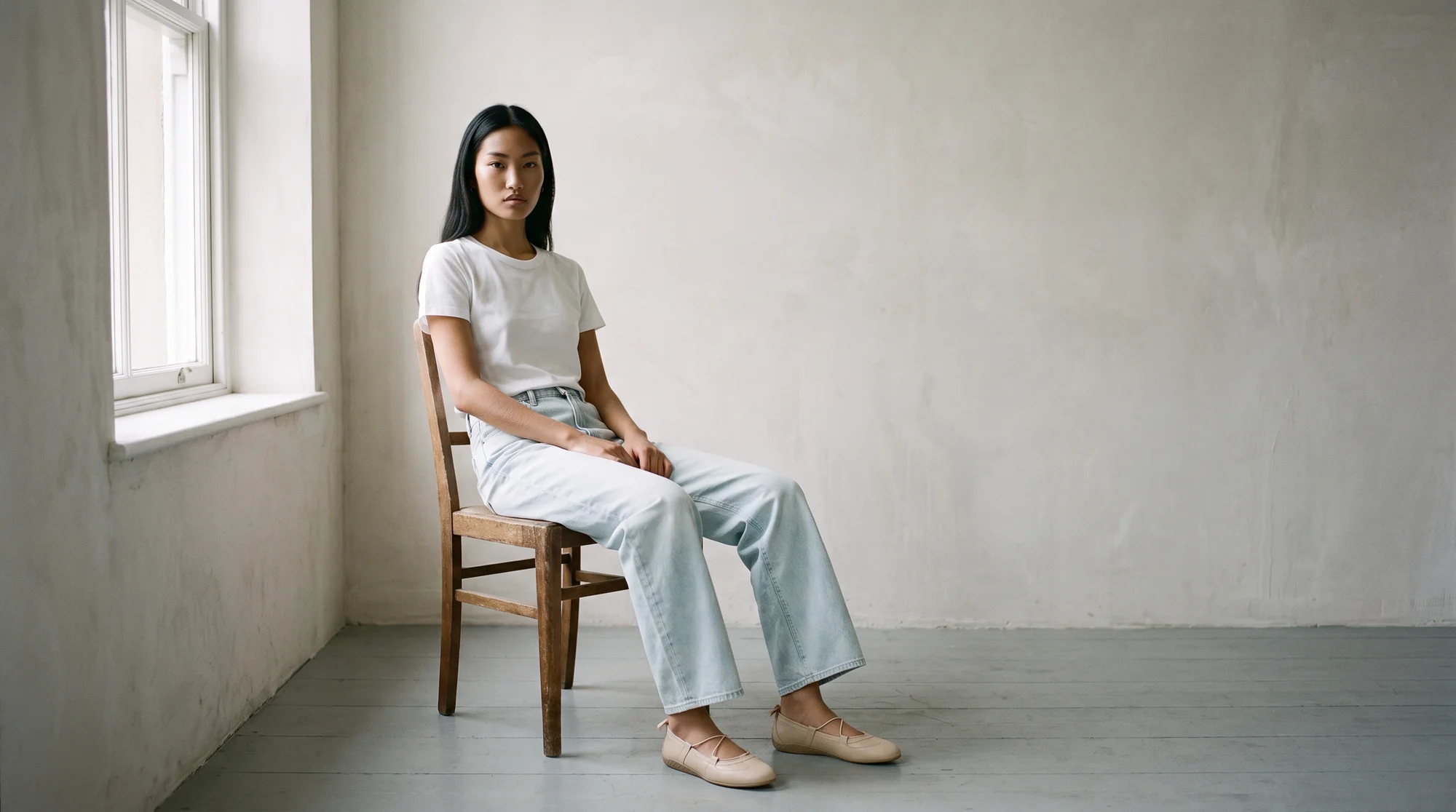
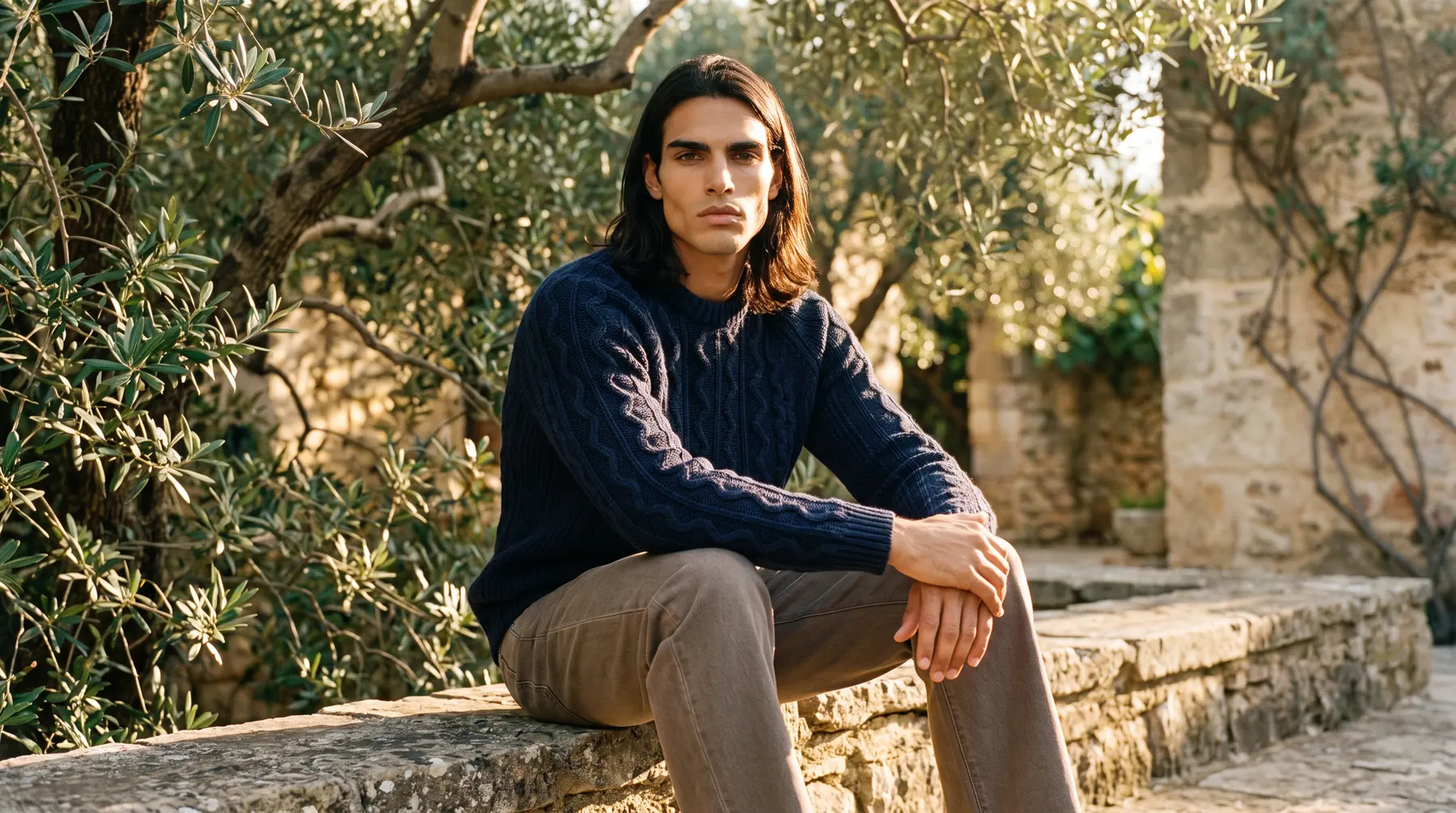
You supply a flat lay, a packshot or a ghost mannequin shot of the real piece. The system returns that same garment worn by a model, ready for a product page.
The buyer is ecommerce, merchandising or marketing. The value is coverage and speed: getting on-model imagery across a full range without a shoot per style.
Output is a photograph. It goes straight onto a listing, into a paid social placement, or into a lookbook, which is why accuracy to the physical garment matters more here than anywhere else. Get it wrong and the cost is immediate, because size, fit, or color is the leading reason an order comes back.
Where each one fits in the lifecycle
| Stage | Question being answered | Tool category | Output |
|---|---|---|---|
| Concept and design | What should we make? | Design and 3D software | Pattern and 3D data |
| Fit and sampling | Does it fit correctly? | Fit simulation | A signed-off sample |
| Production | Make it | Manufacturing | A physical garment |
| Product photography | What does it look like? | Camera and studio | A flat lay or packshot |
| On-model imagery | How does it look worn? | AI product imagery | Product page photographs |
| Merchandising | Which version converts? | Testing and analytics | A decision |
Laid out in sequence, the overlap disappears.
The teams and budgets differ too
The organisational split is often clearer than the technical one.
Design software is bought by product development, sits in a development or sampling budget, and is measured on sample rounds saved and time to a signed-off fit.
Imagery tools are bought by ecommerce or marketing, sit in a content or creative budget, and are measured on catalog coverage, conversion rate and return rate.
That matters practically. A tool evaluated by the wrong team gets judged on the wrong metric, which is how promising software gets rejected for failing a job it was never built to do.
It also explains why the two rarely compete in a real procurement process. They come out of different budgets and answer to different owners.
How to tell which one you need
Answer one question: does the garment physically exist yet?
If it does not, and you are trying to decide whether to make it, get the fit right, or cut sample rounds, you want design software. No imagery tool helps, because there is nothing real to photograph.
If it does exist and you already have a photo of it, and the problem is that half your catalog has no on-model imagery, you want a product imagery tool. Design software will not help, because the garment is already made.
A second question separates the imagery tools from each other: are you producing an image, or building an interactive feature? An image loads for every visitor. A virtual try-on renders live for the fraction who choose to use it. Those are different projects with different engineering costs.
Most fashion businesses eventually run both categories, at different stages, bought by different teams, on different budgets. The mistake is expecting either to do the other's job.
What matters when evaluating imagery tools
1. Garment fidelity above everything
The output has to remain a photograph of the piece a shopper will receive. Fabric, print, drape and fit all need to survive, because an image that flatters a garment it no longer resembles buys a return rather than a sale.
2. Consistency across a catalog
One good image proves little. Making product three hundred match product one, in lighting and framing, is what lets a category page read as a single brand.
3. Reliability at volume
The real test is thousands of products, not ten. A tool that produces one striking result and queues on the rest has not solved the problem.
4. AI with a human check
Fashion punishes small errors. Botika pairs its AI with a QA and retouching team that reviews output before delivery, which is what makes publishing at catalog scale safe.
5. Cost behaviour as you scale
Traditional production cost rises with every style and variation. Generating from existing photography breaks that link, which is where the saving actually appears.

Why the confusion is expensive
Two failure modes show up repeatedly.
A brand buys 3D design software hoping to fix its product pages, then discovers the output is a simulation rather than a photograph, and that turning it into publishable imagery is a separate project with its own cost.
Or a brand evaluates imagery tools expecting them to help with fit and sampling, concludes AI does not work for fashion, and stops looking. The tool was never built for that stage.
Both come from the same root: a shared vocabulary across two genuinely different products. It is worth being explicit internally about which stage you are solving for before anyone books a demo.
The commercial stakes sit mostly on the imagery side, because that is the asset a shopper sees. High-quality product images lead the list of what fashion shoppers say matters most, ahead of price or description.
What a joined-up workflow looks like
Brands running both do not integrate them so much as sequence them.
Design and fit work happens first, in the 3D software, and ends when a sample is signed off and put into production. That is the moment the garment becomes real.
Photography happens next, and it is worth treating as a standing station rather than an event. A consistent flat lay or mannequin setup, used as samples arrive, produces the source images everything downstream depends on.
Imagery generation runs from those photos, in batches by category, so knitwear is treated as knitwear and denim as denim. That is where on-model coverage across the range gets produced.
The handoff worth getting right is the middle one. Teams that photograph samples as they arrive finish imagery alongside the range. Teams that wait for a full collection end up with product pages that go live incomplete.
Common questions about AI design tools and product imagery
What is the difference between AI fashion design tools and AI product imagery tools?
Design tools build a garment that does not exist yet, as pattern and 3D data, for design and product development teams. Imagery tools take a photo of a garment that does exist and produce on-model images of it for ecommerce.
Can 3D design software produce my product page images?
Not directly. Its output is a simulation on a parametric body, not a photograph of your physical garment. Turning it into publishable imagery is a separate piece of work.
Which one do I need if my catalog has no on-model photos?
A product imagery tool. The garment already exists and you already have a photo of it, so the gap is imagery, not design.
Which one reduces sampling costs?
Design and fit simulation software, because it lets you resolve fit before cutting a physical sample. Imagery tools sit after that decision.
Do I eventually need both?
Many brands do, at different stages and on different budgets. They are complements, not alternatives, and neither substitutes for the other.
What source image does an imagery tool need?
One sharp, evenly lit photo of the real garment. A flat lay, packshot or ghost mannequin shot all work, and the output quality tracks the input.
Where this is heading
The two categories will keep converging in marketing language while staying separate in function, because the underlying jobs are genuinely different. Teams that name the stage they are solving for will keep evaluating faster than teams that shop by label.
Discovery is shifting alongside it. More research now starts inside AI-powered search and overviews, which reward content that defines a category clearly rather than blurring it.
If your problem is the imagery half, the fastest way to judge it is on your own catalog. See how Botika builds on-model imagery from photos you already have, browse the model roster, or start a free trial.