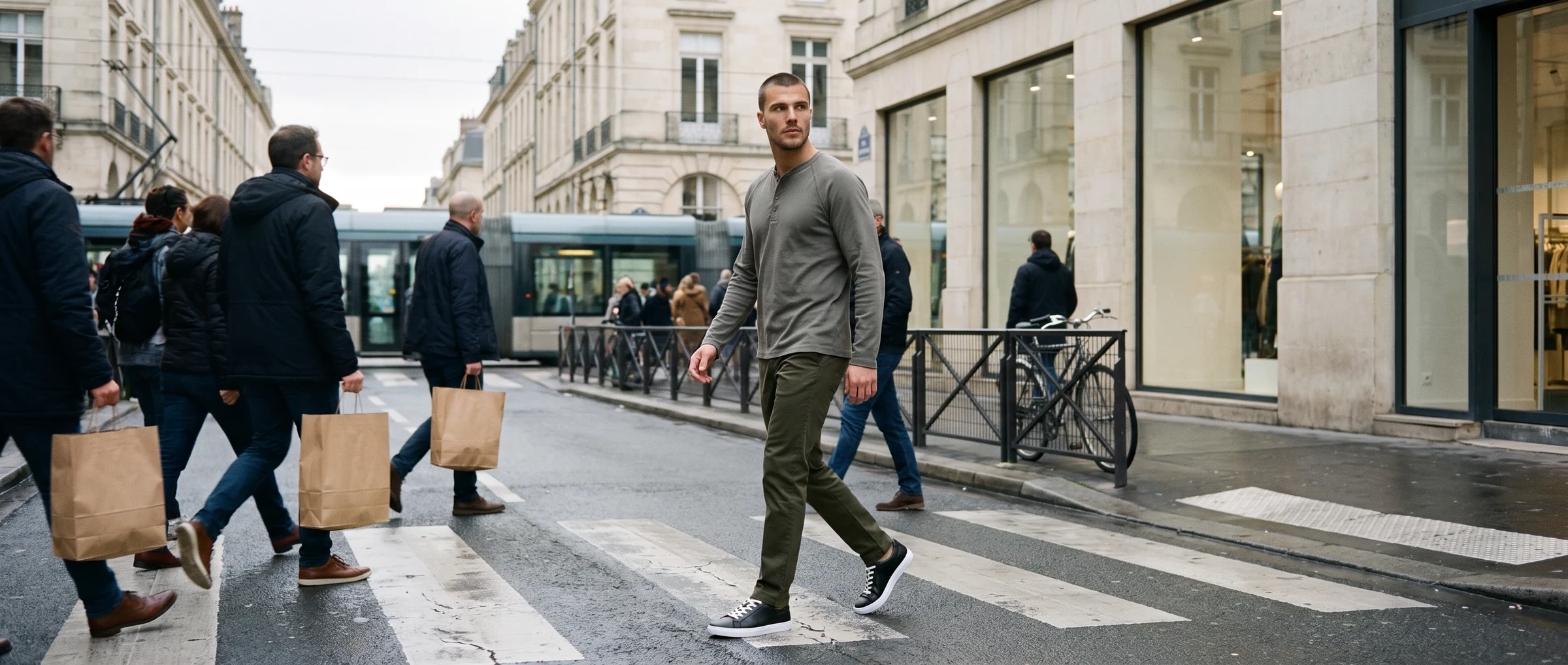
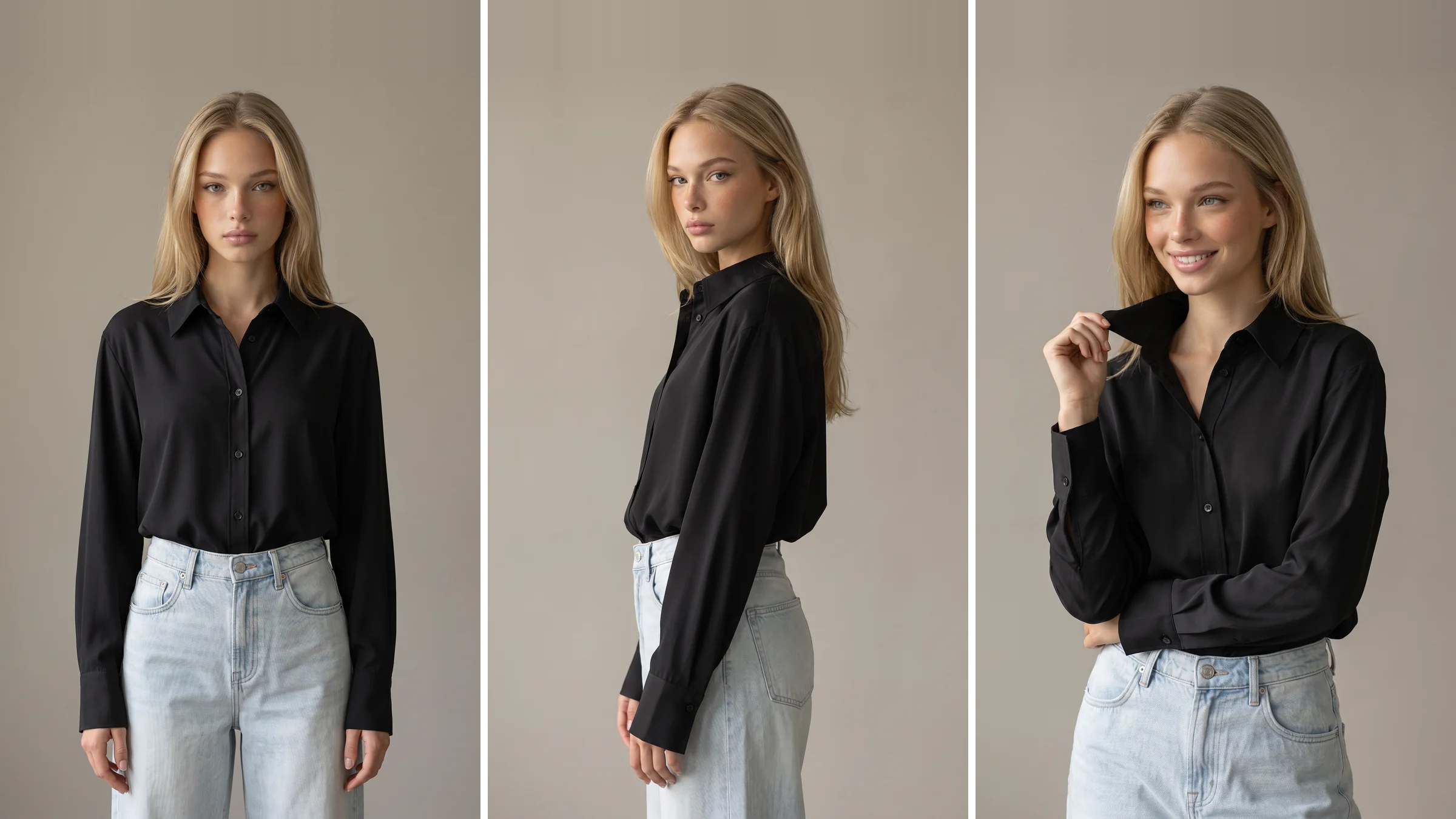
Botika vs Higgsfield: Imagery and motion

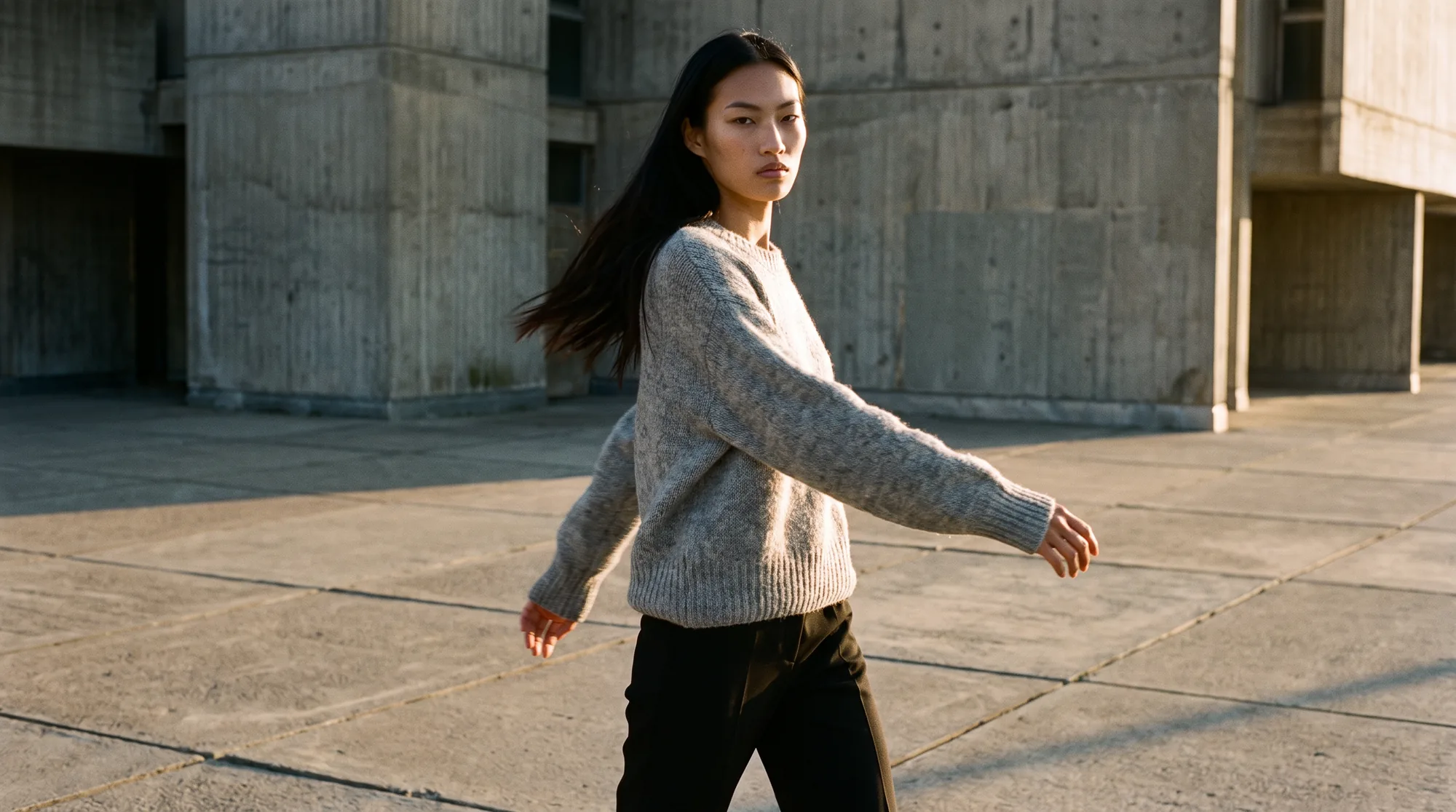
Higgsfield comes up in fashion conversations because it does something most image tools do not: motion. If you need a campaign film or a paid social clip, it is a serious option.
It is also the comparison where the two tools overlap least. Higgsfield describes itself as an AI-native creative suite, aimed at film, marketing and content creation. Botika does one thing, which is fashion product imagery.
So this is less a contest than a division of labour. Here is where the line falls.
What Higgsfield is built for
Higgsfield is a creative suite rather than a single model. Its own positioning spans video generation, image creation, 3D and interactive work, motion transfer and editing, with a stated audience of filmmakers, marketers and content creators.
Motion is the headline. Generating video from a prompt or a reference, transferring movement into a new scene, and building cinematic sequences are the things it is shaped around.
For a fashion brand that maps to real work: campaign films, paid social video, motion assets for a launch, cinematic scenes that would be expensive to shoot.
Notably, it does not position itself as fashion product photography. That is not a gap in the product, it is a different product.
Worth saying plainly, because a suite that spans this much ground is often assumed to cover everything. Breadth and garment fidelity are different engineering problems, and a tool built for cinematic range is not making a promise about your seam lines.
What Botika is built for
Botika produces on-model imagery of garments you already stock, from flat lays, packshots or ghost mannequin shots you already own.
The requirement it is arranged around is fidelity. The garment in the output has to match the garment in the warehouse, and it has to match across every style in the range.
It holds that with a written specification, one pipeline and a fashion-trained QA and retouching team reviewing output before delivery. It also produces fashion video, but as an extension of the same garment-accurate pipeline rather than as a general motion tool.
That distinction matters more than it sounds. Garment-accurate motion is a harder constraint than cinematic motion, because the piece has to stay itself through every frame rather than only in the one frame you choose. A print that drifts halfway through a three second clip is more noticeable than a print that drifts in a still, not less.
Side by side
| Higgsfield | Botika | |
|---|---|---|
| Category | Creative suite, in its own words | Fashion imagery platform |
| Primary strength | Video and motion | Garment-accurate stills at volume |
| Stated audience | Film, marketing, content creation | Fashion ecommerce teams |
| Works from your product shot | Can take references | That is the required input |
| Human QA on output | Yours to run | Included before delivery |
| Right for | Campaign film, paid social video, motion | Product pages, catalogue coverage |
Where Higgsfield is the better choice
Campaign film. A launch film or brand piece is a motion job, and a suite built for filmmakers will get you further than an imagery platform.
Paid social video. Volume of short-form motion variants for testing is squarely what it is for.
Cinematic scenes you could not shoot. Locations, scale and set-ups outside a realistic production budget.
Non-garment creative. Anything beyond apparel imagery, including 3D and interactive work.
Where Botika is the better choice
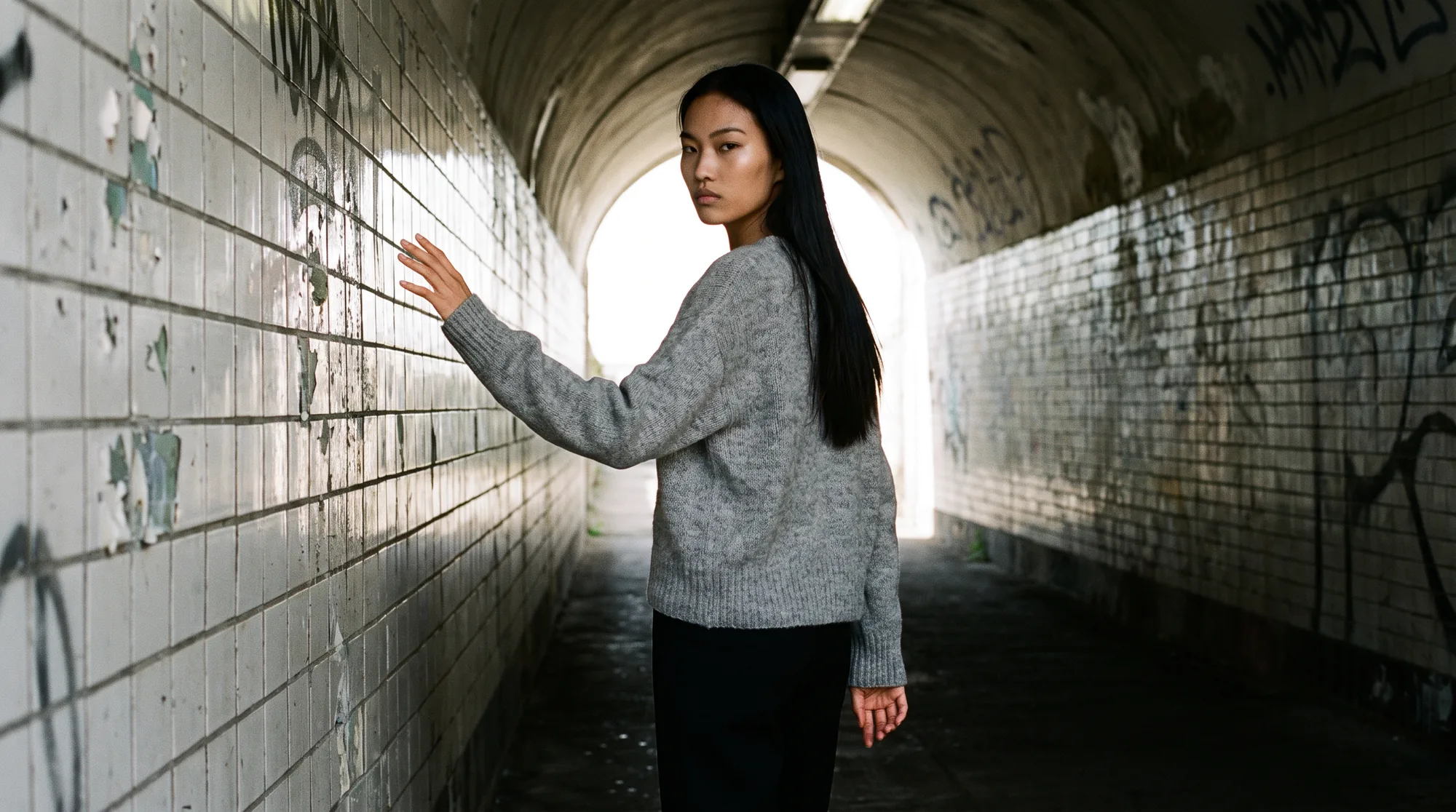
Product detail page stills. Fidelity to the physical garment is the requirement, and it outranks cinematic quality here.
Catalogue-wide consistency. Hundreds of styles that have to look like one considered set.
Converting existing packshots. Turning the flat lays you already hold into on-model imagery for the whole range.
Product video that must show the real garment. Motion where the garment still has to be exact, rather than motion where the look is the point.
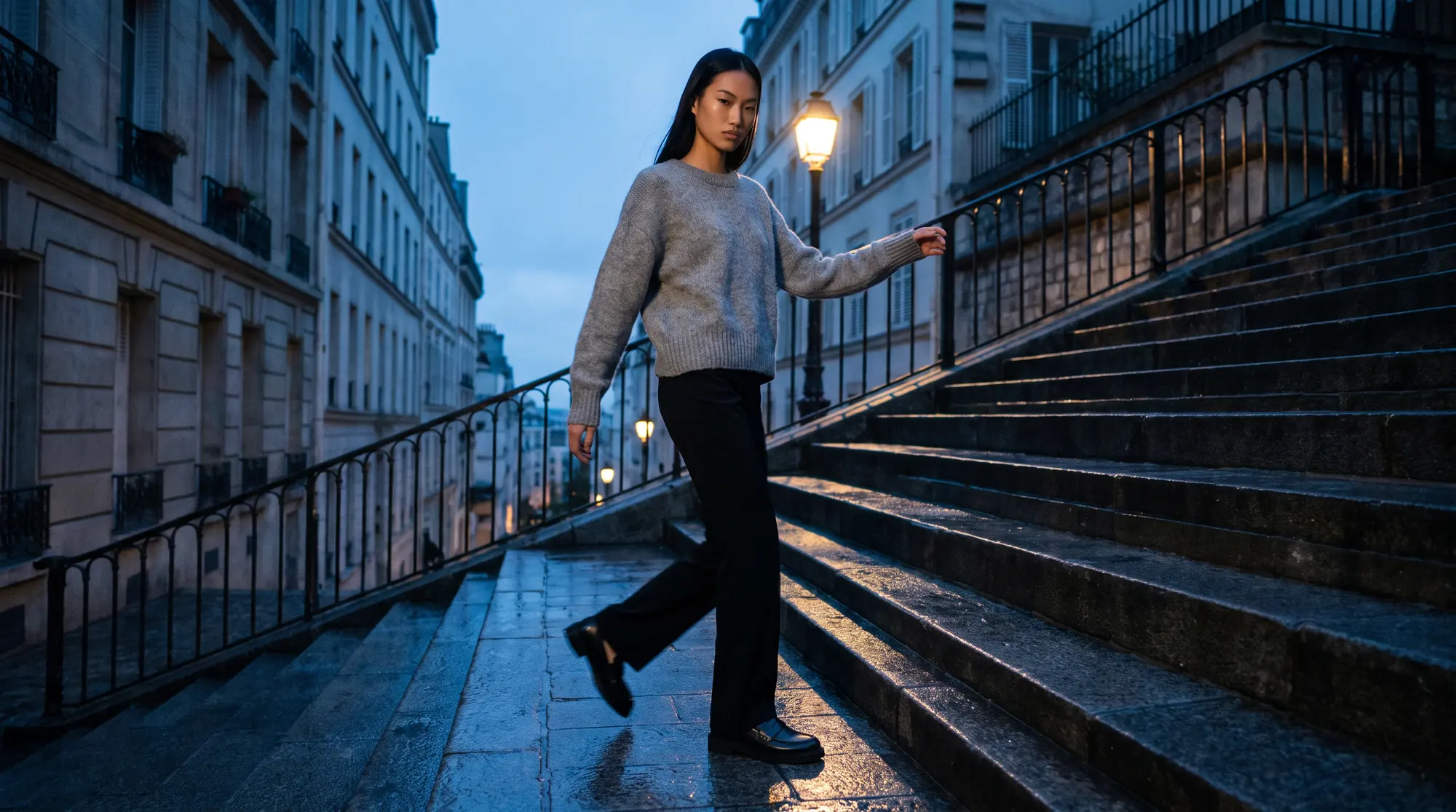
How to decide, and why the overlap is smaller than it looks
Both produce moving images, which is where the confusion comes from. The distinction is what the motion is for.
If the clip exists to make someone feel something about the brand, that is a creative motion job, and being striking matters more than being literal. If it exists to show a shopper how a specific garment moves before they buy it, the garment has to be accurate and you are back in reproduction territory. Most brands running both use each on that basis and rarely find themselves choosing.
Ask what the asset is for, and where it will sit. A homepage film and a product page still are different products with different failure modes. A weak film costs attention. An inaccurate product image costs a return, and returns are the expensive failure in apparel.
Then ask what would count as wrong. A campaign film cannot really be inaccurate, only weak. A product image can be inaccurate, and inaccuracy costs a return.
If your bottleneck is that most of the catalogue has no on-model imagery, that is the reproduction job. Start with flat lay conversion, look at fashion video if you need garment-accurate motion, and check per-image pricing against your SKU count. The model range is worth a look first, since casting has to suit your customer.
Where this is heading
Motion is becoming a standard part of a product page, not just a campaign. As that happens the interesting question is whether a clip needs to be beautiful or needs to be accurate, and increasingly brands will want both from different tools.
Split the work by what the asset has to prove. That decision ages better than any tool choice, because it survives every new model release, and it is the question a new tool cannot answer for you.
If most of your range still has no on-model imagery at all, that is the bottleneck worth clearing first. Motion is a multiplier on imagery you already have, so it pays off more once the catalogue is covered.
Common questions about Botika and Higgsfield
What is the difference between Botika and Higgsfield?
Higgsfield is a broad creative suite spanning video, image and motion for film, marketing and content. Botika is a fashion imagery platform that reproduces garments you stock. Different categories rather than competing products.
Is Higgsfield built for fashion product photography?
It does not position itself that way. Its stated focus is film, marketing and content creation, with motion as the standout capability, which makes it strong for campaign work rather than product detail pages.
Can Higgsfield make my product page images?
It can generate images, and it accepts references. What it does not offer is a pipeline built to hold one physical garment accurate across a whole catalogue with human review before delivery.
Does Botika do video?
Yes, as an extension of the same garment-accurate pipeline. It is fashion video built on the product rather than a general motion tool, so use it when the garment still has to be exact.
Should I use both?
Many brands do, and the split is clean. Campaign film and paid social motion on one side, product page imagery and catalogue coverage on the other.
Which is better value?
They are priced for different jobs, so compare within the job. For imagery, use cost per publishable image. For film, compare against what the equivalent shoot would have cost.