What AI fashion photography costs compared to a photoshoot
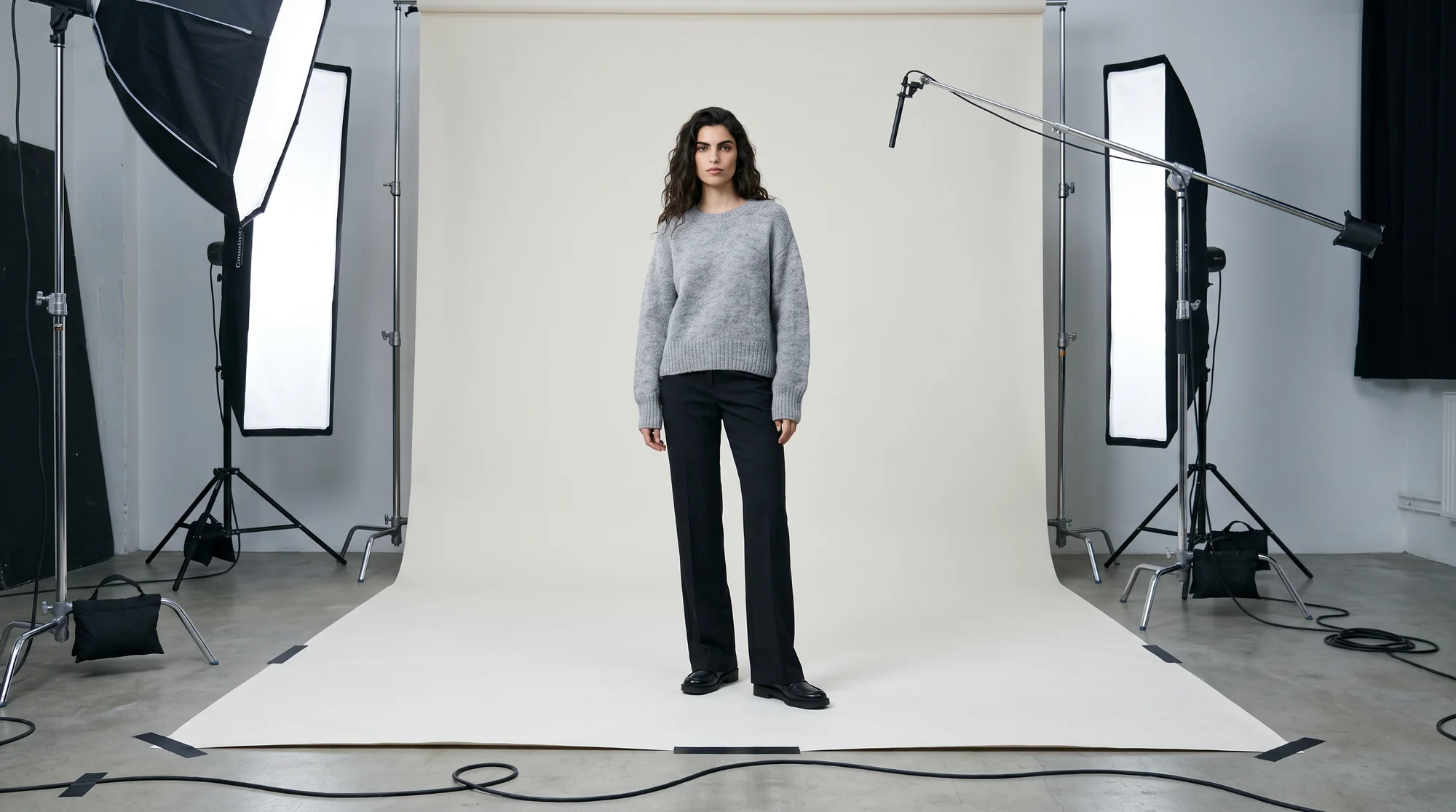
Every fashion team that has ever booked a studio knows the invoice is only part of the story. There is the day rate, and then there is everything around it: the model, the stylist, the samples in transit, the retouching queue, the reshoot when a colourway arrives late.
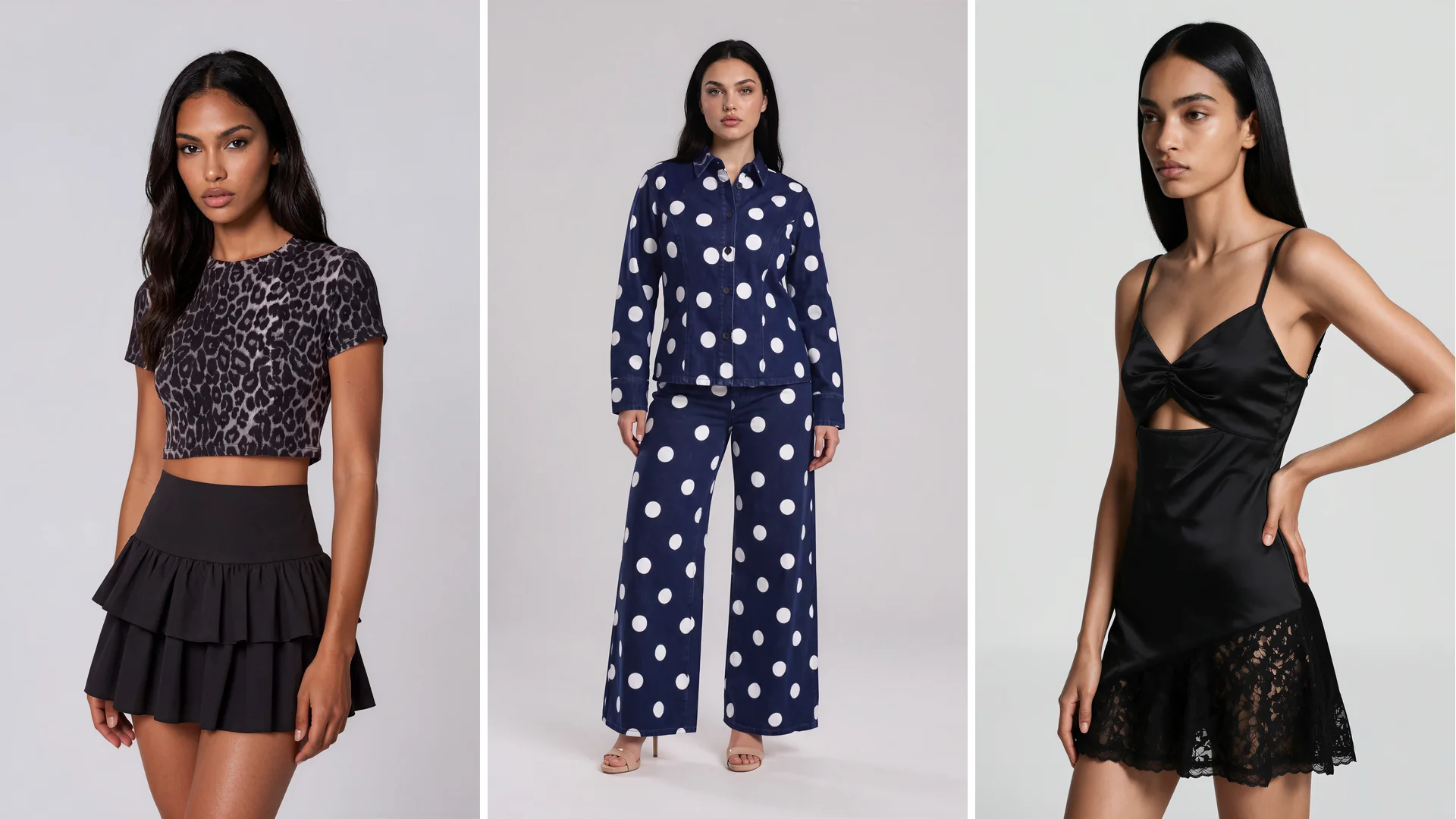
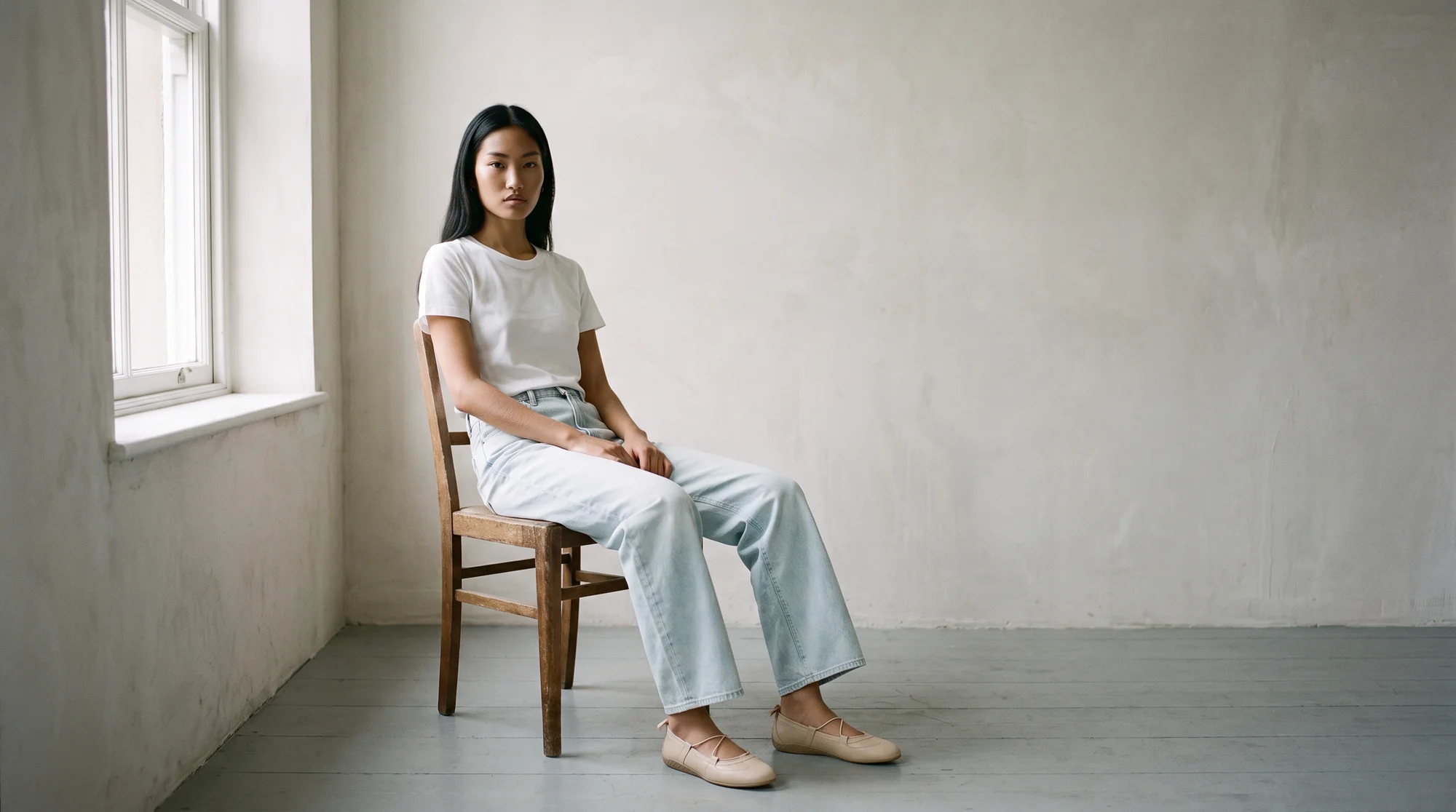
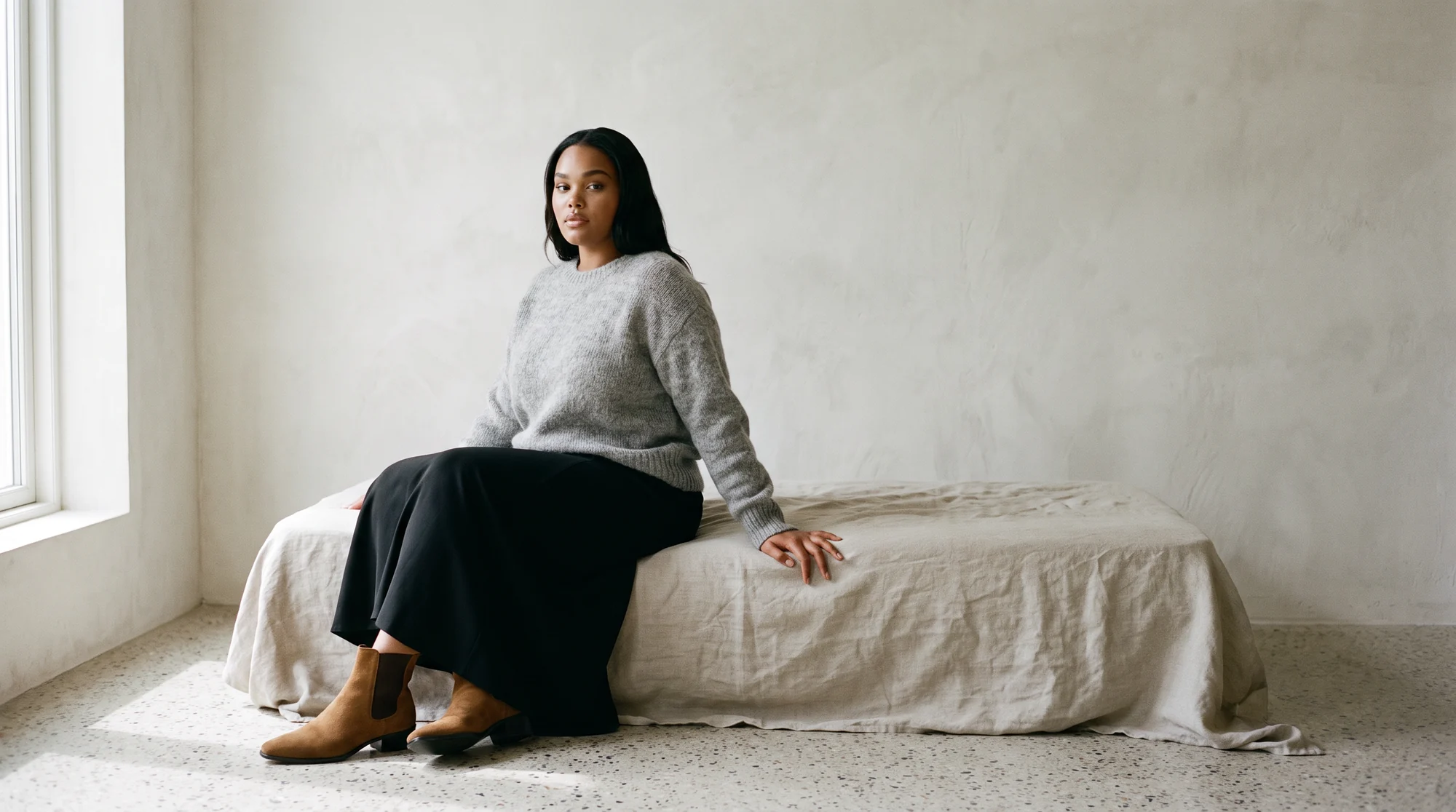
So when brands ask what AI fashion photography costs, the honest answer is that the interesting number is not the subscription. AI fashion photography is the production of on-model product imagery from a brand's existing flat lay or mannequin shots, priced per image rather than per shoot day. That shift, from booking a day to buying an image, is what actually changes the budget.
Ecommerce keeps raising the bar on how much imagery a brand needs. US retail ecommerce sales reached $340.2 billion in the second quarter of 2026, or 17.1% of total retail sales, according to the Census Bureau. More channels and more SKUs mean more images per product, and the traditional shoot model does not scale gently with that demand.
Here is how the two cost structures really compare, and where the savings come from.
Why the photoshoot invoice understates the real cost
A studio quote covers a window of time. It does not cover the coordination that surrounds it, and that coordination is where fashion teams lose weeks.
Samples have to exist, arrive, and fit. Models have to be cast and booked. If a garment ships late or a colourway changes, the shoot either waits or happens twice.
The second hidden cost is coverage. A shoot produces images of what was in the room that day. Anything you did not plan for, a new size run, a market-specific look, a fresh angle for paid social, becomes a new project.
That is why brands with wide assortments often end up with uneven catalogues. The hero products get full treatment and the long tail gets whatever was left.
Where the money actually goes in each model
The clearest way to compare is to line up the cost components rather than the headline rate. A traditional shoot concentrates spend into fixed, scheduled blocks. AI production spreads it across a per-image variable cost.
| Cost component | Traditional photoshoot | AI on-model production |
|---|---|---|
| Studio and crew | Day rate, booked in advance | None |
| Model casting and fees | Per model, per day, plus usage rights | Included, selected from a model library |
| Sample logistics | Shipping, tracking, returns | Not required, works from existing product images |
| Retouching | Separate vendor or in-house queue | Part of the QA pass |
| Adding a variant later | New shoot or a reshoot | Another image at the same unit price |
| Cost behaviour | Fixed and lumpy | Variable and predictable |
The practical difference is that last row. A shoot forces you to decide the size of your commitment before you know what the season needs. Per-image pricing lets the commitment follow the demand.
The metric that matters is cost per usable image
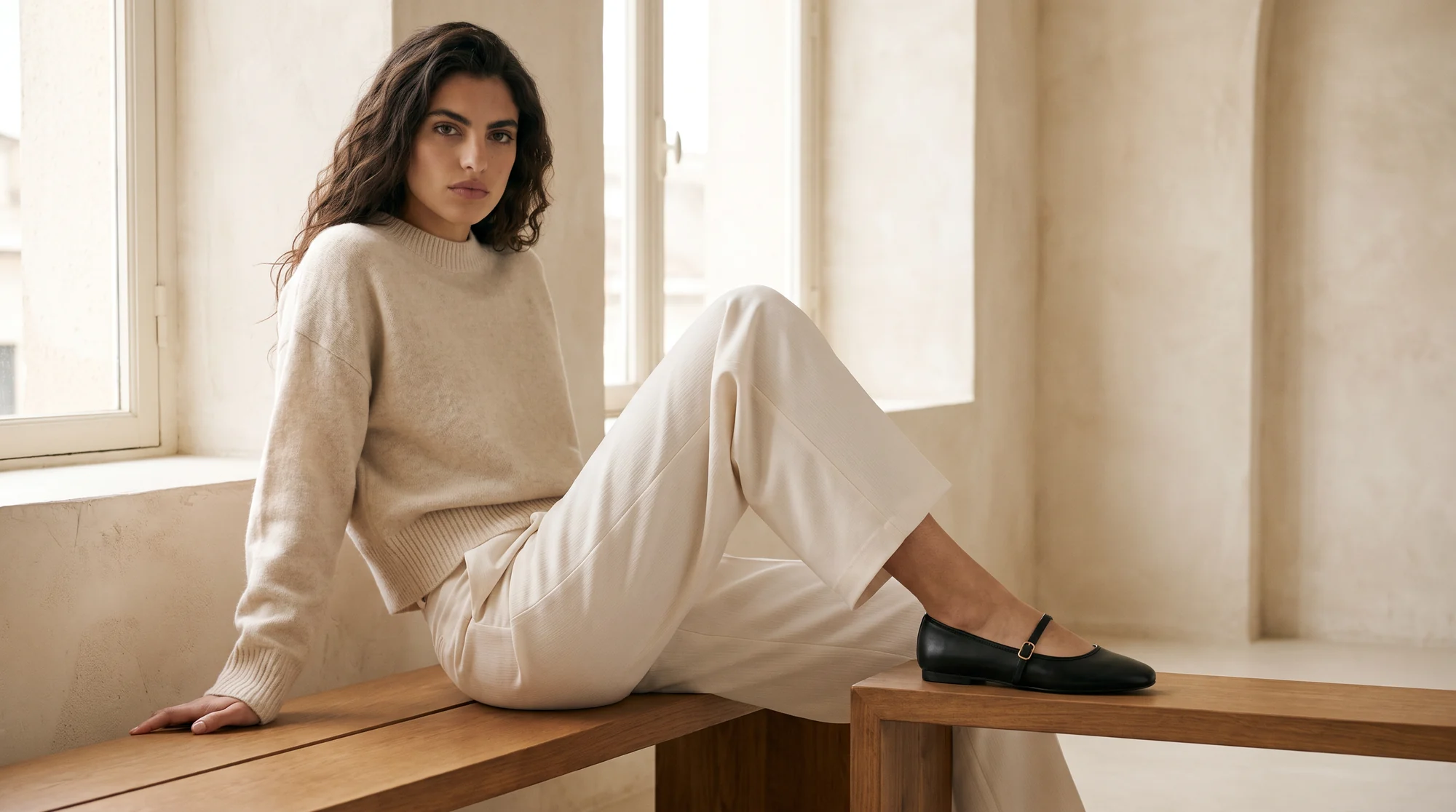
Teams often compare a day rate to a monthly subscription and conclude nothing useful. The comparable unit is cost per image you can actually publish.
That word usable is doing real work. An image is only finished when it is on brand, correctly lit, consistent with the rest of the PDP, and free of the small artefacts that make a shopper hesitate.
Google's own guidance on images is blunt about this: high-quality photos appeal to users more than blurry, unclear images, and sharp images are more appealing in result thumbnails. Quality is not a nice-to-have layered on top of cost. It is the thing that decides whether the cheaper image was cheap at all.
This is where the hybrid approach matters. Botika pairs proprietary AI with a fashion-trained QA and retouching team, so the number you divide by is finished images rather than attempts.
What brands gain when imagery becomes a variable cost
1. Consistency across the full catalogue
Every product gets the same treatment, not just the hero styles. The long tail stops looking like an afterthought, which matters because shoppers rarely enter through the homepage.
2. Coverage you could not previously justify
Extra angles, additional models, and market-specific looks stop being separate budget lines. The decision moves from "can we afford a shoot for this" to "is this image worth making".
3. Fewer avoidable returns
Returns are the quiet tax on apparel ecommerce. An estimated 19.3% of online sales were returned in 2025, with total retail returns projected at $849.9 billion, according to the National Retail Federation. Clearer on-model imagery helps shoppers judge fit and drape before they buy.
4. Speed that changes what you can plan
When imagery takes hours instead of weeks, launch dates stop being set by the photography calendar. Drops, restocks, and reactive campaigns become practical.
5. Budget that scales with the assortment
Adding 200 SKUs adds a known, linear cost rather than triggering a new production cycle. Finance can forecast it, which is often the reason the switch gets approved.
6. Less dependence on sample timing
Because production works from existing product images, imagery is no longer blocked by a sample stuck in transit.
The costs that never appear on a quote
The line items on a studio invoice are the easy part to compare. The expensive part is the coordination around them, and it never gets quoted.
Someone has to chase samples, confirm they arrived, check they are the right colourway, brief the shoot, sit through it, review the selects, manage the retouching queue and then load the files. That work is real, it is skilled, and it is usually absorbed by people whose job title says something else.
Reshoots are the second invisible cost. A late colourway, a sample that does not fit, a garment that photographs badly: each one either delays a launch or triggers a second session, and the second session is rarely half price.
Before comparing any two approaches, put a number on those hours. Take the people involved, estimate the days they spend per cycle, and add it to the invoice. The comparison usually looks different afterwards.
How to price it out for your own catalogue
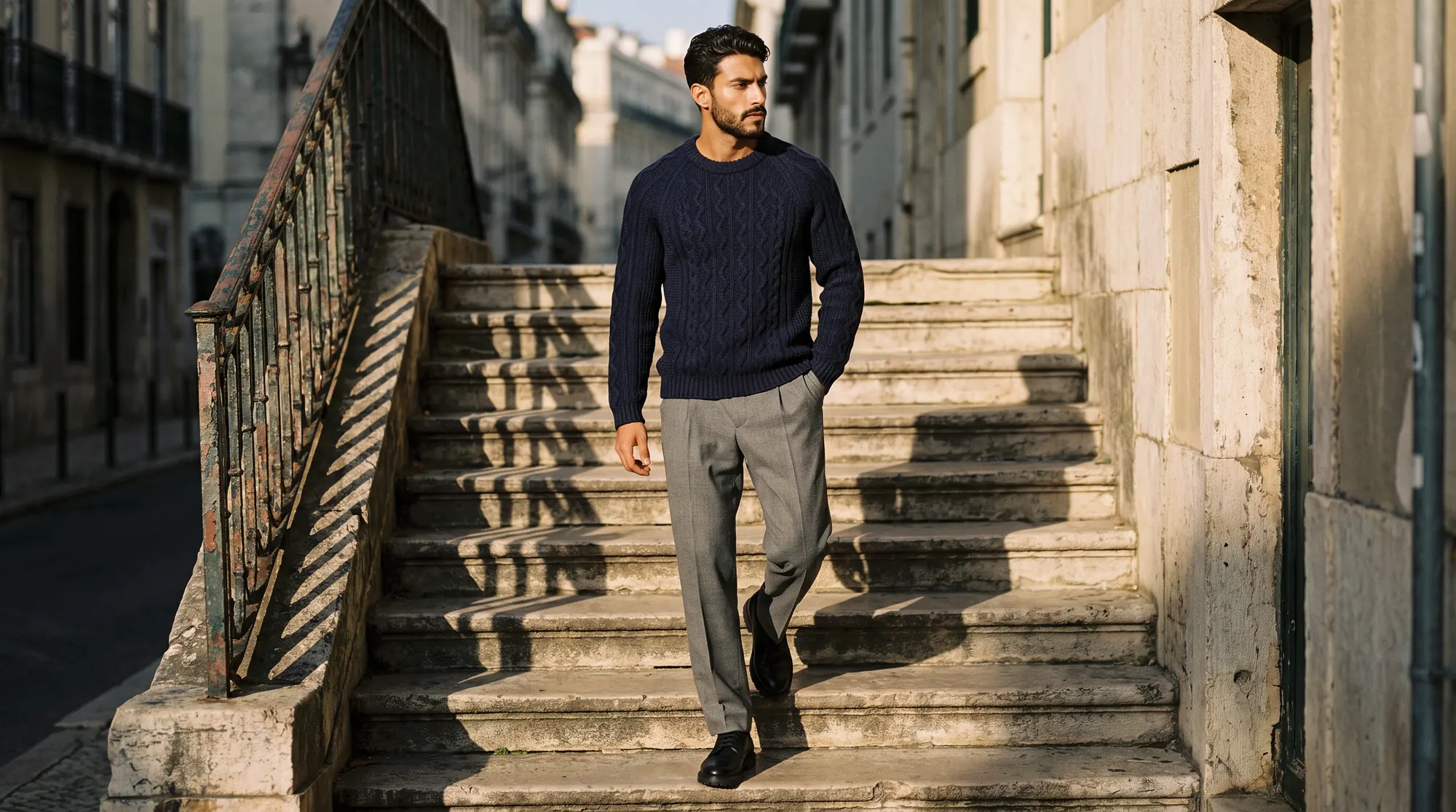
Start by counting images rather than shoots. Take your SKU count, multiply by the number of images each product needs, and you have the real annual volume.
Then divide your current annual imagery spend, including retouching and coordination time, by that number. Most teams are surprised by the result, because the coordination hours were never on an invoice.
Compare that figure against per-image pricing on the Botika pricing page, where imagery is credit-based at one credit per photo. Run a small batch first, ideally a category where your current imagery is weakest.
Judge the output the way a customer would, on the product page, at full size, next to your existing shots. If it holds up there, the economics take care of themselves. Our production cost solution page walks through how teams stage the transition.
Common questions about AI fashion photography cost
How much does AI fashion photography cost?
Pricing is per image rather than per shoot. Botika plans start at $33 per month on a credit model where one credit produces one photo, with custom enterprise pricing for large catalogues. The meaningful comparison is your cost per publishable image, not the monthly figure.
Is AI cheaper than hiring a photographer?
For catalogue and PDP imagery at volume, almost always, because you remove studio, model, sample logistics, and retouching as separate line items. For a brand-defining campaign shoot with a specific creative vision, a photographer is still the right call. Most brands run both.
What does a traditional fashion photoshoot actually include?
Typically a studio or location, a photographer and assistants, a model, a stylist, sample handling, and post-production. The day rate is only the visible portion. Coordination and reshoots often cost more than the shoot.
Does cheaper imagery mean lower quality?
It does not have to, but it depends entirely on whether output is reviewed. Unreviewed generative output produces a high volume of near-misses. Botika's model combines AI generation with a fashion-trained QA team so what you receive is ready to publish.
Do I need to send samples or book models?
No. Production starts from product images you already have, including flat lays and mannequin shots, and models are selected from an existing library. You can see the range on the Botika models page.
How do I calculate the return on switching?
Compare total annual imagery spend divided by publishable images against per-image pricing, then add the value of faster time to market and any reduction in returns. The speed and returns effects are usually larger than the direct saving.
Where this is heading
Imagery is becoming a variable input rather than a scheduled event. Brands that price it per image can cover their whole catalogue properly instead of rationing quality across it.
The teams getting the most out of this are not the ones chasing the lowest number. They are the ones who worked out what a finished image is worth to them, then produced every one of them to that standard. Start with a single category on on-model photography and measure it against your current spend.