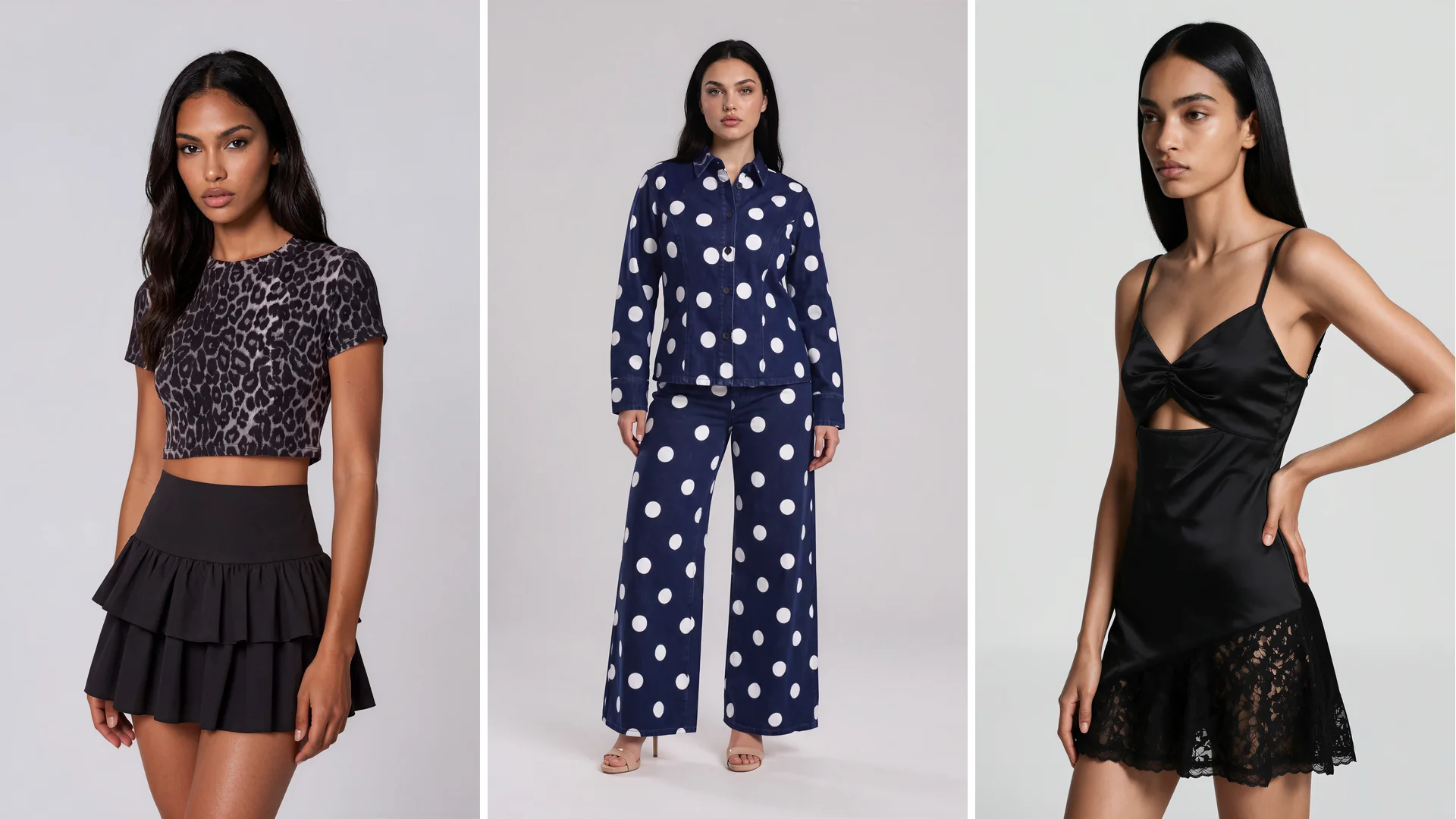
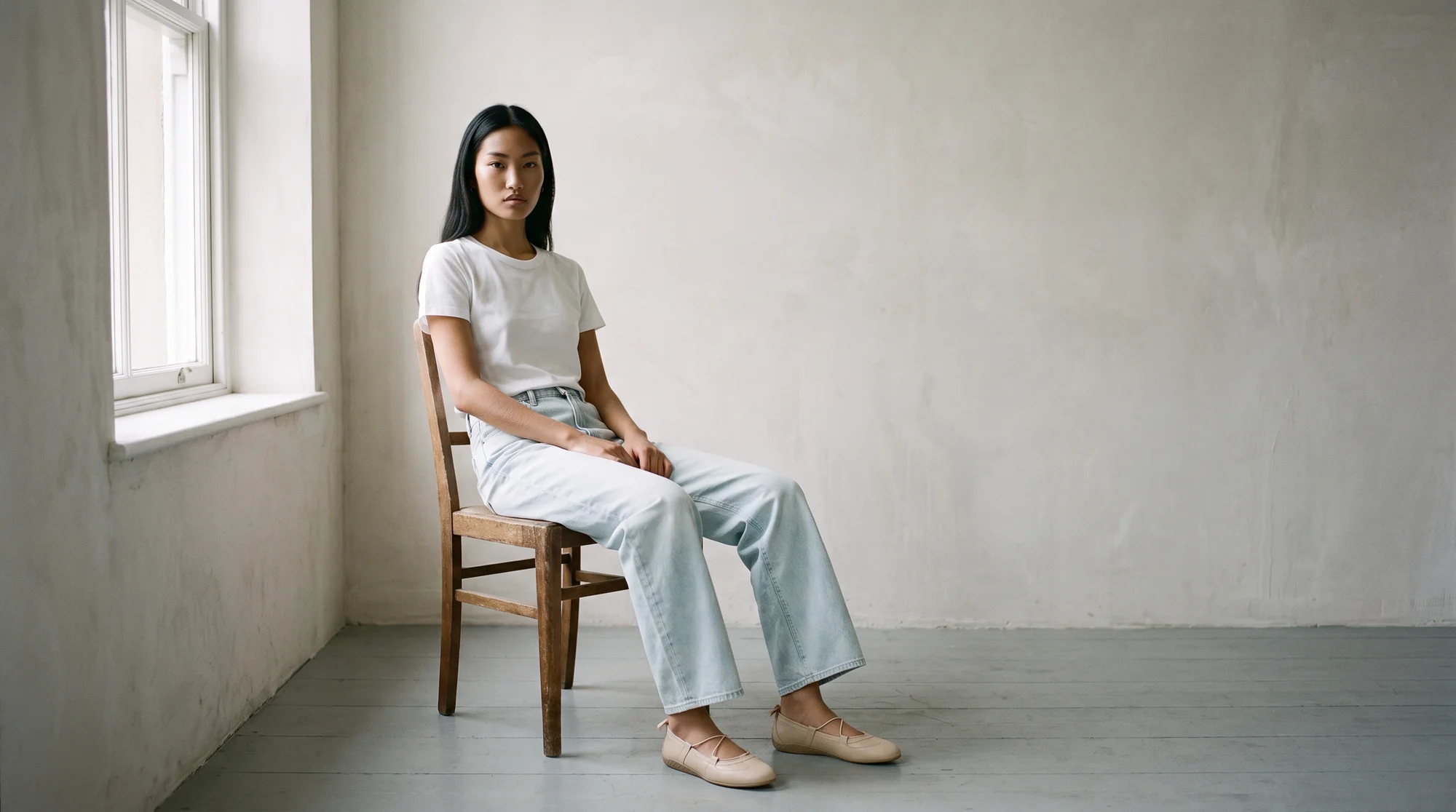
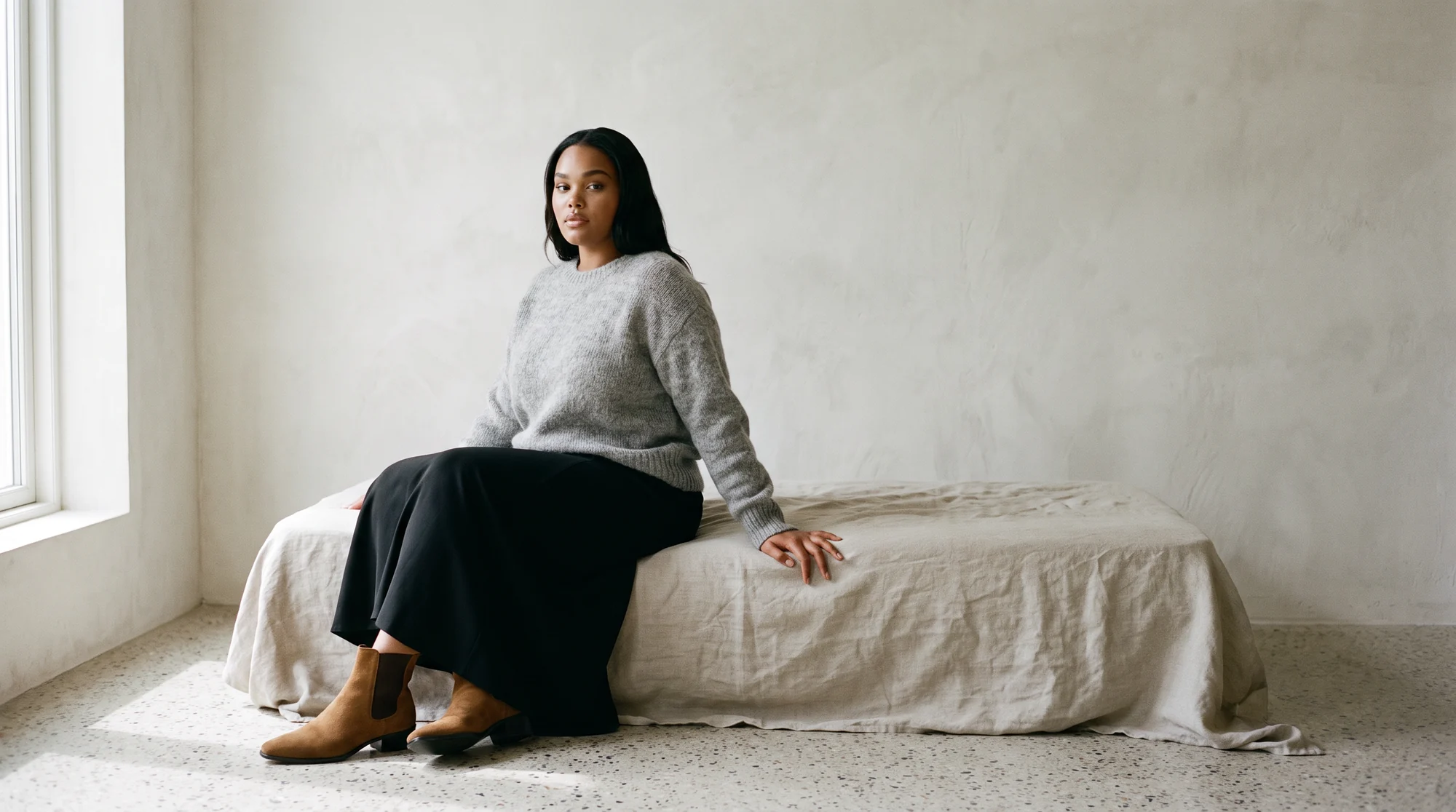
AI fashion model agency vs platform: Which one your catalog needs
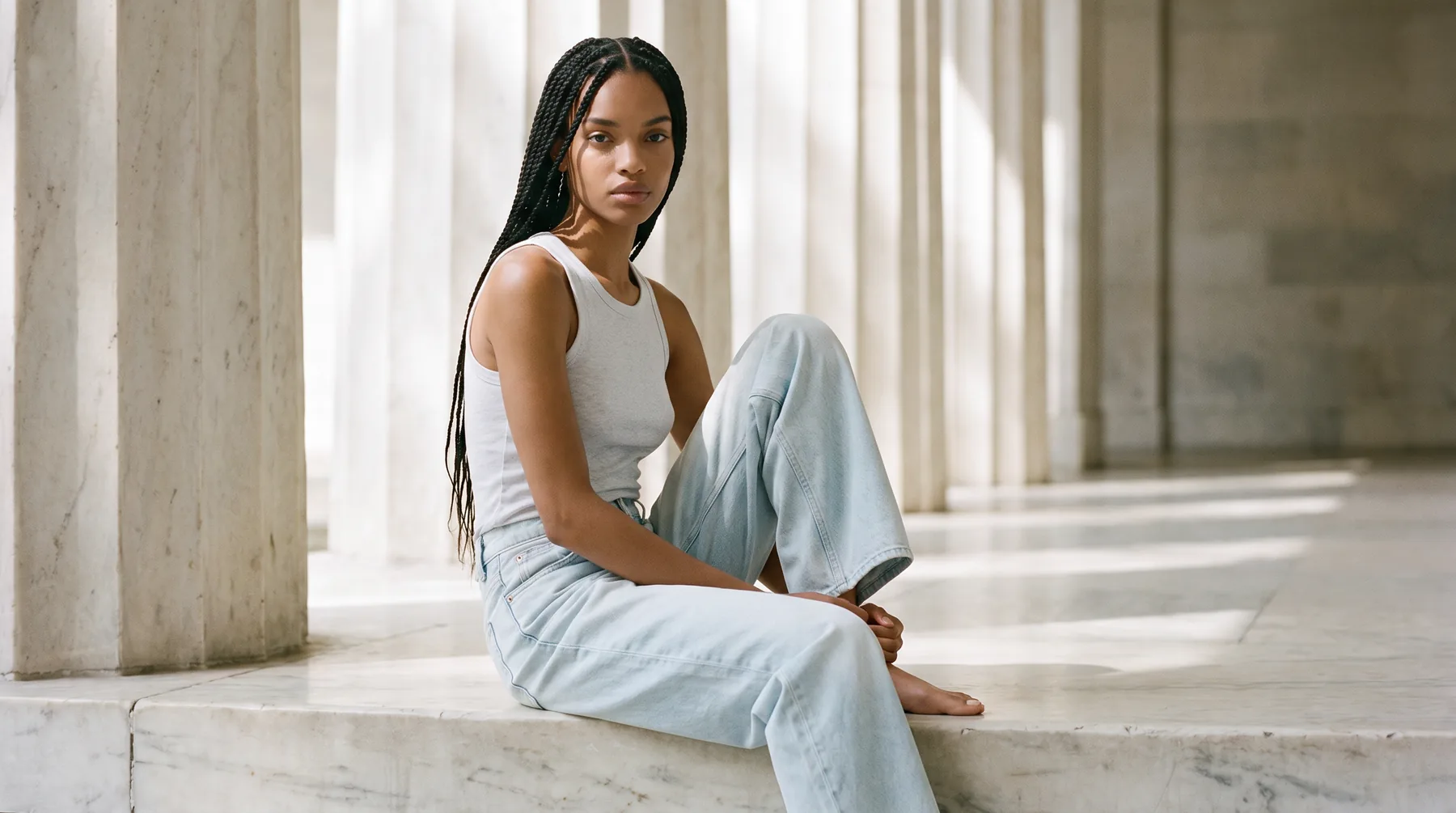
An AI fashion model agency and an AI fashion model platform sound like the same thing and are bought very differently. One is a service you brief. The other is software you run.
Brands searching for an agency usually want somebody else to handle it: send the garments, describe the look, receive finished images. Brands searching for a platform want to produce imagery themselves, on their own schedule, at catalog volume.
Both are legitimate. They suit different team sizes, different volumes and different levels of control. This guide covers what each actually delivers, what you give up either way, and how to work out which one your catalog needs.
What an AI model agency does
An agency operates as a service layer. You brief it, it produces, you receive files.
Typically that means a named creative contact, a defined turnaround, art direction handled on your behalf, and a per-project or per-image price. Some agencies maintain their own roster of recurring AI personalities used across multiple clients.
The appeal is obvious for a small team. There is nothing to learn, no tool to administer, and someone else owns the quality problem.
The trade-offs are equally real. Cost tends to scale with volume, turnaround depends on someone else's queue, and iterating on a single product means another round trip rather than a re-run.
What a platform does
A platform puts the production in your hands. You upload a garment photo, pick a model and framing, and generate.
The advantages show up at volume. Cost stops tracking image count in the same way, turnaround collapses to minutes, and iteration is free because re-running a product costs an upload rather than a brief.
It also means consistency is yours to control. You choose a model set and a framing convention once and apply it across a category, which is what makes a collection page read as one shoot.
The trade-off is that art direction becomes your job. Nobody else decides which model suits the garment or whether an output is publishable.
How the two compare
| Agency (service) | Platform (software) | |
|---|---|---|
| You provide | A brief, plus garments or photos | A garment photo |
| Turnaround | A defined lead time in someone else's queue | Minutes, on your schedule |
| Cost behaviour | Tends to scale with image count | Flattens as volume grows |
| Iteration | A revision round trip | Re-run at no extra cost |
| Art direction | Handled for you | Yours to own |
| Consistency control | Depends on the brief | Configured once, applied across a category |
| Best fit | Low volume, seasonal cadence | Catalog volume, frequent drops |
The honest comparison is about volume, control and where the quality judgment sits.
Worth noting what both routes share: the image is doing the selling either way. High-quality product images lead the list of what fashion shoppers say matters most, so the delivery model matters less than whether the output is accurate and consistent.
Which one fits your catalog
Volume is the first filter. A handful of products a season points toward a service. Hundreds of SKUs with regular drops points toward a platform, because per-image pricing stops making sense quickly.
Cadence is the second. If imagery has to be ready the day a sample lands, waiting on an external queue is the constraint. If you work to a seasonal calendar with long lead times, a service fits comfortably.
Control is the third. Brands with a specific visual language usually want to own the model set and framing rather than describe it in a brief each time.
And there is a middle path worth naming: run a platform for catalog coverage, and bring in outside creative direction for campaign work. That is what most brands past a certain size end up doing, because the two jobs are genuinely different.
What to evaluate, either way
1. Garment fidelity first
Whoever produces the image, the garment has to survive it. Fabric, print, drape and fit need to come through unchanged, because size, fit, or color is the leading reason an order comes back.
2. Consistency across a range
Ask to see five products from one category together, not one hero image. Drift in lighting or framing between them is what makes a collection page look assembled from different shoots.
3. Behaviour on hard garments
Sheer fabrics, fine knits and prints that align across a seam are where quality separates. A plain tee proves nothing, so send the difficult pieces.
4. Who checks the output
Somebody has to review before publication. Botika pairs its AI with a QA and retouching team that reviews output before delivery, which is the platform equivalent of an agency's quality step.
5. How cost behaves as you grow
Model the price at your actual SKU count and refresh cadence, not at ten images. That is where service and software pricing diverge sharply.
The hidden costs on each side
Both routes carry costs that do not appear on the price list.
With a service, the hidden cost is cycle time. Every revision is a round trip, and a product that needs three passes can sit unlisted for weeks. Shipping physical samples, where required, adds more.
With a platform, the hidden cost is judgment. Somebody on your side has to decide which model suits a garment, which framing the category needs, and whether an output is publishable. That is real work, and it is usually a merchandiser rather than a designer.
There is also a consistency cost specific to services. If art direction lives in a brief rather than in a saved configuration, matching this season to last season depends on somebody remembering, which is how a collection page ends up looking assembled in phases.
Neither cost is a reason to avoid a route. They are just the parts worth budgeting for before you commit a season to either. A flat lay station, for instance, is worth having regardless, since both routes work better from clean source photography.
Running a real trial
Whichever route you are testing, structure the trial the same way.
Send the same five products to every option, and include at least two difficult garments. Comparable inputs are the only way to get a comparable read.
Judge the output next to the source photo rather than on its own. The question is not whether the image looks good, it is whether it looks like your product.
Then check the finishing cost. If every result needs cleanup before it can go live, the time saving is smaller than the demo suggested.
Finally, publish a small set and measure. Watch conversion rate and return rate on a treated category against an untouched one for a few weeks. That is your own evidence, which beats anyone's benchmark.
Questions worth asking either route
A short list separates a serious option from a polished pitch.
Ask what happens when an output is wrong. A service should have a revision policy; a platform should have a QA step and a re-run that costs nothing. Vagueness here is the warning sign.
Ask to see the same garment on several model types, generated from one source photo. It tests both range and whether the garment stays consistent as the body changes.
Ask how the treatment is recorded. If nobody can tell you which model, framing and background were used on a past set, matching it next season is guesswork.
Ask what the input requirements really are. A route that needs studio-grade source photography has a hidden cost that a route accepting a clean phone-shot flat lay does not.
And ask what happens at ten times the volume. That answer, more than any sample image, tells you whether the option survives contact with a real catalog.
Common questions about AI fashion model agencies
What is an AI fashion model agency?
A service that produces AI-generated on-model imagery on your behalf. You brief it and supply garments or photos, and it returns finished images, usually priced per project or per image.
How is that different from an AI model platform?
A platform is software you operate yourself. You upload a garment photo and generate the imagery directly, which means faster turnaround and free iteration, with art direction becoming your responsibility.
Which is cheaper?
It depends entirely on volume. A service is often cheaper for a handful of images; a platform is usually cheaper once you are producing at catalog scale, because cost stops tracking image count the same way.
Do I need to send physical samples?
To a platform, no. A photo of the garment you already have is the input. Some agencies do request physical samples, which adds shipping time to the cycle.
Can I use both?
Yes, and many brands do. A platform handles catalog coverage while outside creative direction handles campaign work, since those are different briefs.
How do I judge quality before committing?
Send the same five products, including two difficult garments, to every option. Compare each output against the original photo, and count how much retouching each result still needs.
Where this is heading
The line between service and software is blurring as platforms add managed options and agencies build on platforms. What stays constant is the decision underneath: how much volume you need, how fast, and who owns the quality call.
Discovery is shifting too. More of this research now starts inside AI-powered search and overviews, which favour content that defines the options clearly rather than pitching one.
If the platform route fits your volume, the fastest way to judge it is on your own products. See how Botika builds on-model imagery from photos you already have, browse the model roster, or start a free trial and run five products through it.