AI Model Photoshoot: Running a Shoot Without the Studio
A shoot day has a rhythm anyone in fashion ecommerce will recognise. Samples arrive late, one style is missing, the model is booked until four, and the shot list quietly gets shorter as the afternoon goes.
Nobody plans it that way. It happens because a photoshoot is a logistics exercise with a creative brief attached, and logistics is where the range gets cut.
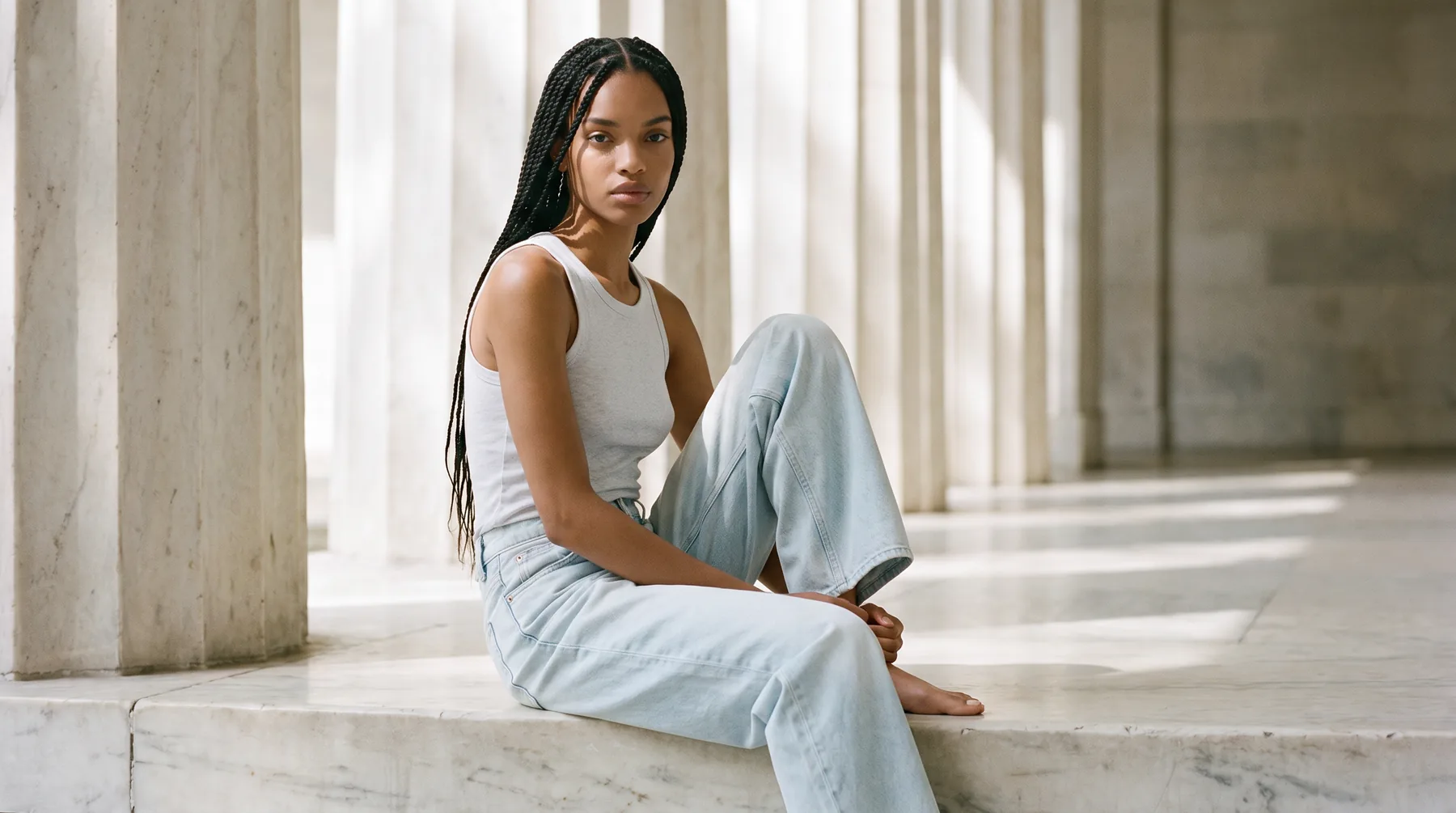
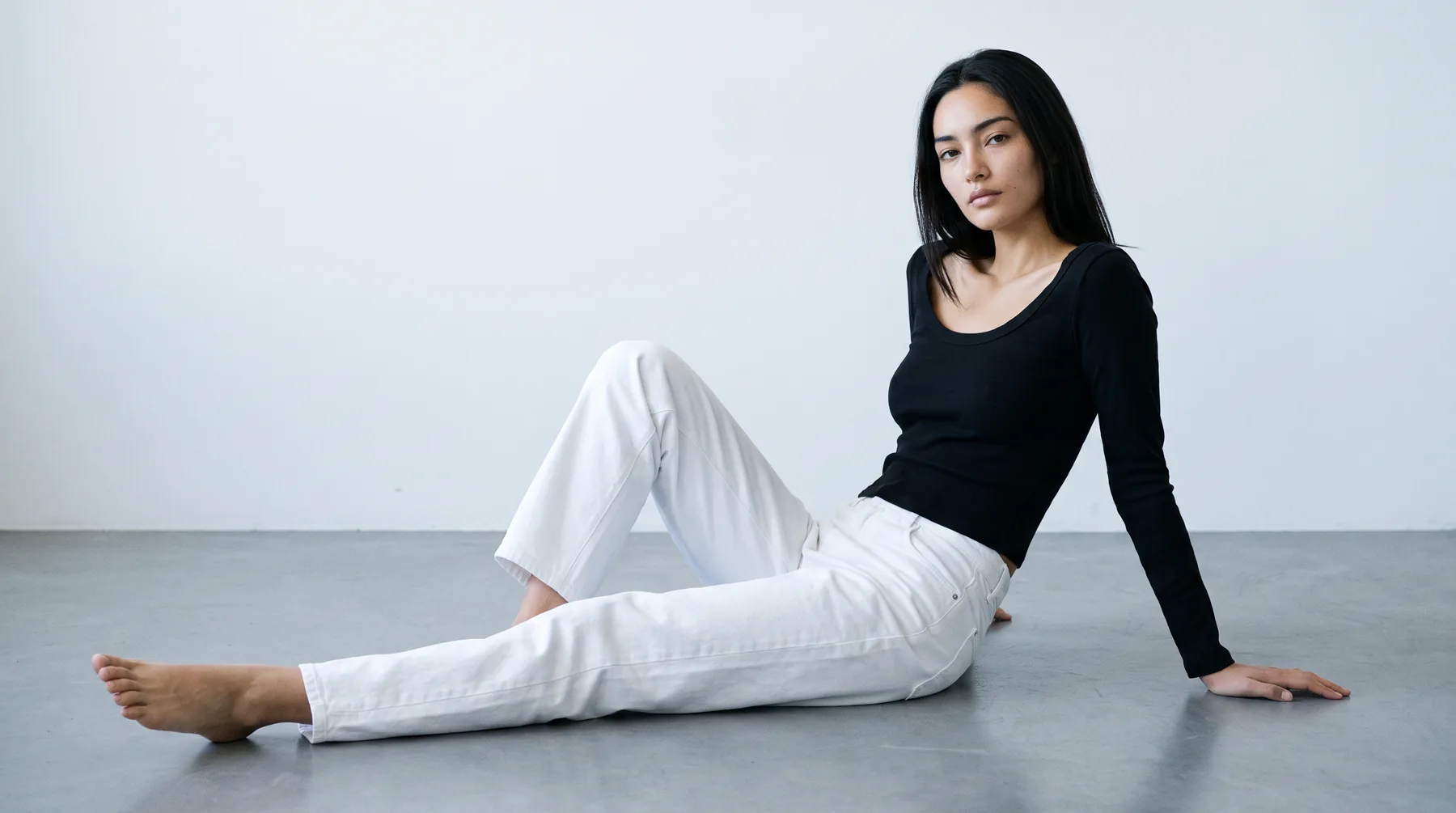
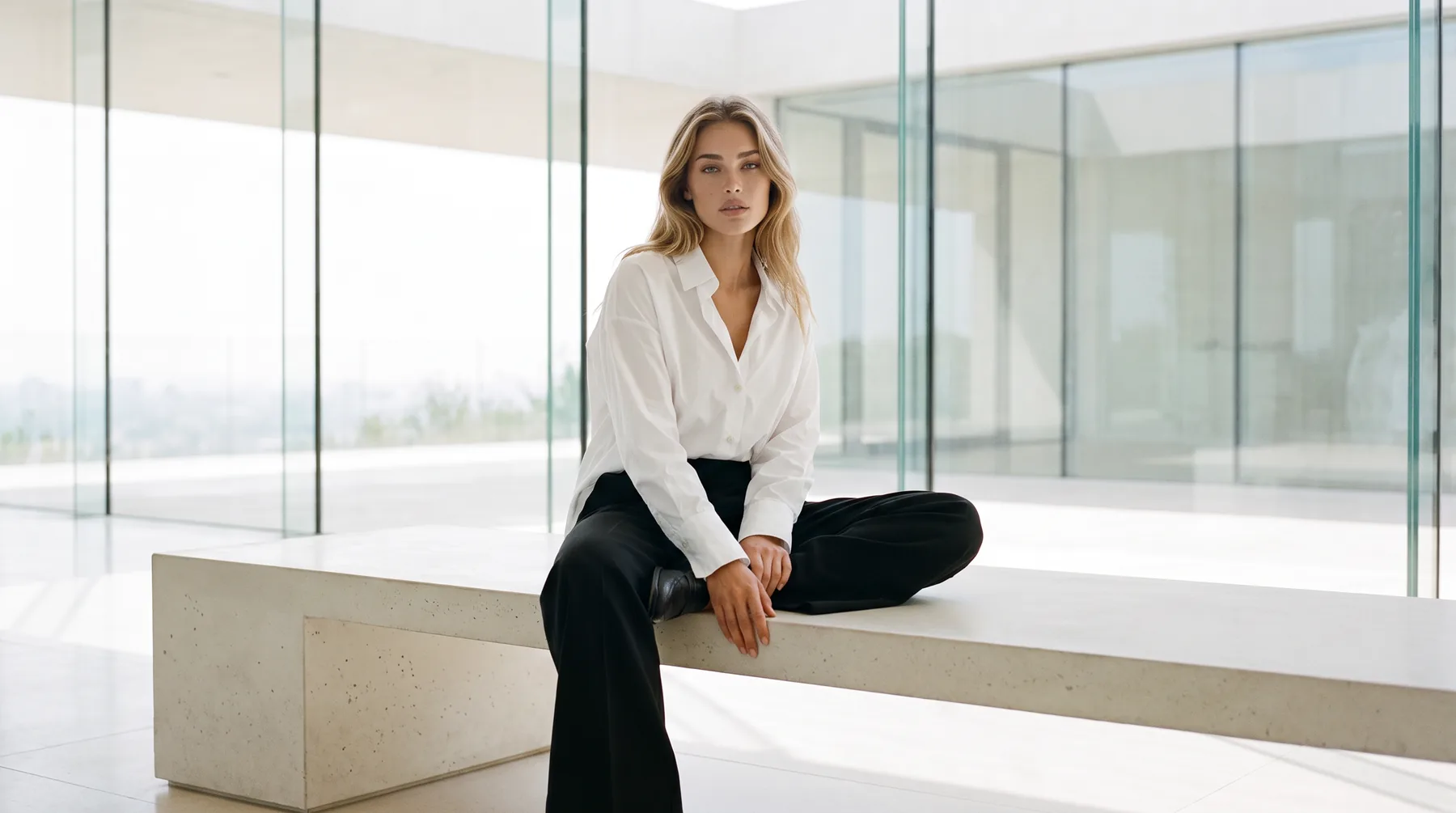
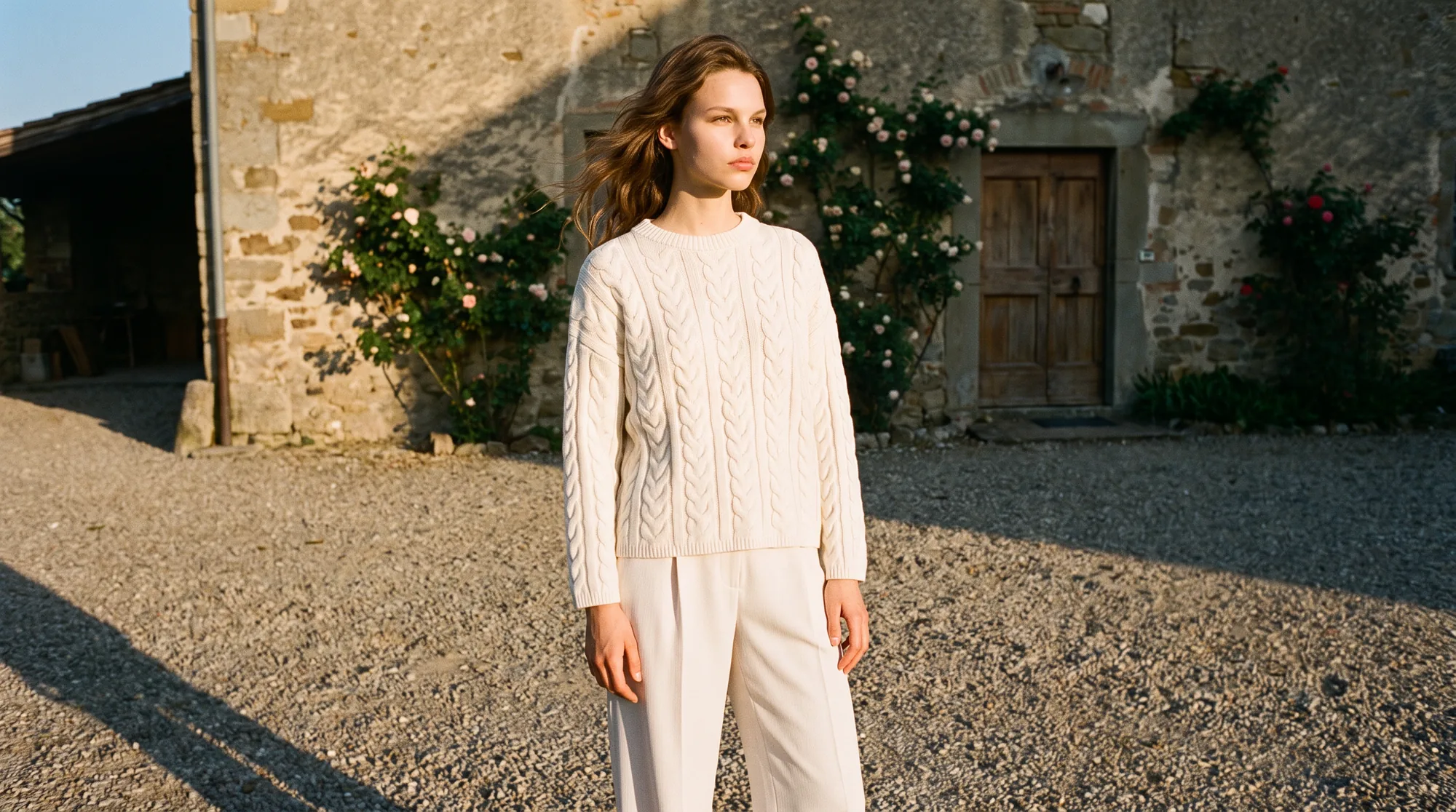
An AI model photoshoot is the same output produced differently: a brand supplies photographs of the garments it already has, and the models, poses and settings are generated rather than booked. Nothing is scheduled, so nothing gets cut for time.
What follows is how that actually runs, and where it does not apply.
The cost that never appears on the invoice
Studio day rates are the visible number, and they are rarely the expensive part.
The expensive part is the styles that never got photographed. Every range has a tail that ships with a flat lay or a mannequin shot because the shoot ran out of hours, and that tail underperforms for the entire season.
The returns side carries a similar hidden cost. The National Retail Federation put total US retail returns at $890 billion in 2024, and found that 76% of consumers treat free returns as a factor in where they shop.
Imagery sits directly upstream of that. A shopper who cannot judge a garment properly either does not buy, or buys and sends it back.
How the process actually works
The brand supplies the garment photograph. A flat lay, a packshot or a ghost mannequin frame, shot square with the full piece in view.
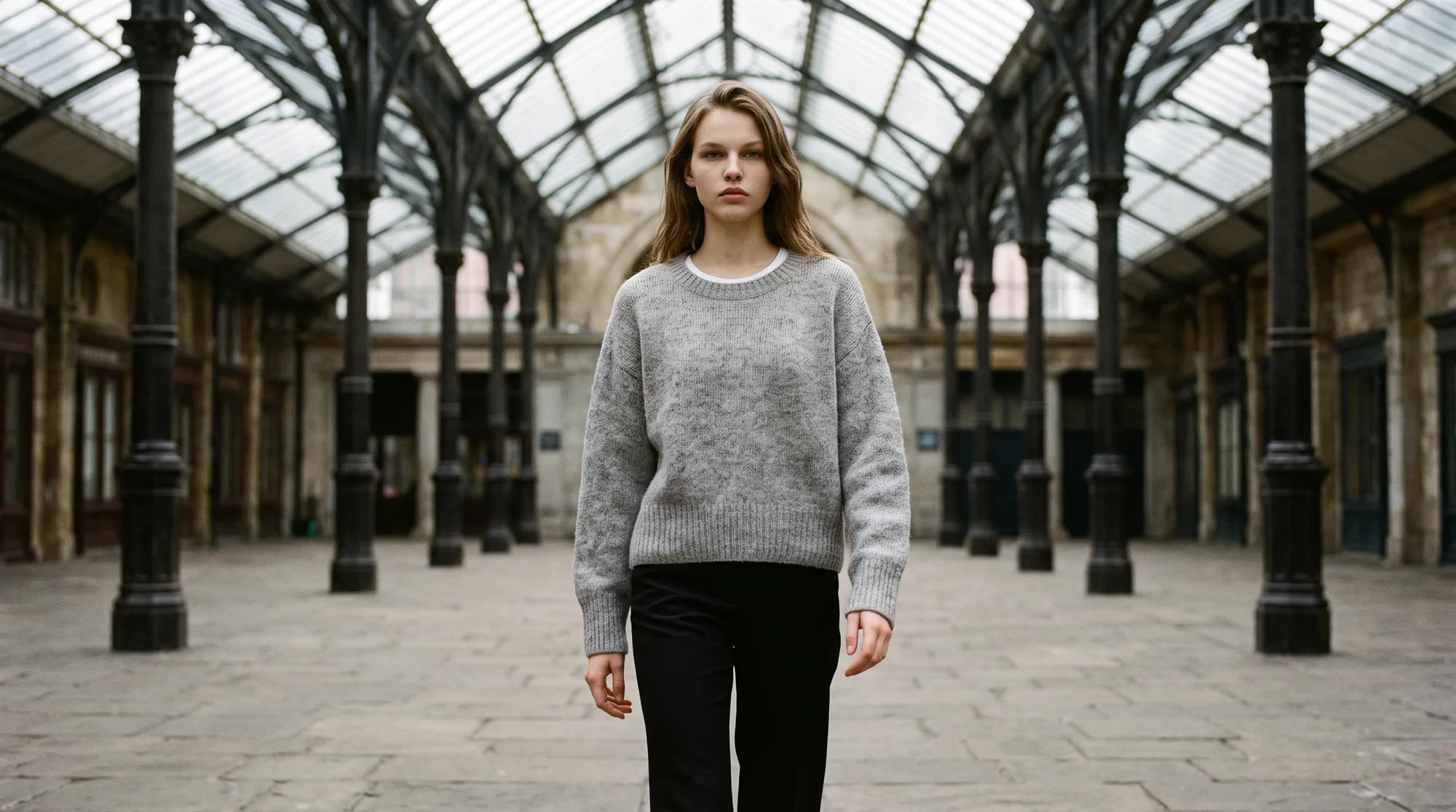
Casting, pose and setting are then chosen rather than booked. The same garment can be produced on several models without re-shooting anything, which is the part that changes the economics.
Output comes back sized and colour-corrected for a product page. The realistic turnaround is minutes per image, so the constraint moves from studio availability to how quickly a team can review.
That last point matters more than the speed claim. Production stops being the bottleneck and approval becomes it, which is a much better problem to own.
Deciding what a shoot is actually for
1. Product detail page imagery
The job is to represent a specific garment accurately to someone deciding whether to buy. Fidelity outranks flair, and this is the highest volume need in any catalogue.
2. Catalogue coverage
Every style getting the same treatment, not just the twenty the shoot had time for. This is where the missing revenue usually is.
3. Casting variation
The same piece shown on different body types and ages, which a live shoot can only do by booking more people and more hours.
4. Seasonal refresh
Re-producing existing styles against a new setting or a new casting without shipping samples anywhere.
5. Marketplace and channel variants
Different crops, ratios and background rules per channel, generated from one approved source rather than re-edited by hand.
6. Campaign and brand film
This is the one that stays with a real crew. A campaign is an act of art direction, and the value is in the intent rather than the reproduction.
What a batch review should look for
The quality question is settled in review, not in the brief, and most teams review far too fast.
Look at output at full size on a real product page layout. Thumbnail grids hide exactly the defects that cost you a return, and a contact sheet is a locator rather than a verdict.
Check the garment first: print scale, seam placement, hardware and the hem. Then check anatomy, because generative output fails in predictable places. Feet and shoes are the highest yield, hands second, and the join between a hem and a leg third.
Then check the set as a set. One good image proves nothing about the hundred after it, and drift only shows when images sit side by side.
There is a technical check too. Image weight is a real conversion factor, and Google's own guidance on optimising largest contentful paint is worth reading before you publish a heavier image than the one you replaced.
Why creative quality still decides the outcome
There is a temptation to treat generated imagery as a purely operational saving, which undersells what it is for.
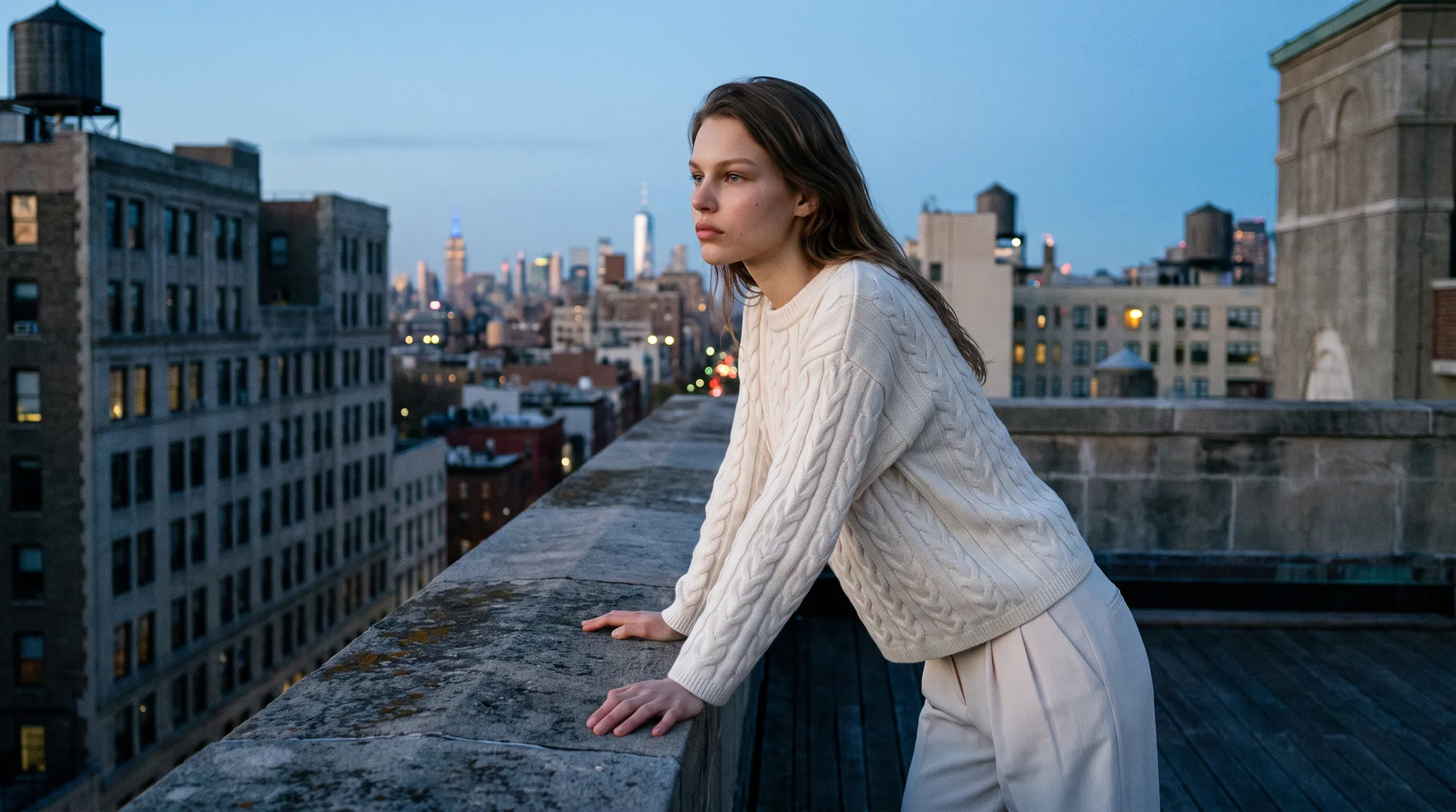
Nielsen's work on advertising effectiveness found that creative is the single largest contributor to sales lift, ahead of reach and targeting. The same logic applies on a product page, where the image is the creative.
So the goal is not cheaper pictures. It is better pictures on more of the range, which is a different objective and a more defensible one.
That is also why the review gate matters. Volume without a quality floor produces a bigger catalogue of worse images, and that is a real risk worth naming.
Getting the first batch right
Pick one category and run it end to end rather than sampling a few styles from across the range. A category tells you about consistency, which is the property that actually matters.
Lead with the difficult garments. A busy print or structured tailoring will expose a weakness in an afternoon that a plain tee will hide for a season.
Agree who signs off before the first batch lands, and give them the full size files. An unclear approval path is the most common reason a pilot stalls.
Botika pairs the generation step with a fashion-trained QA and retouching team that reviews output before delivery, which is what holds the standard when the volume goes up. You can run a first set through on-model production on a free trial with no card.
Common questions about an AI model photoshoot
What is an AI model photoshoot?
It is on-model product imagery produced from photographs a brand already owns, with the model, pose and setting generated rather than booked. No studio, sample shipping or scheduling is involved.
Do I still need samples?
Only to photograph them once, flat or on a mannequin. After that the same source image can be produced on multiple models and settings without the sample moving again.
How many models can I use?
As many as the range needs. Casting variation is the part a live shoot rations by cost, so showing one garment across several body types and ages stops being a budget decision.
Is it suitable for product pages?
That is the primary use. The requirement is that the garment is reproduced accurately, which is why the review step before delivery matters as much as the generation step.
What does it not replace?
Campaign films and brand-level art direction. Those depend on creative intent and a crew, and they are a separate line in the budget for good reason.
How fast is it in practice?
Minutes per image, so the limit becomes your review capacity rather than studio availability. Most teams find approval, not production, is what sets the pace after the first batch.
Where this is heading
The shoot is not disappearing. It is narrowing to the work where a crew genuinely adds something, while the repeatable product page layer moves to a production process.
Brands that separate those two early end up spending their shoot budget on the campaign work that justifies it, and stop spending it on the four hundredth packshot.
If the immediate problem is coverage rather than creative, that is the piece to solve first. Look at flat lay conversion for the existing library, check the model range against your customer, and compare per-image pricing against what a shoot day currently costs you.