AI Dress Generator: On-Model Dress Photography
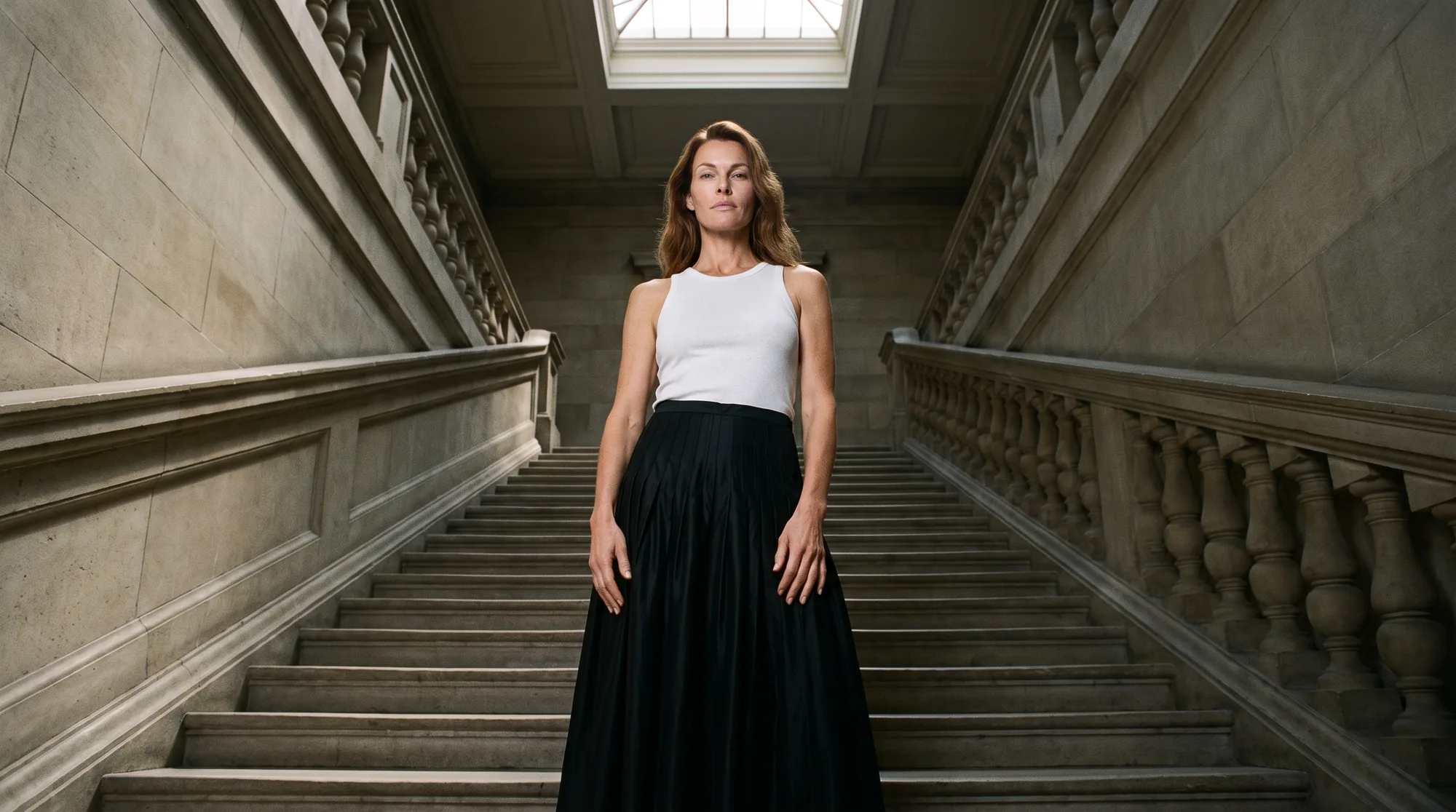
Dresses are the hardest thing in an apparel catalogue to photograph well, and the easiest to get wrong on a product page.
A tee reads accurately flat. A dress does not. Almost everything a shopper needs to know about one, how it falls, where it sits, how the skirt moves, only exists once someone is wearing it.
An AI dress generator, used properly, means producing on-model imagery of a dress you already stock from a photograph you already have. The garment is reproduced rather than invented, and the body that shows its drape is generated.
That distinction matters more for dresses than for any other category, so it is worth being clear about it before anything else.
Reproducing a dress is not the same as generating one
There are two very different things sold under similar names, and confusing them is expensive.
One creates a dress that does not exist, from a description. That is a design and concept tool, genuinely useful for mood and direction, and entirely wrong for a product page.
The other starts from a dress that does exist, in a photograph you own, and shows it worn. Only the second one can sit on a listing, because only the second one is the garment a shopper will actually receive.
The test is simple. If the output would surprise someone opening the parcel, it belongs on a mood board rather than a product page.
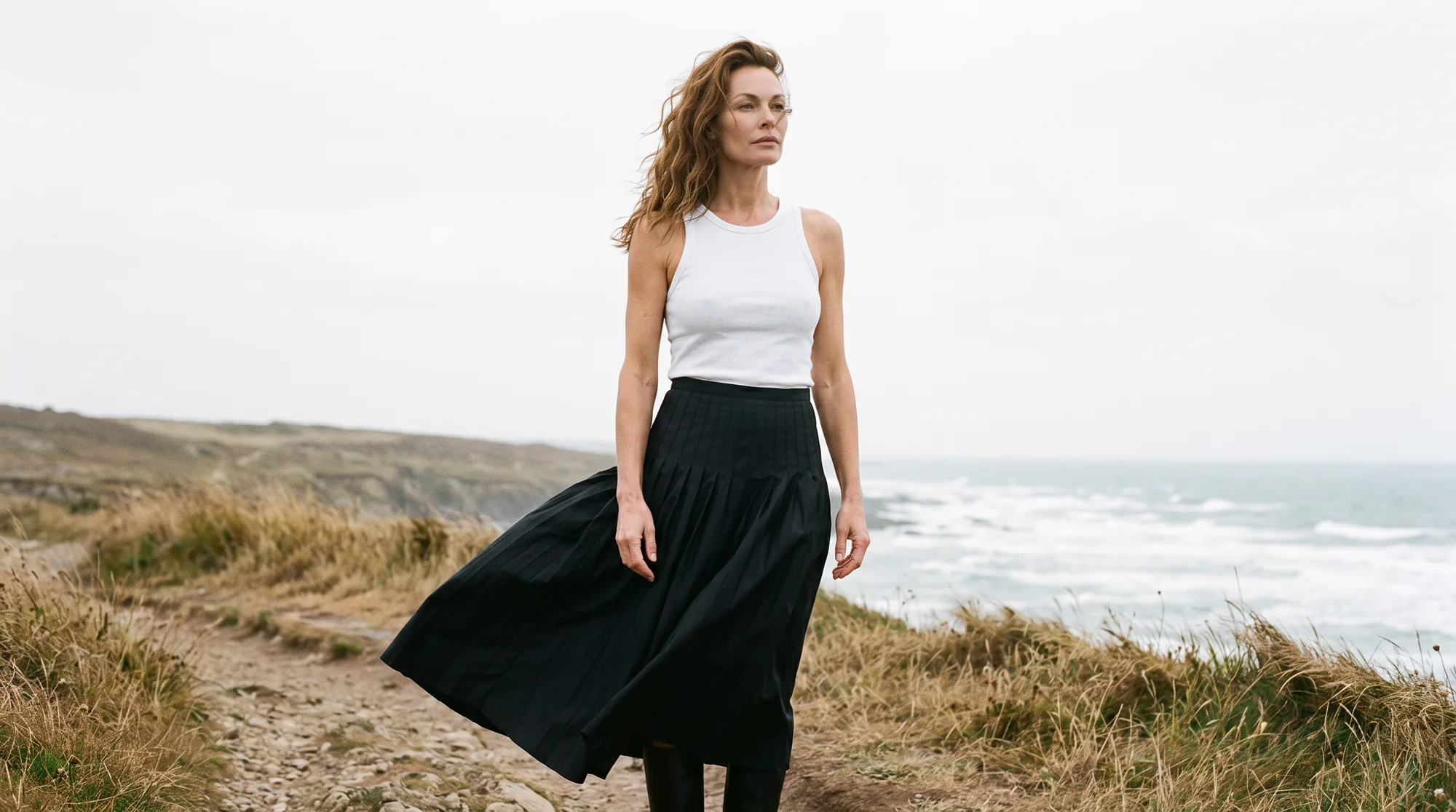
Why dresses punish a bad image more than other categories
The category carries more purchase risk. A dress is usually bought for an occasion, often at a higher price point, and it either works on the body or it does not.
Return rates in apparel run above the ecommerce average for exactly this reason, and fit combined with a mismatch against the listing images are the recurring causes.
Accurate representation is also a regulatory expectation, not just good practice. The European Commission's consumer protection framework, summarised in its consumer protection cooperation pages, is built on the principle that what is shown to a shopper has to reflect what is sold.
So for this category specifically, fidelity is the whole brief.
What a usable dress image has to show
1. Where the waist actually sits
Empire, natural or dropped changes the garment completely. A flat lay implies it. A worn image proves it.
2. True length on a body
Midi and maxi mean nothing without a person for scale, and length is one of the most common reasons a dress comes back.
3. How the skirt falls
Pleats, gathers, bias cut and volume all behave differently in motion. Drape is the property a flat photograph cannot carry at all.
4. The neckline as constructed
A structured collar or a specific strap width has to survive intact, because it is often the reason someone chose the piece.
5. Print scale against the body
A repeat that reads correctly flat can look completely different at body scale, and a drifting repeat is the most visible failure on a patterned dress.
6. Colour that matches the parcel
Occasion dresses are frequently bought to match something else. Colour drift between the listing and the garment is a guaranteed return.
Getting the source photograph right
The quality of a converted dress image is decided before any conversion happens.
Shoot the dress on a mannequin if you can. Dresses benefit more than any other category from a three dimensional source, because the drape and the waist position are resolved in the original rather than inferred later.
If it has to be flat, lay the full length in frame with the skirt arranged as it would hang, not fanned for composition. A fanned skirt produces a fanned result, which is worth knowing before you run a flat lay conversion across a whole drop.
Light it evenly and avoid hard shadows across a print or a pleat. Both read as texture and both confuse the pattern.
Keep the original file large and compress once at the end. The MDN reference for the image element covers how to serve appropriately sized files on the page itself, which is a separate step from the quality you start with.
Running it across an occasionwear range
Dress ranges are usually where the coverage gap is widest, because they are the most expensive styles to shoot properly and the most numerous in a seasonal drop.
The sensible first project is one drop, produced end to end. That gives you a set to judge consistency on, which is the property that matters when a customer views four dresses side by side in a category grid.
Show the same dress on more than one body where the range warrants it. Occasionwear is bought across a wider spread of body types than most categories, and the industry is large enough that the tail is real, as fashion industry statistics consistently show.
Then check the output the way a customer will: full size, on the page, next to the other dresses in the grid. Botika runs this through a single pipeline with a fashion-trained QA and retouching team reviewing before delivery, which is what holds a drop together as one set. You can produce a first batch through on-model production on a free trial with no card.
Common questions about AI dress generators
What is an AI dress generator?
Used for ecommerce, it means producing on-model imagery of a dress you already stock from a photograph you already own. The dress is reproduced rather than invented, and the model showing its drape is generated.
Can it create a dress design from a description?
Some tools can, but that is a concept exercise rather than a product page one. If the dress in the image is not the dress in the box, it cannot sit on a listing.
Will the drape look real?
That depends heavily on the source. A mannequin photograph resolves the drape in advance and converts far better than a flat lay, which is why dresses are worth shooting on a form where possible.
Does it handle prints and pleats?
It should, and those are the two things to check first at full size. Print scale drifting and pleats flattening are the specific failures worth looking for before you publish.
Can I show the same dress on different body types?
Yes. Casting is selected rather than booked, so showing one dress across several body types costs the same as showing it once, which is not true of a live shoot.
What source photo works best for a dress?
A mannequin or ghost mannequin shot of the full length, square to camera and evenly lit. A flat lay works if the skirt is arranged as it hangs rather than fanned out for composition.
Where this is heading
Dresses are likely to be the category where accurate generated imagery proves itself first, because the gap between a flat photograph and the real garment is widest here and the return cost of getting it wrong is highest.
The brands that treat it as a fidelity problem rather than a volume one will end up with both, since accuracy is what makes the volume safe to publish.
If occasionwear is where your coverage gap sits, that is the drop to start with. Ghost mannequin conversion suits most dress libraries, and the model range is worth checking against your customer before you produce anything.