AI ad creative for fashion brands: How to make ads with AI
Fashion brands do not run one ad anymore. A single launch needs static images for paid social, a few video cuts, several variations to test, and fresh creative every week as the last batch fatigues. The bottleneck is rarely the media budget. It is producing enough on-brand creative to feed it.
That is the job AI ad creative has quietly taken over. You start from a product image you already have, a flat lay or a packshot, and generate on-model stills and short video built for ads, without a shoot, a studio, or a new production each time.
AI ad creative for fashion means using AI to turn your existing product photos into ready-to-run ad assets, on-model images and motion, that hold the real garment and your brand look, at the volume paid channels demand.
This piece covers what it can produce, where it helps most, and how to keep the output on-brand enough to actually run.
Why fashion brands are moving ad creative to AI
Paid social rewards volume and freshness. Testing more creative finds winners faster, and creative fatigue means even a strong ad needs replacing within weeks. Traditional production cannot keep that pace without a large budget behind it.
The image is also doing the selling. Study after study finds creative is the single biggest driver of a brand's sales lift from advertising, ahead of targeting or spend, and for clothing, high-quality product images rank as the feature fashion shoppers care about most. An ad runs on the same logic: the on-model shot is what stops the scroll.
AI changes the math. Once a single product photo can become a batch of on-model ad variations in minutes, the constraint moves from production capacity to which ideas you actually want to test.
There is a strategic shift underneath the efficiency. When creative is no longer scarce, the strongest brands stop protecting a few hero assets and start treating creative as something to generate, test, and replace continuously, which is how paid performance actually compounds.
What AI can produce for a fashion ad
The output covers most of what a paid campaign needs, all from one product input.
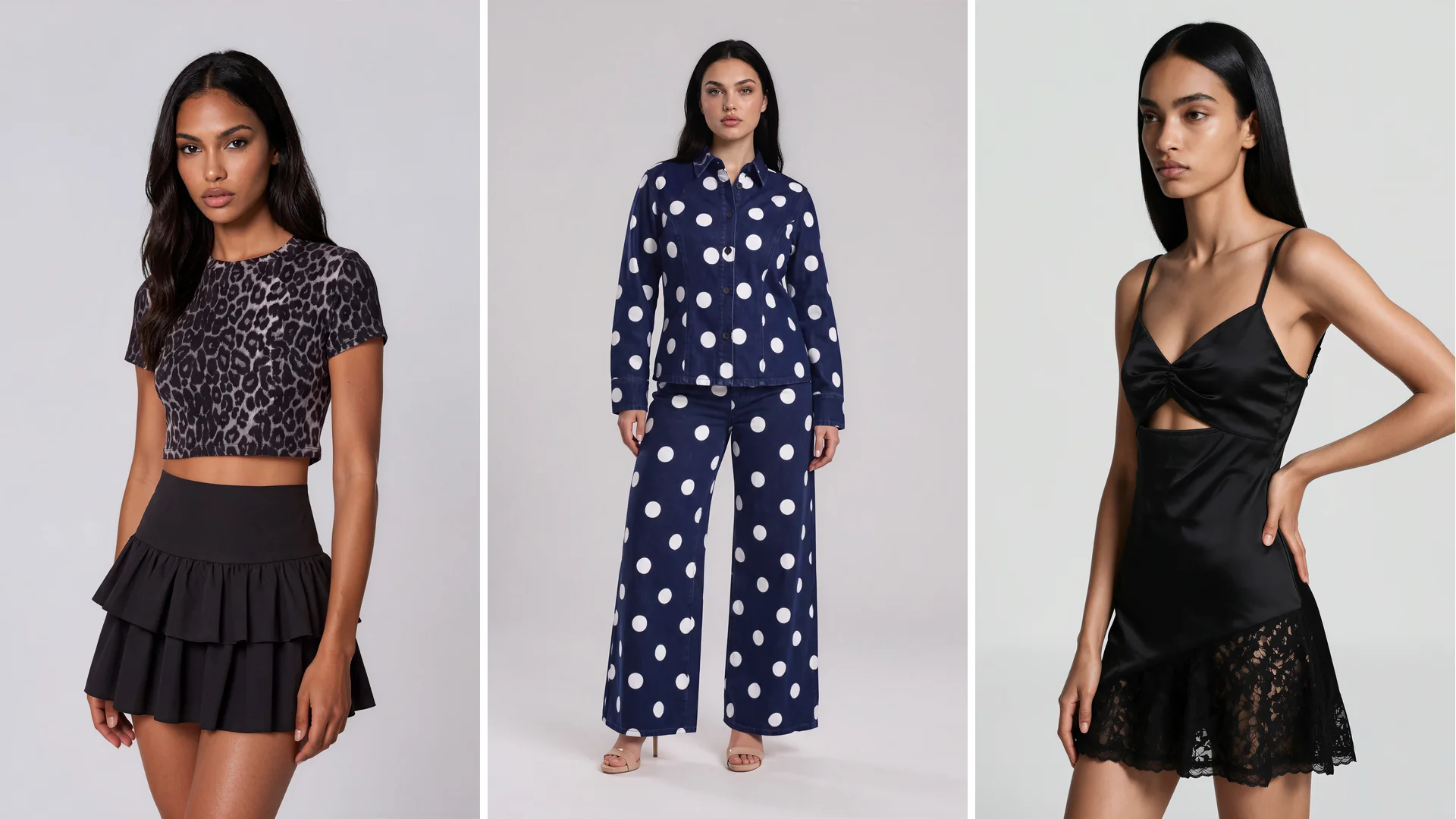
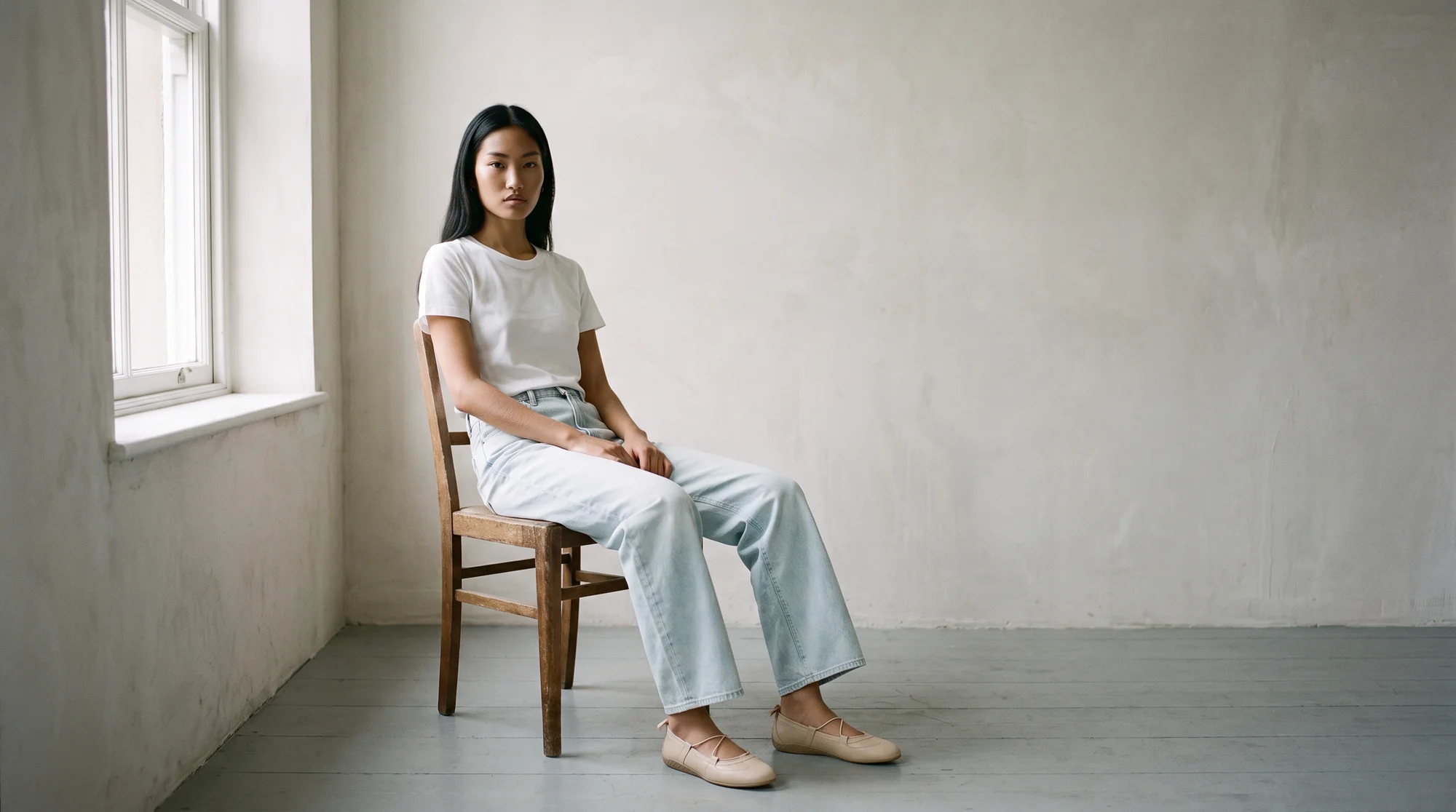
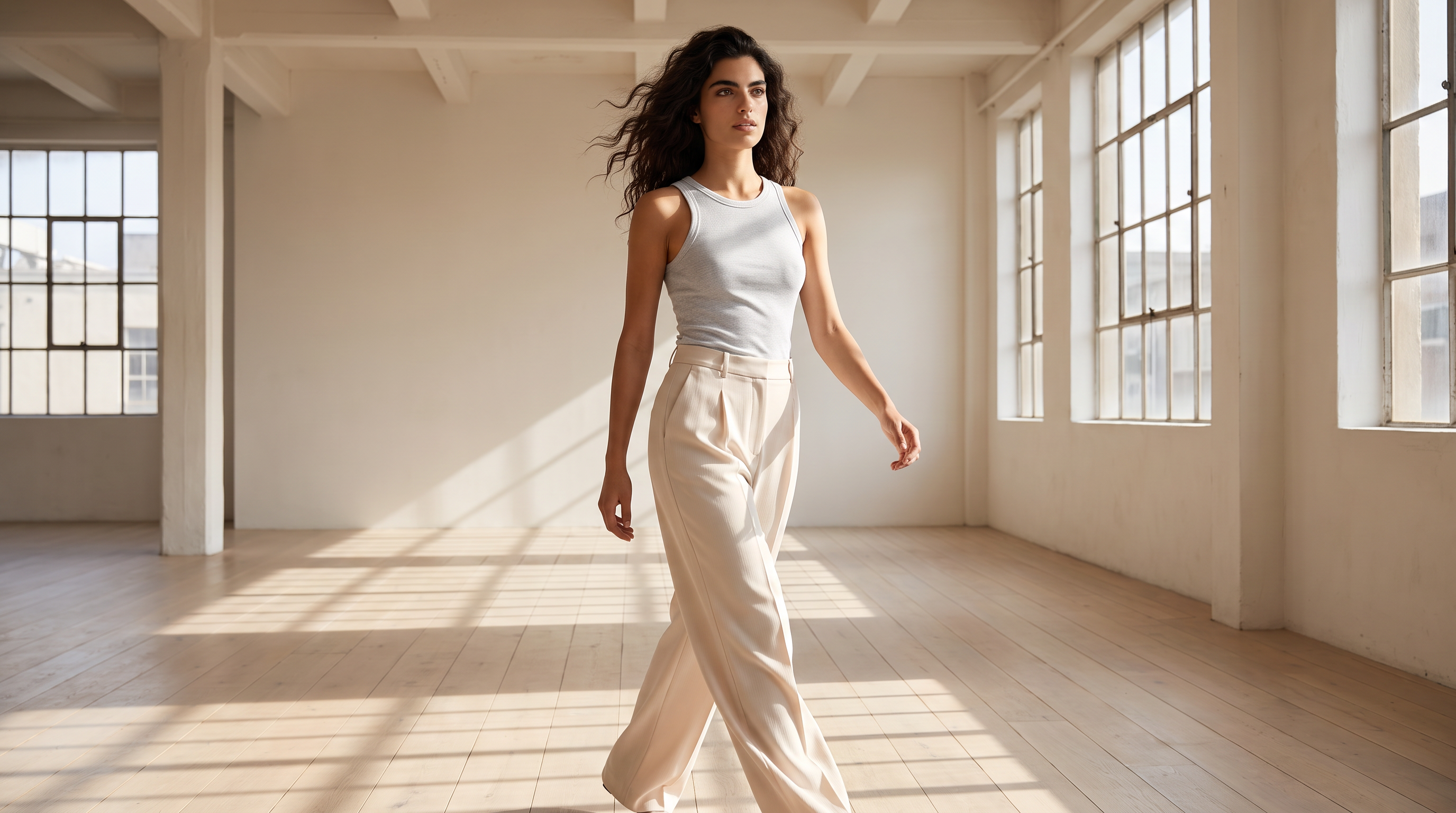
On-model stills come first. Feed in a flat lay or a ghost mannequin shot and get a finished on-model image of that garment, worn by a model you choose, in the aspect ratios each placement wants.
Motion follows. A flat product photo can become a short product video for a feed or a story slot, the kind of clip that used to require its own shoot day.
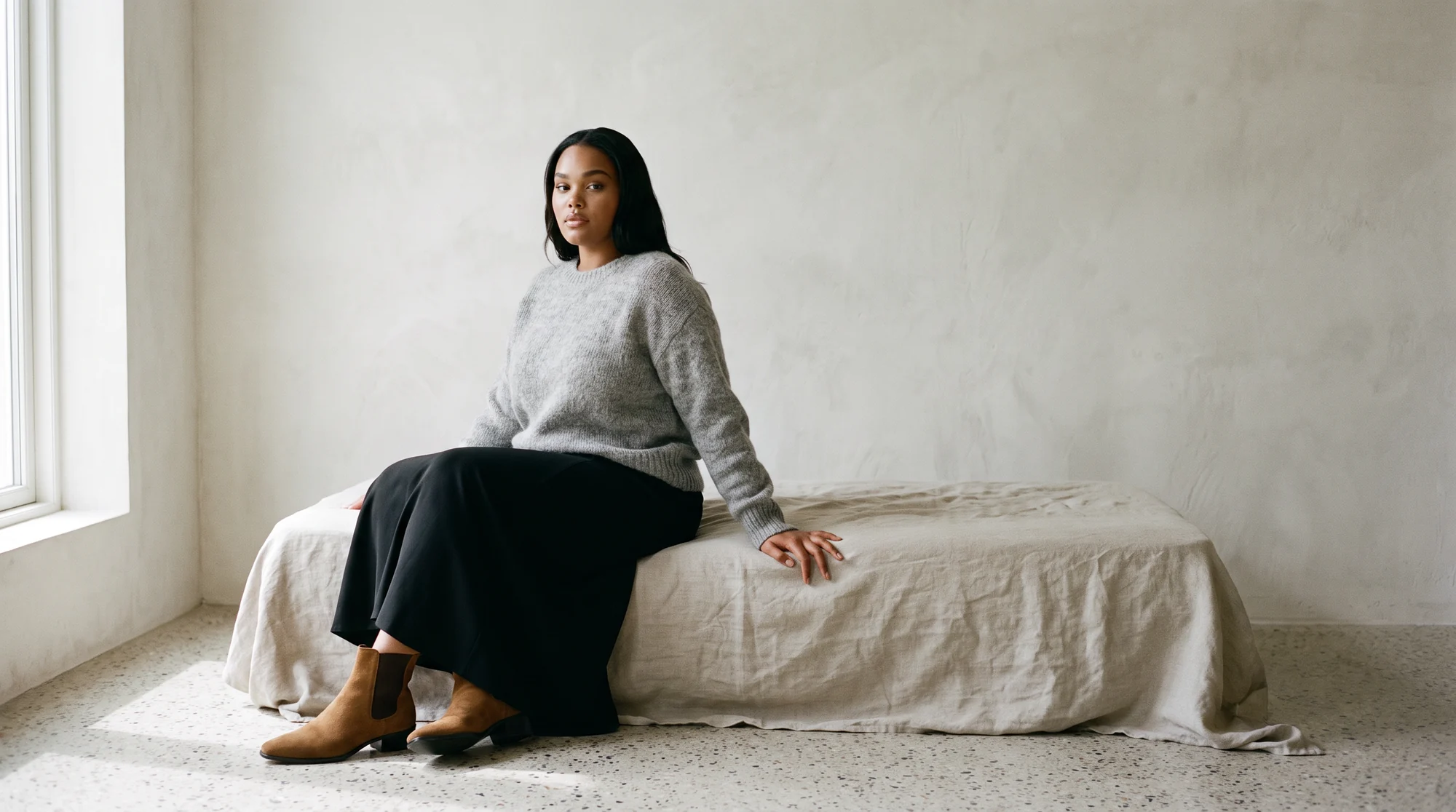
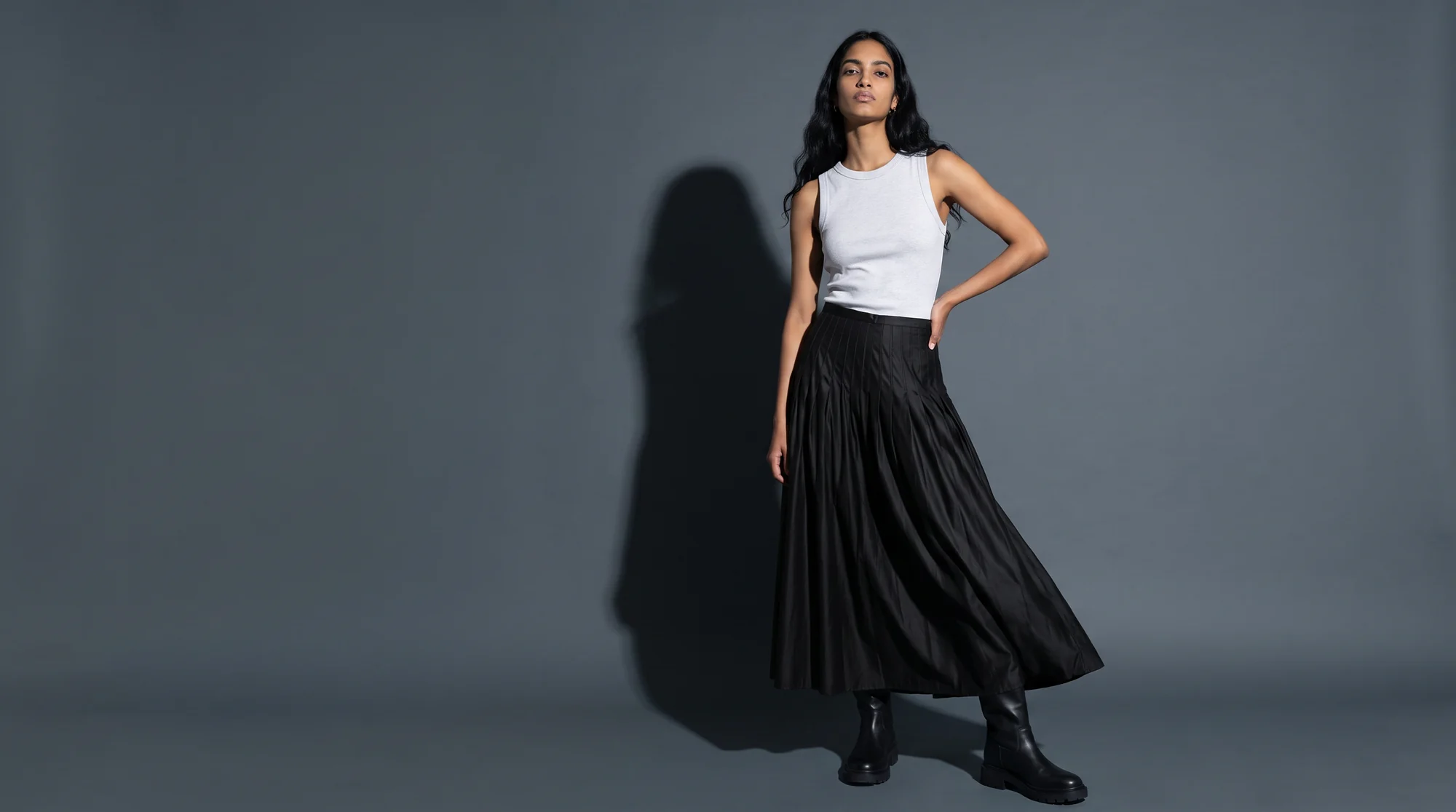
Then variation. The same product runs across different models, poses, and backgrounds, so you can test which version converts instead of betting everything on one hero image.
Put together, a brand can take one flat lay and walk away with a static set, a video cut, and several test variants, the full input a paid campaign needs to launch and iterate.
The same input also travels across formats. One product image can feed a square feed ad, a vertical story, and a wide banner, each in the ratio it needs, so nobody is re-shooting the same product for every placement.
The business case, in order
1. Consistent, on-brand creative
The first thing that matters is that every asset looks like your brand. AI trained for fashion holds the garment's fabric, print, drape, and fit, and keeps a steady look across a whole campaign, so a test set reads as one brand rather than a dozen mismatched shoots.
2. Volume for testing
Paid performance comes from testing, and testing needs creative to burn. When each variation is fast to produce, you can run five against each other instead of one, and let the data pick the winner rather than a hunch.
3. Freshness without a new shoot
Creative fatigue is constant on paid social. Generating new angles, models, and cuts on demand keeps the account supplied without booking a production every few weeks.
4. Diversity built in
Running a product on models who reflect your audience used to mean more casting and more budget. Now a single garment can appear on several model types for no extra shoot, which is better representation and a head start when you expand into a new market.
5. Cost that scales down, not up
Traditional creative gets more expensive with every variation. AI swaps most of that for a self-serve workflow, so cost stops rising with volume. Cuts of up to 90 percent in content production cost are on record, without the output getting worse.
How to keep the output ad-ready
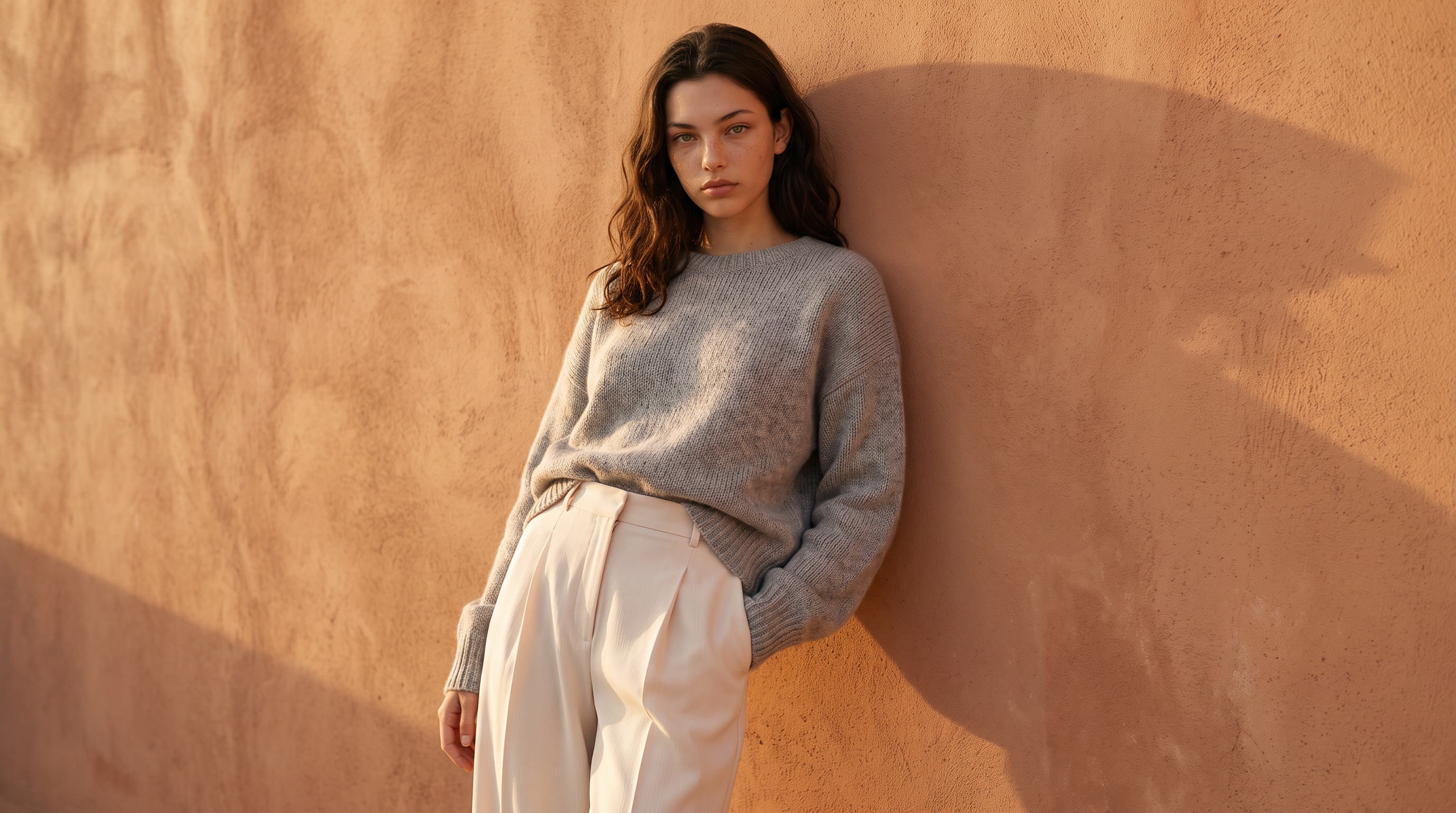
Start with good inputs. A clean flat lay or mannequin shot of the actual garment gives the AI something accurate to work from, and the ad reads better for it.
Watch quality closely, because it is where tools separate. Ad creative goes out to a paid audience at scale, so the output has to hold fabric, print, and fit every time, not just in the cherry-picked example. Botika pairs its AI with a dedicated QA and retouching team that checks the output, so what you run has been reviewed by a human before it spends a dollar.
Then test like you mean it. Put several AI variations against each other, keep the winners, and refresh on a schedule. The cheap, fast production is exactly what makes real testing affordable.
The teams that win here treat creative as a system rather than a project: a steady pipeline of on-brand assets flowing in, structured testing in the middle, and only the proven winners reaching real spend. AI is what makes the front of that pipeline cheap enough to run continuously.
Common questions about AI ad creative for fashion
What is AI ad creative for fashion?
It is using AI to turn product photos you already have into ready-to-run ad assets, on-model images and short video, that keep the real garment and your brand look, produced at the volume paid channels need.
Can AI make ads from my own product photos?
Yes. A fashion-specific tool takes a flat lay or ghost mannequin image of your actual garment and generates on-model stills and motion of that same piece, with no shoot required.
Is AI ad creative good enough to run on paid social?
It is, when the tool is built for fashion and a human reviews the output. Brands running AI imagery on live pages report conversion numbers that hold up against traditional photography.
Does it do video as well as static images?
Yes. Botika produces short on-model and product video alongside stills, so a single product can feed both static and motion placements.
How many variations can I make?
As many as you want to test. The point of AI creative is that variations are cheap and fast, so you can run several against each other instead of committing to a single guess.
How much does it cut ad production costs?
It depends on volume, but cuts of up to 90 percent are on record, because you drop the shoot, the studio rental, the crew, and most of the retouching.
Where this is heading
Paid channels will keep demanding more creative, more often, and search is shifting too. More discovery now happens inside AI-powered search and overviews, where clear, consistent imagery is part of what gets a brand surfaced. Either way, the winners are the brands that can produce on-brand assets at pace without a production line, and let testing, not budget, decide what runs.
If you want to see it on your own products, look at how Botika builds on-model imagery from photos you already have, or start a free trial and generate a test set from one product.